


Listen to the article
Hawaiian Forest Birds Under Threat as Study Reveals Widespread Avian Malaria Transmission
Almost every forest bird species in Hawaii is capable of spreading avian malaria, according to a comprehensive new study published in Nature Communications. The research provides crucial insight into why the disease is so prevalent across the Hawaiian Islands wherever mosquitoes are found, posing an escalating threat to the archipelago’s unique bird populations.
Scientists from the University of Hawaii at Mānoa and the University of California analyzed blood samples from more than 4,000 birds across 64 sites throughout the state. Their extensive fieldwork spanned the islands of Kauai, Oahu, Maui, and Hawaii Island, creating one of the most comprehensive surveys of avian disease transmission in the region.
To determine how effectively the disease spreads, the research team conducted controlled feeding trials, allowing mosquitoes to feed on infected birds and then tracking whether those insects could transmit the disease at various temperatures. The results were alarming.
“Avian malaria has taken a devastating toll on Hawaii’s native forest birds, and this study shows why the disease has been so difficult to contain,” explained Christa M. Seidl, who conducted the research as part of her PhD at the University of California, Santa Cruz.
The study revealed that both native Hawaiian birds and introduced species can infect mosquitoes when bitten. Even more concerning, birds with only small amounts of the parasites in their bloodstream can carry the disease for months or years, creating a persistent reservoir for transmission.
Unlike many ecosystems where diseases circulate within a limited number of animal species, avian malaria in Hawaii appears to spread broadly across numerous bird species, creating a complex web of transmission that is particularly difficult to disrupt.
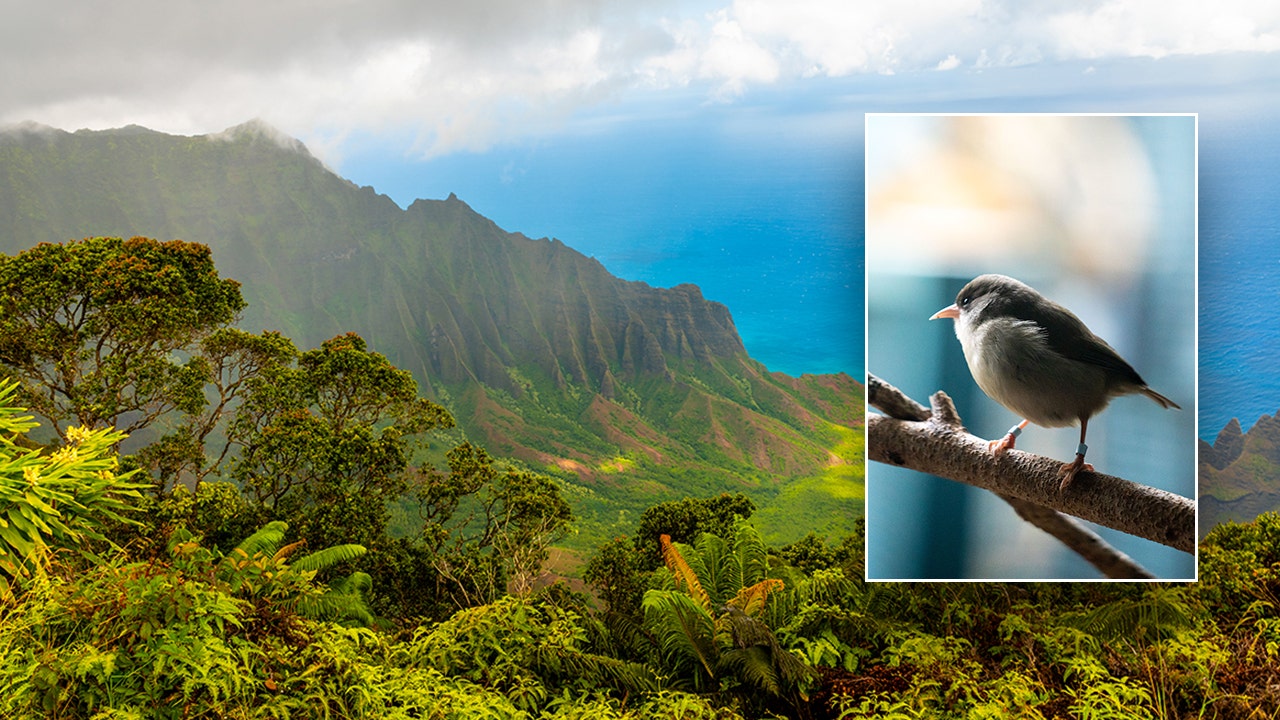
Mosquitoes themselves are not native to Hawaii but were introduced to the islands. According to the National Park Service, these non-native insects have dramatically increased the risk of extinction for many Hawaiian forest birds. The ʻakikiki, a Hawaiian bird native to Kauai, is now considered extinct in the wild due largely to the impact of this disease.
The situation presents a significant conservation challenge. “When so many bird species can quietly sustain transmission, it narrows the options for protecting native birds and makes mosquito control not just helpful, but essential,” Seidl noted in the study’s press release.
While avian malaria belongs to the same family of protozoa that causes malaria in humans, the National Audubon Society confirms that bird-specific strains cannot be transmitted to people. However, the disease’s impact on bird populations extends beyond immediate mortality.
Even when avian malaria isn’t fatal, it can shorten birds’ telomeres — elements of DNA that influence lifespan. More troubling still, this altered DNA can be passed to offspring, potentially creating generations of birds with reduced lifespans, further endangering already vulnerable populations.
Hawaii’s unique ecosystem makes it particularly susceptible to such introduced diseases. The islands’ geographical isolation led to the evolution of bird species found nowhere else on Earth, many of which lack natural immunity to mainland diseases like avian malaria.
The researchers acknowledged several limitations to their study. They primarily used lab-controlled canaries to determine transmission for different parasite levels, which may not perfectly represent every wild bird species. They also faced technical challenges in measuring exactly how much malaria-carrying saliva a mosquito produces at various temperatures, though their models largely accounted for this variable.
As Hawaii continues to grapple with multiple ecological threats, including climate change and habitat loss, this research underscores the critical importance of mosquito control efforts to protect the islands’ remaining native bird populations. Without intervention, the distinctive birdsong of Hawaiian forests may continue to diminish, representing an irreplaceable loss to the state’s biodiversity and cultural heritage.
Fact Checker
Verify the accuracy of this article using The Disinformation Commission analysis and real-time sources.

8 Comments
This is a concerning development for a popular tourist destination like Hawaii. Avian malaria poses a significant threat to the island’s iconic forest birds, which are already under pressure from habitat loss and other factors. I wonder if the tourism industry is taking any measures to educate visitors about the issue and promote responsible practices to limit the spread of the disease.
That’s a good point. Raising awareness among tourists and promoting responsible behavior could be an important part of the solution. Collaborative efforts between conservation groups, the tourism industry, and local communities will be crucial.
It’s troubling to see how widespread avian malaria has become in Hawaii. The findings that almost every forest bird species can spread the disease are quite sobering. I wonder what steps the authorities and conservation groups are taking to address this escalating threat.
Agreed, this is a serious issue that requires a multi-pronged approach. Controlling mosquito populations and implementing robust monitoring and early warning systems could be crucial first steps.
The findings that almost every forest bird species in Hawaii is capable of spreading avian malaria are truly alarming. This highlights the scale of the challenge facing conservation efforts in the region. I hope the research leads to effective strategies to protect these vulnerable bird populations from the devastating impacts of this disease.
The impact of avian malaria on Hawaii’s native bird populations is clearly devastating. This comprehensive study provides valuable insights into the dynamics of disease transmission, which will be critical for informing conservation efforts. I hope the research leads to effective interventions to protect these unique species.
This is a concerning development for Hawaii’s unique bird populations. Avian malaria poses a serious threat to native forest birds, and the high transmission rates documented in this study are alarming. I hope conservation efforts can find ways to mitigate the spread of this disease.
Yes, the high transmission rates across multiple islands are very worrying. Protecting Hawaii’s endemic bird species from this disease should be a top priority.