


Listen to the article
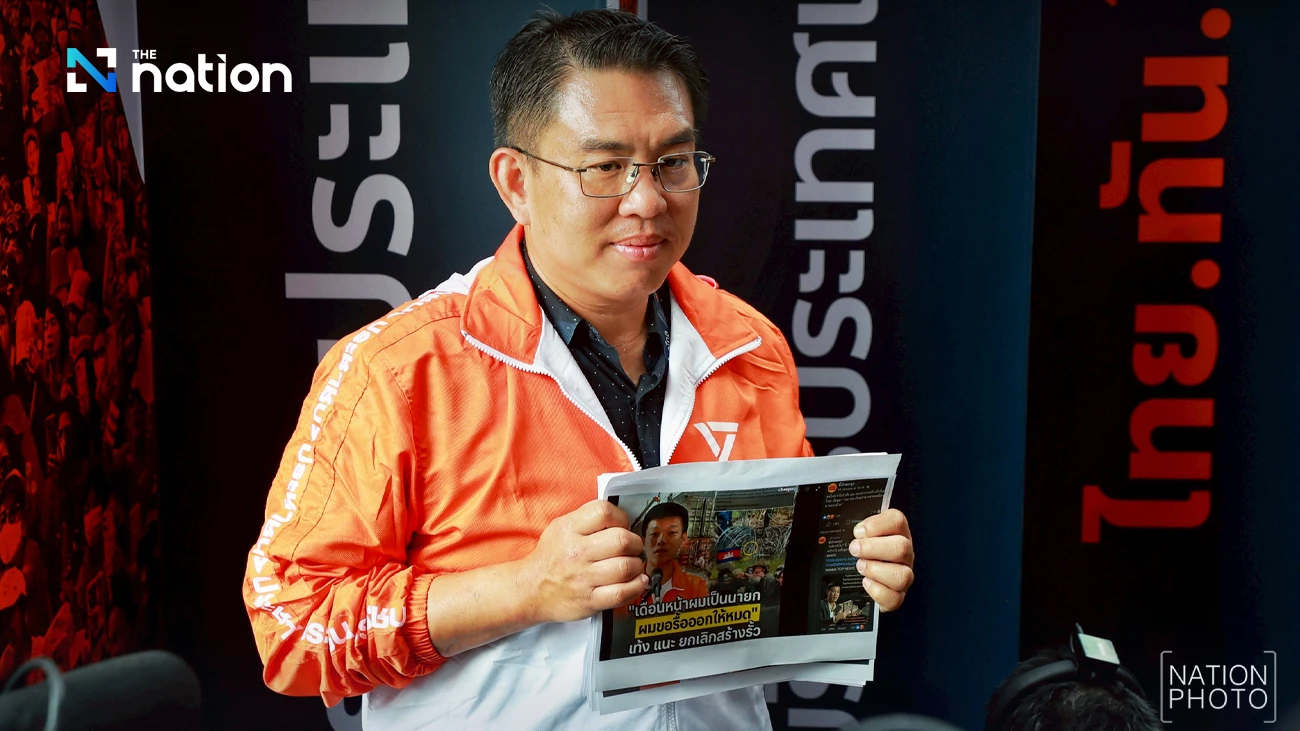
In the wake of recent legal issues involving several of its candidates, People’s Party spokesperson Wiroj has defended the organization’s vetting process while acknowledging the challenges of building an inclusive political movement.
The controversy erupted after at least one People’s Party candidate was arrested and prosecuted, with reports indicating more cases may be forthcoming. The incidents have raised questions about the party’s screening procedures and its ability to properly vet those representing its platform.
Addressing these concerns, Wiroj explained that the party employs a multi-layered screening process that includes criminal background checks and credit bureau verifications. According to him, candidates are only selected if they have no outstanding arrest warrants and no final convictions in serious criminal cases.
“The legal actions or arrest warrants involving our candidates occurred after the candidate registration process had already closed,” Wiroj stated, emphasizing that those now facing charges had no prior convictions or court rulings against them at the time of registration.
The spokesperson acknowledged that some candidates now embroiled in legal troubles had been the subject of previous complaints. However, he insisted these allegations were not ignored by the party leadership. According to Wiroj, the party maintains formal review mechanisms through its adjudication and disciplinary committees, which investigate claims and allow accused individuals to provide explanations.
“If no concrete evidence emerges, or if the person can provide a reasonable explanation, the party cannot rely solely on allegations or tips to judge a candidate in advance,” he said, defending the party’s commitment to due process.
The People’s Party has positioned itself as a mass-based political movement encouraging broad public participation, which Wiroj admits creates inherent vulnerabilities regarding who joins and works with the organization. While the party has attempted to make its screening and selection processes as rigorous as possible, he conceded that such openness comes with certain shortcomings.
This balancing act between accessibility and accountability reflects broader challenges facing new political movements in Thailand’s evolving political landscape. As parties seek to distinguish themselves from established political forces, they must navigate the complexities of building inclusive organizations while maintaining credibility.
“The People’s Party has never claimed it will never make mistakes,” Wiroj stated candidly. “But we insist that when wrongdoing occurs, we will not protect it, and we will not apply double standards. That is the difference between the politics people want to see and the old-style politics people no longer want.”
His comments highlight the party’s effort to distinguish itself from Thailand’s traditional political establishments, which have frequently been criticized for protecting members accused of wrongdoing.
Wiroj emphasized that the party’s commitment to fighting grey capital, money laundering, and corruption must be genuine and applied universally—including to its own members. He acknowledged this approach might come with political costs but insisted it was necessary for meaningful reform.
“When we receive power from the people, no one will have privileges above the law—not even members of the People’s Party,” he concluded.
The controversy comes at a sensitive time for Thailand’s political landscape, as newer parties attempt to build credibility with voters while established political forces work to maintain their influence. How the People’s Party manages this crisis could significantly impact its standing with an electorate increasingly demanding transparency and accountability from its political representatives.
The party now faces the challenge of maintaining its inclusive ethos while strengthening its vetting mechanisms to prevent similar situations in the future—a delicate balance that many emerging political movements throughout the region have struggled to achieve.
Fact Checker
Verify the accuracy of this article using The Disinformation Commission analysis and real-time sources.

8 Comments
Spreading misinformation and fake news is never acceptable, especially when it involves political parties and candidates. I hope Wiroj follows through on legal action against the ‘IO’ networks to protect the integrity of the political process.
Absolutely. Fake news erodes public trust, so decisive action is warranted in this case. Holding those responsible accountable is an important step.
Legal action against those spreading fake news is a necessary step to uphold the integrity of the political process. I’m glad to see Wiroj taking this stance, as misinformation can have far-reaching consequences. It will be interesting to follow how this situation unfolds.
It’s concerning to hear about these legal issues with People’s Party candidates. Proper vetting is essential, but unforeseen challenges can still arise. I’m curious to see how the party responds and what changes they implement to strengthen their candidate selection process.
This is a complex situation that highlights the importance of rigorous candidate vetting. While the party’s screening process may have seemed adequate at the time, the subsequent legal troubles show there’s room for improvement. I hope they take this as an opportunity to re-evaluate and strengthen their procedures.
Agreed. Transparency and accountability will be key as they work to address these issues. It’s important for political parties to maintain high standards to preserve public trust.
This is a concerning situation. It’s important for political parties to thoroughly vet their candidates to ensure they can properly represent the party and its values. The legal issues with some People’s Party candidates raise valid questions about their screening process that need to be addressed transparently.
I agree. Vetting is crucial, but challenges can arise even with diligent processes. It will be interesting to see how the party responds and what steps they take to strengthen candidate selection going forward.