


Listen to the article
Walmart Agrees to $100 Million Settlement Over Driver Compensation Practices
Retail giant Walmart has reached a $100 million settlement with the Federal Trade Commission and 11 states over allegations that it misled delivery drivers about their potential earnings, according to an announcement made Thursday.
The case centers on claims that Walmart deceived drivers in its Spark Delivery network about various aspects of their compensation, including base pay, incentive opportunities, and customer tips. The FTC alleges these practices cost drivers tens of millions of dollars in lost earnings since 2021.
A Walmart spokesperson confirmed to CBS News that the company has already begun issuing payments to affected workers and will “continue to make payments as appropriate.” The retailer did not explicitly admit wrongdoing as part of the settlement.
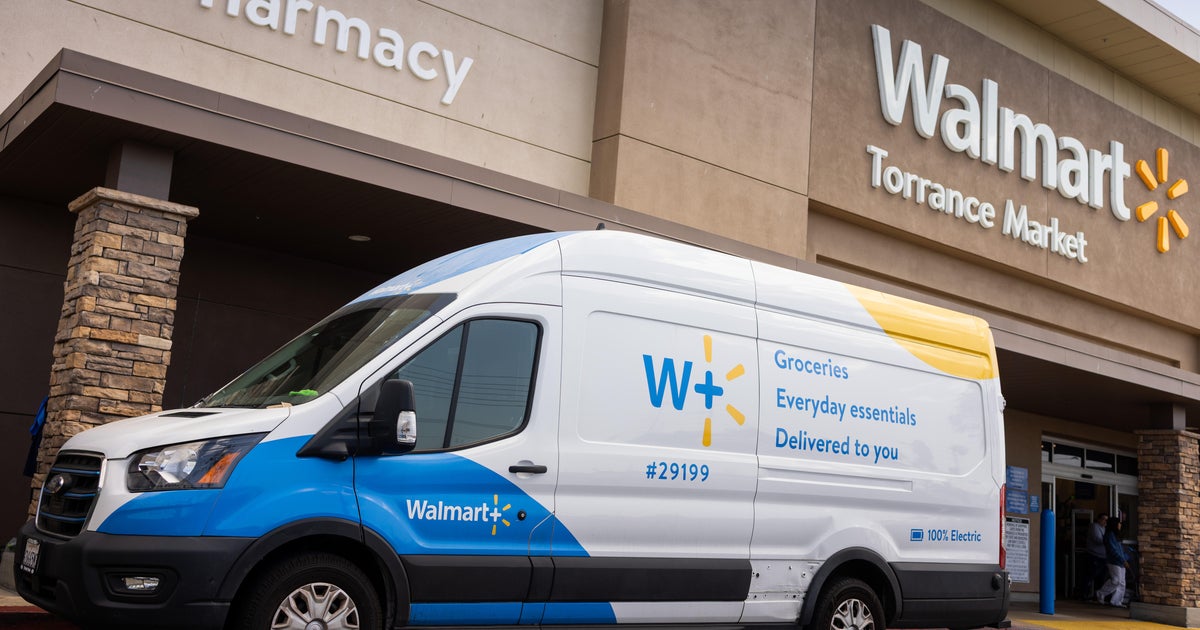
The FTC’s complaint outlines how Walmart’s Spark Program, launched in 2018, operates as a gig economy platform where independent contractors can sign up to make deliveries for Walmart and other participating retailers including Home Depot and 1-800-Flowers. Drivers typically decide whether to accept delivery “offers” based on earnings estimates displayed in the Spark app.
According to regulators, the crux of the deception involved Walmart’s failure to disclose crucial details about how drivers would be compensated. One significant issue involved tip allocation. The FTC alleges that when multiple drivers were assigned to complete portions of a single order, Walmart would display the full customer tip amount to each driver, creating the impression they would receive the entire amount. In reality, the company split the tip among all drivers involved in the order.
“Labor markets cannot function efficiently without truthful and non-misleading information about earnings and other material terms,” said Christopher Mufarrige, Director of the FTC’s Bureau of Consumer Protection, in the agency’s statement.
The case highlights growing regulatory scrutiny of gig economy platforms and how they communicate compensation structures to workers. For Walmart, its delivery network represents a crucial component of its omnichannel strategy as it competes with Amazon and other e-commerce players.
The FTC complaint further alleges that the deception extended to customers as well. According to regulators, Walmart falsely claimed that 100% of customer tips would go directly to drivers, which was not always the case due to the company’s tip distribution practices.
Perhaps most damaging to Walmart’s reputation is the FTC’s assertion that the company was aware of these issues but took no action to address them. The agency contends that Walmart’s practices violated FTC guidelines, federal law, and several state laws.
The $100 million settlement represents one of the larger penalties imposed on a major retailer for labor practices in recent years. The agreement comes at a time when gig economy workers across various platforms have increasingly voiced concerns about transparency in compensation structures.
For Walmart, delivery services have become an increasingly important part of its business strategy as it seeks to leverage its vast network of over 4,700 U.S. stores to compete in the e-commerce space. The company has positioned its ability to quickly deliver groceries and other products from its stores as a key competitive advantage against pure e-commerce players.
The settlement underscores the importance of transparency in the rapidly evolving gig economy landscape, where workers often make decisions based on earnings estimates provided through digital platforms. As regulators continue to examine these business models, companies may face increasing pressure to ensure their compensation disclosures are comprehensive and accurate.
Walmart’s $100 million settlement will provide compensation to affected drivers, though the precise distribution mechanism and individual payment amounts were not immediately disclosed.
Fact Checker
Verify the accuracy of this article using The Disinformation Commission analysis and real-time sources.

14 Comments
A $100 million settlement is no small amount. It suggests the FTC and states felt Walmart’s practices were quite egregious in misleading drivers about their potential earnings. Curious to see if this leads to broader industry reforms.
I’ll be interested to see how Walmart’s response and changes to its Spark Delivery program are received by both drivers and regulators going forward. Rebuilding trust will be crucial.
This is an interesting case regarding driver compensation practices in the gig economy. While the $100 million settlement is significant, it’s important to understand the full details and context behind the allegations to properly assess the situation.
Agreed, it will be worth following how Walmart implements changes to improve transparency and fairness for its delivery drivers going forward.
Walmart’s Spark Delivery program seems to highlight some of the challenges around contractor classification and earnings transparency in the gig economy. This settlement should serve as a wake-up call for companies relying heavily on independent contractors.
You’re right, this is an important issue that goes beyond just Walmart. Regulatory scrutiny of gig economy business models is likely to continue intensifying.
This settlement is a significant development in the ongoing debate around worker classification and protections in the gig economy. It will be worth tracking how it impacts similar business models.
While the $100 million figure is substantial, the real test will be whether Walmart’s changes lead to meaningful improvements in how it treats and compensates its delivery drivers going forward.
Good point. The long-term impact on worker conditions will be crucial to evaluate, not just the headline settlement amount.
It’s encouraging to see regulators taking action to hold a major retailer like Walmart accountable for its treatment of gig workers. Hopefully this sets a precedent for greater oversight of the industry.
The FTC complaint provides some concerning details about Walmart’s alleged practices. Drivers deserve to have confidence in the information they’re given about compensation, not be misled.
Agreed. Transparency and accountability should be the baseline for all gig economy companies, not the exception.
This case underscores the need for gig economy companies to be upfront and transparent about how their compensation models work. Drivers deserve to have accurate information to make informed decisions about their work.
Absolutely. Clear and honest communication with contractors is essential, especially when it comes to something as critical as their potential earnings.