


Listen to the article
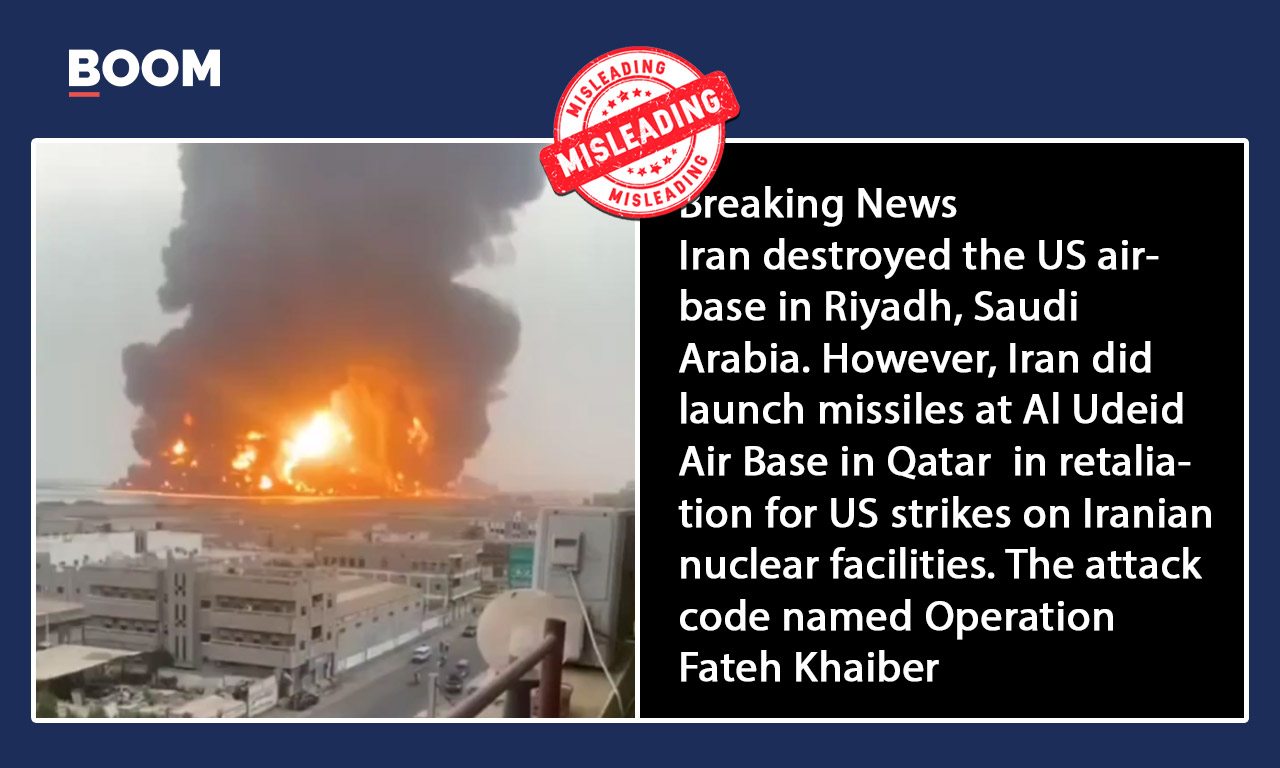
In a concerning development of misinformation surrounding ongoing Middle East tensions, social media platforms are circulating an old video with false claims about Iran destroying a U.S. air base in Saudi Arabia.
Fact-checking organization BOOM has determined that the footage actually shows Israeli strikes on Yemen’s Hodeidah port from July 2024, not a recent Iranian attack on American military facilities. The Israeli operation was conducted in retaliation for a drone attack on Tel Aviv by the Iran-backed Houthi rebels.
The misleading video has gained traction amid heightened regional tensions following Iran’s confirmed attacks on U.S. bases and other targets across several Middle Eastern countries on February 28. This Iranian offensive was itself a response to coordinated military operations conducted by Israel and the United States in the region.
Adding to the complexity of the situation, Iran recently confirmed the death of Supreme Leader Ayatollah Ali Khamenei in Israeli and U.S. strikes, prompting authorities to declare a 40-day national mourning period.
The false claims about the video have spread primarily on X (formerly Twitter), where users shared it with captions declaring: “Breaking News Iran destroyed the US airbase in Riyadh, Saudi Arabia. However, Iran did launch missiles at Al Udeid Air Base in Qatar in retaliation for US strikes on Iranian nuclear facilities. The attack code named Operation Fateh Khaiber.”
Through careful analysis, fact-checkers broke the video into key frames and found multiple posts from July 2024 that correctly identified the footage as showing the aftermath of Israeli bombing at Yemen’s Hodeidah port. Additional keyword searches in Arabic revealed a Rassd News Network report confirming the footage depicts a massive fire following Israeli military action at the port on July 20, 2024.
Major international news organizations including BBC and CNN extensively covered these strikes at the time. Israel targeted the Houthi-controlled Red Sea port following a drone attack on Tel Aviv orchestrated by the Yemen-based group.
Israeli Prime Minister Benjamin Netanyahu defended the operation by stating that the targeted port served as a transit point for Iranian weapons being supplied to the Houthis. The strategic Red Sea port is crucial for the flow of goods and materials into Yemen, a country that has been devastated by civil war since 2014.
The circulation of this misleading footage highlights the challenge of information verification during periods of geopolitical crisis. The Israel-Hamas conflict has triggered wider regional involvement, with Iran-backed groups like Hezbollah in Lebanon and the Houthis in Yemen launching attacks against Israeli interests in solidarity with Palestinians.
This pattern of misinformation is particularly dangerous as it can inflame tensions further in a region already on edge. False claims about military strikes could potentially influence public opinion or even provoke unwarranted responses from governments and military forces.
The incident serves as a reminder for media consumers to verify information through reliable sources, especially during active conflicts when misinformation can spread rapidly through social networks. Footage from previous conflicts or military operations is frequently repurposed and presented out of context to support false narratives during new crises.
As regional tensions continue to evolve, accurate reporting remains essential for proper public understanding of complex geopolitical events in the Middle East.
Fact Checker
Verify the accuracy of this article using The Disinformation Commission analysis and real-time sources.

12 Comments
This is a concerning case of misinformation spreading about the situation in the Middle East. It’s important to rely on credible fact-checking sources to understand the complex dynamics at play here, rather than circulating unverified videos and claims.
Absolutely, verifying information is crucial, especially when tensions are high in the region. Spreading false claims can only serve to further inflame the situation.
The escalating tensions in the Middle East are deeply concerning, and it’s troubling to see false claims and old footage being used to stir up further conflict. We need to be vigilant in seeking out accurate, up-to-date information from trusted sources.
Absolutely. Spreading misinformation, even unintentionally, can have serious consequences in a situation like this. It’s crucial that we all make the effort to verify information before sharing it.
The complexities of the situation in the Middle East make it all the more crucial that we approach discussions and news with a critical eye. Relying on verified information from credible sources is the best way to gain a nuanced understanding of these events.
Agreed. Spreading misinformation, even inadvertently, can have serious consequences and undermine efforts towards stability. We all have a responsibility to be responsible and discerning when it comes to consuming and sharing information.
This is a concerning development that highlights the need for vigilance when it comes to online information, especially on sensitive geopolitical issues. It’s crucial that we all make the effort to verify claims and rely on reputable, fact-based sources to avoid contributing to the spread of misinformation.
Absolutely. In times of heightened tensions, it’s more important than ever that we approach news and social media with a critical eye, and prioritize accurate, verified information over unsubstantiated claims or old footage.
The details provided by the fact-checking organization BOOM help clarify the origins of this video and the actual events it depicts. It’s a good reminder to be cautious about information shared on social media, especially during times of conflict.
Agreed. In a complex geopolitical landscape, it’s vital that we rely on reputable sources and fact-check claims before amplifying them, to avoid inadvertently contributing to the spread of misinformation.
This is a timely reminder of the importance of critical thinking and fact-checking, especially when it comes to sensitive geopolitical issues. The spread of false claims can only serve to exacerbate tensions and undermine efforts towards stability in the region.
Well said. In an age of information overload, it’s more important than ever to be discerning consumers of news and to rely on reputable, fact-based sources.