


Listen to the article
Iran has denied Ukraine’s recent claims of destroying a warehouse with counter-drone systems in Dubai, marking an escalation in diplomatic tensions between the two nations amid the complex geopolitical landscape of the Middle East.
The Islamic Revolutionary Guard Corps (IRGC) of Iran initially claimed that a missile strike had destroyed a warehouse housing Ukrainian anti-drone systems in Dubai. The IRGC further alleged that 21 Ukrainian nationals were present at the facility at the time of the attack and were likely killed in the strike.
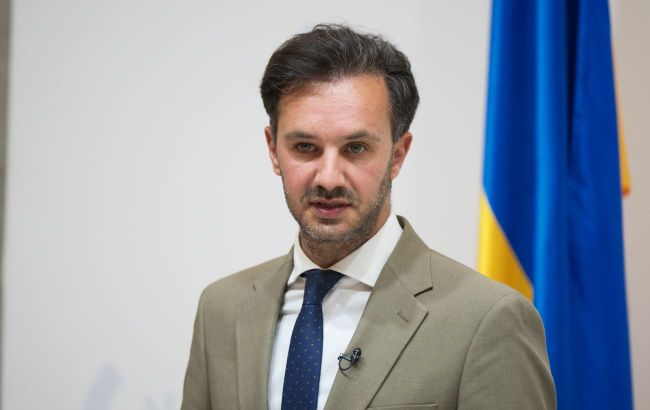
These claims were swiftly and categorically rejected by Ukrainian officials. Heorhii Tykhyi, spokesperson for the Ukrainian Foreign Ministry, dismissed the reports as “a lie” in comments to journalists. “We officially deny this information. The Iranian regime often conducts such disinformation operations — in this it is no different from the Russians,” Tykhyi stated, drawing parallels between Iranian and Russian propaganda tactics.
The false claims reported by Iran’s Fars News Agency represent the latest development in increasingly hostile rhetoric between the two countries, with Iran recently escalating its threats against Ukraine.
This incident follows concerning statements from Ebrahim Azizi, who heads Iran’s parliamentary national security commission. Azizi declared that Ukraine could be considered a “legitimate target” for Iranian military action due to what he described as Ukraine’s assistance to Israel with interceptor drones. According to Azizi, Ukraine’s alleged support for Israel would make its entire territory a “legitimate and lawful target” for Iran under provisions of the UN Charter.
The accusations come against a backdrop of Iran’s deepening military ties with Russia in the ongoing conflict with Ukraine. Iran has supplied Russia with Shahed drones that have been used extensively against Ukrainian civilian infrastructure, while repeatedly denying direct involvement in the conflict.
Experts in international relations view these developments as part of Iran’s broader strategy to maintain pressure on Ukraine while strengthening its position as a key ally to Russia. The false warehouse attack claim appears designed to create confusion and potentially test international responses to hypothetical Iranian strikes against Ukrainian interests abroad.
The United Arab Emirates, where Dubai is located, has maintained careful diplomatic relations with both Iran and Ukraine. The UAE has not commented on the false claims, but any actual military action on its territory would represent a serious violation of its sovereignty and potentially draw wider regional powers into the conflict.
For Ukraine, already fighting a defensive war against Russia, the Iranian threats represent an unwelcome expansion of security concerns. Ukrainian officials have consistently denied providing military assistance to Israel’s operations, maintaining that their focus remains on defending their own territory against Russian aggression.
International security analysts note that Iran’s disinformation campaign mirrors tactics frequently employed by Russia, suggesting possible coordination between Tehran and Moscow in their information warfare strategies against Ukraine and its Western allies.
The incident highlights the increasingly interconnected nature of global conflicts, where regional disputes can rapidly expand to involve multiple nations across different continents. As tensions between Iran and Ukraine continue to simmer, diplomatic observers will be watching closely for any signs of actual military escalation beyond the realm of disinformation and rhetorical threats.
Fact Checker
Verify the accuracy of this article using The Disinformation Commission analysis and real-time sources.

10 Comments
The parallels drawn between Iranian and Russian propaganda tactics are concerning. It’s a reminder of the importance of critical thinking and fact-checking, especially when it comes to sensitive geopolitical issues. I hope the situation can be resolved through diplomacy and open dialogue.
Absolutely. Disinformation and false claims should be swiftly and firmly rejected. Maintaining trust and credibility in international affairs is crucial, especially in such volatile regions.
Ukraine’s swift and categorical rejection of Iran’s claims is reassuring. It’s good to see Ukrainian officials calling out these false reports as lies and disinformation. Maintaining transparency and truth is crucial in international affairs.
Absolutely. Pushing back against this kind of propaganda is essential, especially when it involves escalating threats and tensions. I hope the situation can be de-escalated through diplomacy and fact-based dialogue.
The complex geopolitical landscape of the Middle East makes these sorts of incidents particularly concerning. I’m curious to learn more about the broader context and potential implications for the region and beyond.
Yes, the interplay of different regional powers and their interests adds an extra layer of complexity. It will be important to monitor how this situation evolves and impacts the wider region.
It’s troubling to see Iran resorting to such blatant disinformation. Their claims seem to be part of a larger strategy to sow confusion and undermine Ukraine’s credibility. Fact-based reporting and diplomatic pressure will be crucial in countering these tactics.
I agree. Maintaining a commitment to truth and transparency, even in the face of such hostile rhetoric, is vital. Hopefully, the international community can work to de-escalate the situation and find a peaceful resolution.
Interesting to see the diplomatic tensions between Iran and Ukraine escalate further. It’s concerning to see Iran make these false claims, as it seems to be part of a broader disinformation campaign. I’m curious to learn more about the complex geopolitical dynamics at play here.
I agree, the parallels drawn between Iranian and Russian propaganda tactics are concerning. It’s important to have reliable information and fact-checking in these situations.