


Listen to the article
UK Dismisses Russian Claims of Nuclear Weapons Transfer to Ukraine
British officials have categorically rejected accusations from Russia that the United Kingdom and France are planning to provide Ukraine with nuclear weapons, calling the allegations completely false and part of a deliberate disinformation campaign.
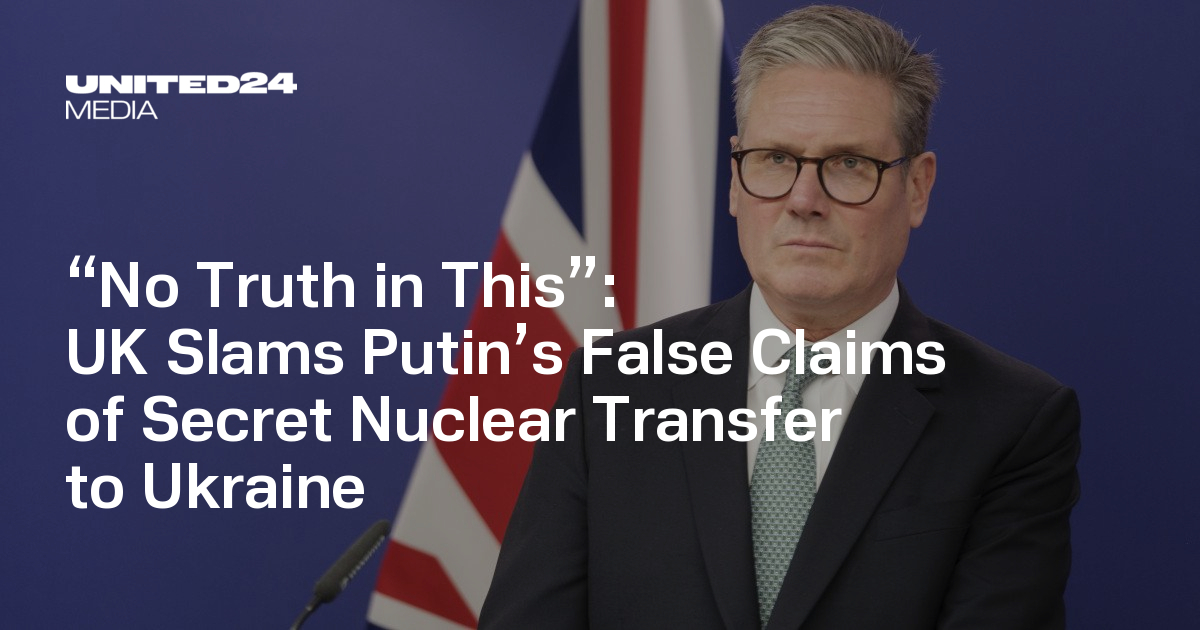
A spokesperson for British Prime Minister Keir Starmer addressed the claims on February 24, stating: “There is no truth in this. You heard the Prime Minister’s words this morning, in which he paid tribute to the incredible resilience of the Ukrainian people… We will continue our efforts to ensure a just and lasting peace.”
The denial came in response to assertions made by Russia’s Foreign Intelligence Service (SVR), which claimed without evidence that London and Paris were preparing to transfer nuclear weapons or “dirty” nuclear devices to Kyiv. Security analysts note this represents another escalation in Russia’s rhetoric as the conflict enters its fifth year.
Following the initial accusation, Dmitry Medvedev, deputy chairman of Russia’s Security Council, issued what many interpret as a direct threat, warning that Russia could use nuclear weapons against the United Kingdom, France, and Ukraine “if necessary.” These comments align with a pattern of nuclear saber-rattling that has characterized Russian messaging throughout the conflict.
Russian President Vladimir Putin further amplified these claims during a meeting of Russia’s Federal Security Service (FSB) board, suggesting that Ukraine might use “a nuclear component” against Russia. As with previous allegations, no supporting evidence was provided.
The timing of these accusations is significant, coming on the fourth anniversary of Russia’s full-scale invasion of Ukraine. International observers view the nuclear allegations as an attempt to shift focus away from Russia’s ongoing military actions in Ukraine and to potentially justify further escalation.
The nuclear status of the countries involved adds important context to these claims. Both the United Kingdom and France are recognized nuclear-armed states under the Treaty on the Non-Proliferation of Nuclear Weapons. Ukraine, however, relinquished its Soviet-era nuclear arsenal in the 1990s under the Budapest Memorandum, which ironically included security assurances from Russia, the United States, and the United Kingdom.
This isn’t the first time Russia has made provocative statements regarding nuclear weapons during the conflict. Last November, Russian lawmaker Mikhail Sheremet suggested simulating nuclear strikes on mock-ups of Western landmarks including the Pentagon, Big Ben, and the Eiffel Tower, claiming such demonstrations would “cool and halt their disconcerting nuclear zeal for many years.”
Ukrainian President Volodymyr Zelenskyy has consistently warned that Russia is not genuinely seeking to end the war but instead attempting to weaken Kyiv’s negotiating position through escalating rhetoric and continued military pressure.
Western intelligence agencies have monitored Russia’s nuclear posturing with concern but generally assess these statements as psychological operations rather than signals of imminent nuclear deployment. Nevertheless, NATO officials maintain heightened vigilance regarding Russia’s nuclear forces.
Military analysts suggest the nuclear allegations represent an evolution in Russia’s information warfare strategy as battlefield progress remains limited and Western support for Ukraine, though sometimes delayed, continues to arrive.
The exchange highlights the intensifying rhetoric surrounding the conflict, with both the humanitarian and diplomatic situations remaining deeply challenging as the war enters its fifth year with no clear resolution in sight.
Fact Checker
Verify the accuracy of this article using The Disinformation Commission analysis and real-time sources.

7 Comments
The UK’s dismissal of these allegations reflects the government’s principled stance against Russia’s false narratives. As the conflict continues, it’s crucial that the international community remains vigilant and united in exposing such propaganda efforts. Upholding the truth is essential for maintaining global security and stability.
I agree. It’s important that the UK and its allies continue to firmly refute any attempts by Russia to distort the facts and mislead the public. Transparency and accountability are vital in these challenging times.
This is another blatant attempt by Russia to spread disinformation and justify its aggression against Ukraine. The UK government has firmly denied these baseless claims, reaffirming its commitment to a just peace. It’s concerning to see the escalation in Russia’s rhetoric, but I trust the UK will continue to respond with resolve and transparency.
These allegations from Russia are yet another concerning escalation in their disinformation campaign. I’m glad to see the UK government swiftly and firmly refuting these baseless claims. It’s essential that the international community remains vigilant and united in upholding the truth amidst such propaganda efforts.
Absolutely. The UK’s clear and decisive rejection of these allegations is an important stand against Russia’s attempts to distort the facts. Maintaining transparency and accountability is crucial in this conflict.
The UK’s prompt and unequivocal denial of these claims is a welcome response. Attempts by Russia to manufacture false pretexts for its actions must be consistently called out and rejected. Maintaining the integrity of the facts is crucial in this conflict, and I commend the UK government for its principled stance.
It’s troubling to see Russia continue to spread such blatant falsehoods. The UK government’s prompt and unequivocal denial of these claims is a reassuring response. Exposing and countering disinformation is vital as this conflict continues, and I’m glad to see the UK taking a firm stance in defense of the truth.