


Listen to the article
GB News Issues Apology and Damages to Islamic Relief Over False Terrorism Claims
British broadcaster GB News has issued a formal apology and paid “substantial damages” to UK-based charity Islamic Relief after broadcasting false allegations that the organization had funded terrorist groups in the Middle East.
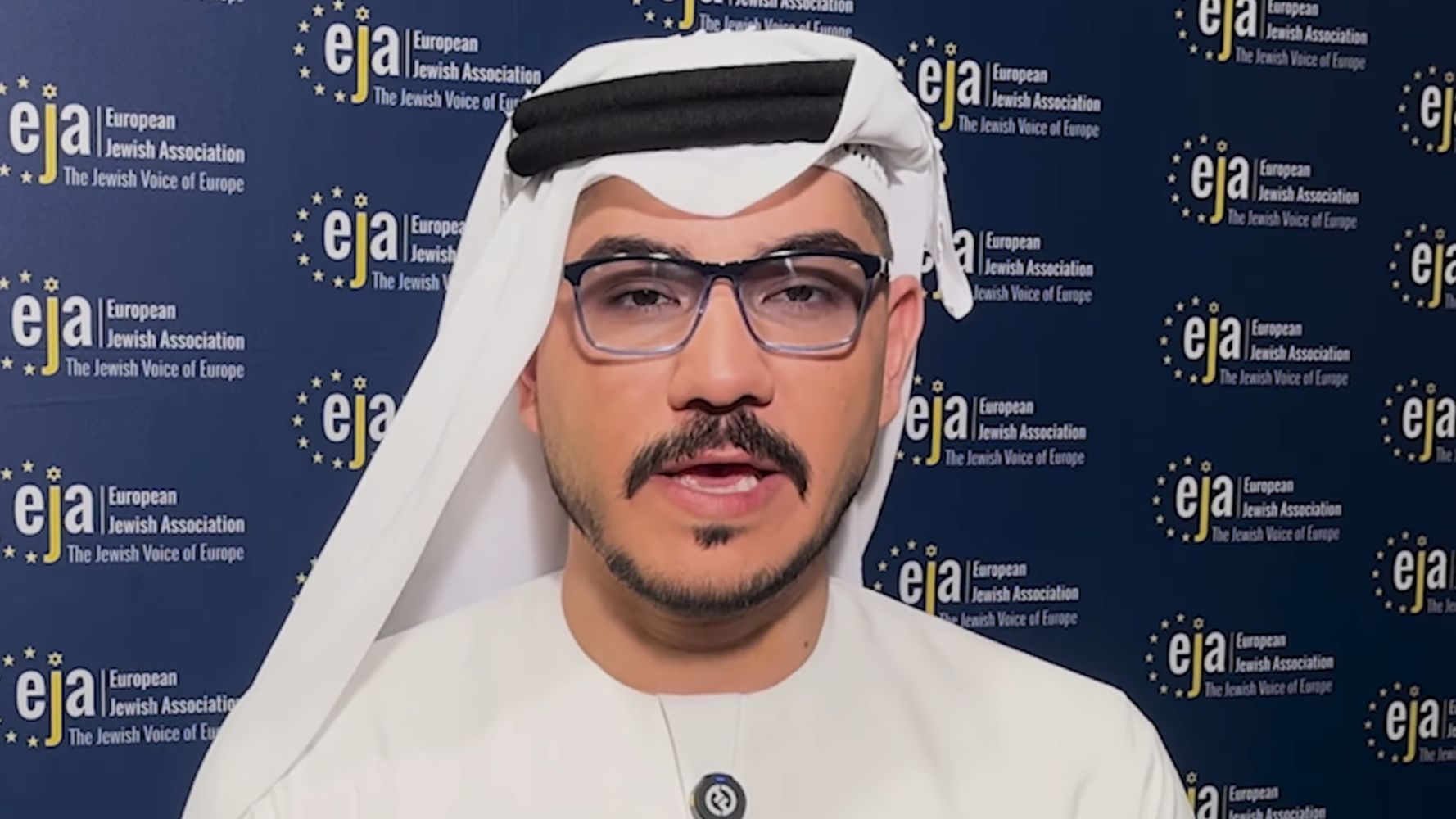
The unfounded claims were made during the February 16 broadcast of “The Camilla Tominey Show” by guest Amjad Taha, an Emirati influencer known for appearing on right-wing media outlets and frequently promoting perspectives aligned with United Arab Emirates policy positions.
During the segment, Taha incorrectly stated that Islamic Relief “is sending money all the way to some terrorist groups in the Middle East.” The allegation prompted swift legal action from the humanitarian organization, resulting in GB News removing the offending clip from its channels and broadcasting a retraction.
In September, GB News issued a clarification acknowledging the falsehood: “We accept the allegation that Islamic Relief has funded terrorist groups is untrue. Islamic Relief has stated it does not promote or support extremism of any kind and that it is a purely humanitarian organisation.”
A spokesperson for Islamic Relief expressed relief at the resolution, stating: “We are very pleased that it has been possible to draw a line under this complaint. GB News gave a platform to serious allegations which are not only totally untrue but run contrary to the core principles on which we operate.”
The spokesperson highlighted the particularly offensive nature of the accusations, noting: “Given that our own humanitarian workers have themselves been killed by terrorists, these allegations are particularly offensive and deeply troubling. They perpetuate disinformation that not only threatens the lives of our colleagues, but also our beneficiaries.”
This incident occurs against a backdrop of ongoing geopolitical tensions in the Middle East. The UAE has long targeted Islamic Relief, attempting to characterize it as connected to the Muslim Brotherhood, an organization the UAE has designated as terrorist. Similarly, Saudi Arabia has banned Islamic Relief, as has Israel, which prevents the charity from operating in the occupied West Bank.
Media scrutiny of these efforts increased last year when The New Yorker published an investigation revealing that the UAE had financed a coordinated smear campaign against Islamic Relief, attempting to link the charity’s officials to the Muslim Brotherhood and extremist groups.
Taha’s on-air comments appear to fit within this broader pattern. He belongs to a growing network of Gulf-based influencers who actively promote normalization with Israel while defending UAE foreign policy across the Middle East and Africa. Though presenting himself as an analyst during media appearances, Taha has consistently pushed narratives that align with UAE strategic interests.
In recent months, he has particularly focused on attempting to connect the Sudanese army to both the Muslim Brotherhood and Hamas in Gaza—claims that align with UAE backing of the Rapid Support Force, the paramilitary group opposing the Sudanese army in the country’s devastating civil war.
The case highlights growing concerns about the spread of misinformation on broadcast media and raises questions about the vetting process for guests presenting themselves as expert commentators on complex international issues. For Islamic Relief, which operates humanitarian programs across multiple conflict zones, such false allegations can have serious repercussions for their operations, staff safety, and ability to deliver aid to vulnerable populations.
This settlement marks a significant vindication for Islamic Relief, one of the largest Muslim charities in the world, as it continues its humanitarian work across more than 40 countries despite facing political challenges in certain regions.
Fact Checker
Verify the accuracy of this article using The Disinformation Commission analysis and real-time sources.

6 Comments
It’s good to see GB News take responsibility for airing false claims about Islamic Relief. Spreading misinformation can have serious consequences, so media outlets need to verify facts carefully before broadcasting accusations, especially related to sensitive topics like terrorism funding.
While I’m glad GB News corrected the record, I’m curious what internal processes they have in place to vet guests and fact-check claims before airing them. Sloppy reporting on sensitive topics like terrorism funding can do real harm. Stronger editorial oversight seems warranted.
Paying damages and issuing a retraction is the right thing to do after making unsubstantiated allegations. Transparency and accountability are crucial for maintaining public trust in journalism, even for outlets with strong partisan leanings.
Exactly. Retracting false claims and acknowledging errors demonstrates journalistic integrity, regardless of an outlet’s political stance. This sets a good example for responsible reporting going forward.
This is an important reminder that media outlets must be vigilant about verifying information, especially when it comes to making serious allegations. Spreading false claims, even inadvertently, can have severe consequences for the targeted individuals or organizations.
It’s good to see GB News take responsibility for this incident, but the larger question is whether they will learn from it and implement more rigorous fact-checking procedures going forward. Maintaining journalistic integrity is critical, even for outlets with clear political leanings.