


Listen to the article
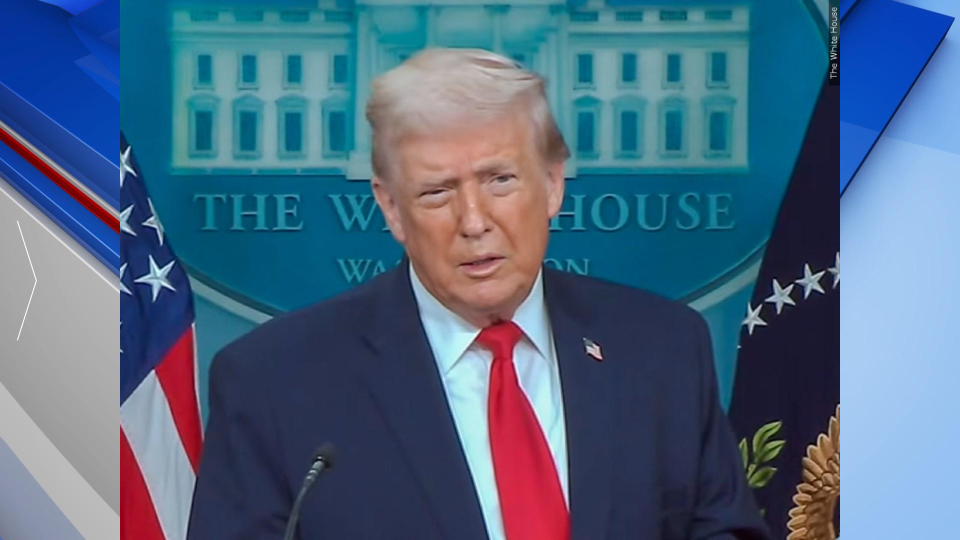
President Trump signed a $1.2 trillion government funding bill Tuesday, ending the partial federal shutdown that began over the weekend and setting the stage for a contentious debate over Homeland Security funding in the coming weeks.
The legislation swiftly cleared the House by a narrow margin of 217-214, with Trump moving quickly to sign it into law. “This bill is a great victory for the American people,” the president declared after the vote.
The approved package funds most government agencies and programs through September 30, but crucially only extends Department of Homeland Security funding for two weeks, through February 13. This short-term arrangement was demanded by Democrats seeking greater restrictions on immigration enforcement following the controversial shooting deaths of Alex Pretti and Renee Good by federal officers in Minneapolis.
The temporary nature of the DHS funding creates a looming deadline that will force both parties to negotiate over the agency’s operations, particularly those of Immigration and Customs Enforcement (ICE). House Democratic Leader Hakeem Jeffries has already signaled a hardline stance, warning that Democrats will not support additional temporary funding without substantial changes to immigration enforcement practices.
“We need dramatic change in order to make sure that ICE and other agencies within the Department of Homeland Security are conducting themselves like every other law enforcement organization in the country,” Jeffries stated, raising the prospect of another potential shutdown for the department if an agreement isn’t reached.
House Speaker Mike Johnson expressed optimism about reaching a deal before the deadline. “This is no time to play games with that funding. We hope that they will operate in good faith over the next 10 days as we negotiate this,” Johnson said, adding that Trump has reached out to facilitate discussions.
Senate Majority Leader John Thune, however, appeared less confident, telling reporters an agreement would require “miracles.”
The funding package that cleared Congress Tuesday contained provisions appealing to both parties. Republicans successfully avoided a massive omnibus spending bill, which they argue has historically contributed to greater federal spending. Democrats managed to prevent some of Trump’s proposed cuts while adding language to ensure funds are spent according to congressional directives.
The final House vote demonstrated the delicate political balancing act, with 21 Republicans opposing the bill while an identical number of Democrats supported it. Most lawmakers voted along party lines, but the crossover votes proved crucial for passage.
Trump had urged Republican unity on Monday, writing on social media that “There can be NO CHANGES at this time,” a message directed at GOP holdouts seeking to advance unrelated priorities.
This shutdown differed significantly from the fall impasse that lasted a record 43 days. The previous shutdown debate centered on extending temporary pandemic-era subsidies for Affordable Care Act coverage, which Democrats ultimately failed to secure.
Congress has made notable progress since then, passing six appropriations bills prior to Tuesday that ensured many important programs – including nutrition assistance and national parks – were already funded through September 30, limiting the impact of the current shutdown.
With Tuesday’s vote, approximately 96% of the federal government is now funded through the end of the fiscal year. As Speaker Johnson noted, “You might say that now that 96% of the government is funded, it’s just 4% what’s out there? But it’s a very important 4%.”
The successful passage of most government funding provides temporary stability for federal operations, but sets up what will likely be an intense two-week negotiation over immigration enforcement policies – a politically charged issue that continues to divide Congress along partisan lines.
Fact Checker
Verify the accuracy of this article using The Disinformation Commission analysis and real-time sources.

10 Comments
From a mining and commodities perspective, I’ll be curious to see if any of the funding debate touches on issues like critical mineral supply chains or permitting for new mines. Those could have implications for the broader energy and industrial sectors.
Good point. Depending on how the negotiations unfold, there may be opportunities or challenges for the mining industry worth watching closely.
As an investor in mining and energy companies, I’ll be monitoring this debate closely for any potential impacts on permitting, regulations, or funding that could affect the commodities sector. Maintaining a stable policy environment is crucial for these industries.
The temporary nature of the DHS funding extension is likely a strategic move by Democrats to maintain leverage in the upcoming negotiations. It will be interesting to see how the administration responds and where each side is willing to compromise.
This legislation seems to have significant implications for both domestic policy and national security. It will be important for all stakeholders to approach the upcoming discussions in good faith and seek reasonable compromises.
While the political wrangling over immigration enforcement is understandable, I hope the broader interests of the American people can be kept in focus during these discussions. Practical solutions that address valid concerns on all sides would be the ideal outcome.
Interesting to see the administration sign this funding bill, even with the looming debate over DHS funding. I’m curious to see how the negotiations play out and what compromises may be reached on immigration enforcement policies.
Yes, this temporary extension sets up an interesting dynamic. Democrats will likely push for more restrictions on ICE, while the administration wants to maintain a stronger enforcement stance.
The shooting deaths of Alex Pretti and Renee Good in Minneapolis seem to have sparked some controversy around immigration enforcement. I imagine this will be a key point of contention as the DHS funding is debated.
Absolutely, those incidents will undoubtedly factor into the negotiations. Both sides will be under pressure to address public concerns over immigration policy and enforcement.