


Listen to the article
Election officials nationwide are preparing for potential disruption during the upcoming midterm elections, particularly in Democrat-controlled states, as the influence of election denial movements grows within the federal government.
“The election denial movement is now embedded across our federal government, which makes it more powerful than ever,” said Joanna Lydgate, chief executive officer of States United Democracy Center, an organization that monitors proponents of election conspiracy theories. “Trump and his allies are trying to use all of the powers of the federal government to undermine elections, with an eye to the upcoming midterms.”
The concern comes amid growing tensions surrounding electoral integrity in the United States. Since the contested 2020 presidential election, claims of voter fraud and electoral manipulation have persisted among certain political circles, despite numerous court rulings and state audits finding no evidence of widespread irregularities.
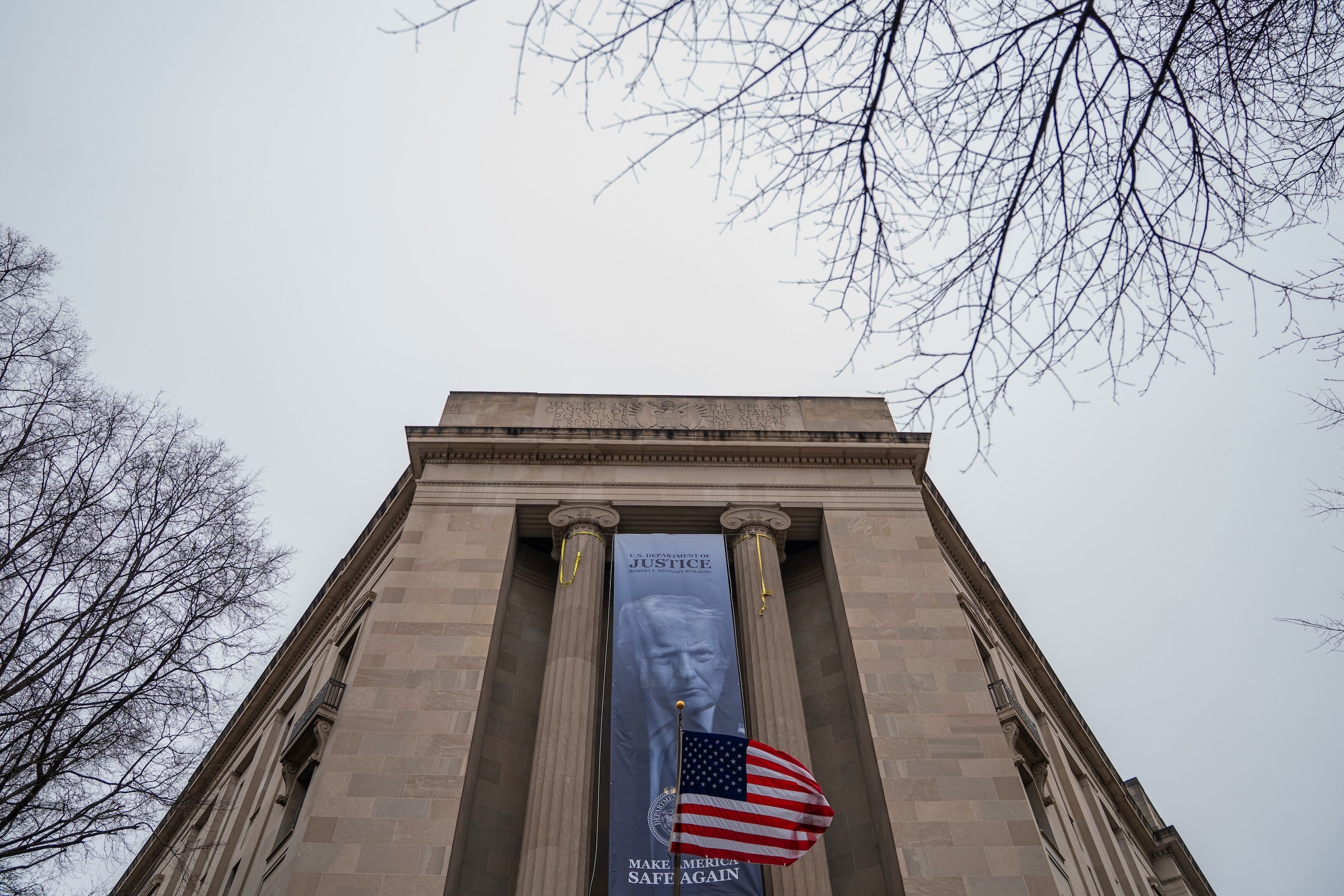
According to observers, the Trump administration has reshaped federal institutions to align with the former president’s personal agenda. His appointment of Pam Bondi as Attorney General has raised particular concerns among election security experts. Bondi, who was actively involved in efforts to contest the 2020 election results, has reportedly stated that Justice Department employees must execute the president’s directives.
Despite facing multiple challenges in his second term—including economic uncertainties and controversial immigration policies—Trump continues to promote unfounded claims about winning the 2020 presidential election. These assertions have found a receptive audience among many of his supporters, contributing to a deepening partisan divide over electoral processes.
The administration’s composition has drawn scrutiny from electoral governance watchdogs. Many key positions are now filled with individuals who supported Trump’s election challenges or promoted various conspiracy theories about the 2020 results. This includes officials who played minor roles in contesting the election outcome, as well as those who have advanced more elaborate, debunked narratives that have nonetheless resonated with millions of Republican voters.
Election security experts warn that this environment creates unprecedented challenges for maintaining public trust in the upcoming midterms. With control of Congress hanging in the balance, the stakes are particularly high for both major parties.
State election officials, especially in areas where political control differs from the federal administration, have been implementing additional security measures and transparency protocols. Many states have enhanced their audit procedures and invested in public education campaigns about election processes.
The situation highlights America’s increasingly polarized approach to electoral administration—once considered a relatively nonpartisan function of government. Political scientists note that when large segments of the population question election legitimacy, it undermines one of democracy’s foundational elements.
Voting rights organizations have responded by intensifying voter education efforts and election protection programs. These initiatives aim to ensure voters understand their rights and the safeguards in place to protect election integrity.
Meanwhile, international democracy observers have expressed concern about the erosion of faith in American electoral systems. Several monitoring groups have announced plans to deploy observers during the midterm elections—a practice typically associated with emerging democracies rather than established ones like the United States.
As election day approaches, officials across the political spectrum face the dual challenge of administering a secure election while also convincing skeptical voters that the results reflect the will of the electorate. The outcome may have lasting implications not only for policy direction but also for the future of electoral administration in America.
Fact Checker
Verify the accuracy of this article using The Disinformation Commission analysis and real-time sources.

10 Comments
This is concerning news. It’s crucial that our democratic institutions maintain integrity and independence, free from political interference or agenda-driven appointment. Upholding electoral integrity should be a bipartisan priority.
I agree. We need strong safeguards to protect the sanctity of our elections, regardless of party affiliation. Undermining public trust in the electoral process is a dangerous path.
The growing influence of election denial movements within the federal government is worrying. Maintaining impartial, fact-based oversight of elections is vital for a healthy democracy. I hope this trend can be reversed before the midterms.
Absolutely. Widespread belief in unfounded election fraud claims poses a serious threat to the democratic process. Restoring confidence in the system should be a top priority for all elected officials.
This news raises serious concerns about the integrity of our electoral system. Embedding partisan actors with a history of pushing false claims into key federal roles is a concerning development that merits close scrutiny.
I share your concerns. Ensuring the fairness and impartiality of elections should be a fundamental responsibility of government, not an opportunity for political agendas. Vigilance is essential.
While individuals are entitled to their personal political views, it’s crucial that federal institutions tasked with overseeing elections remain objective and nonpartisan. Undermining public trust in the electoral process is a dangerous path.
I agree. Elected officials have a duty to uphold the integrity of our democratic system, not advance their own political interests. Safeguarding the sanctity of elections should be a unifying priority.
This report highlights the need for robust checks and balances to prevent partisan interests from compromising the independence of federal agencies responsible for electoral oversight. Restoring faith in the system should be a top priority.
Absolutely. Maintaining the impartiality of our electoral institutions is fundamental to a healthy democracy. Allowing partisan actors to undermine public trust in the process is a concerning development.