


Listen to the article
President Trump has stacked his administration with election conspiracy theorists who previously helped him challenge his 2020 defeat to Joe Biden, raising concerns about the independence of federal institutions and potential impacts on upcoming elections.
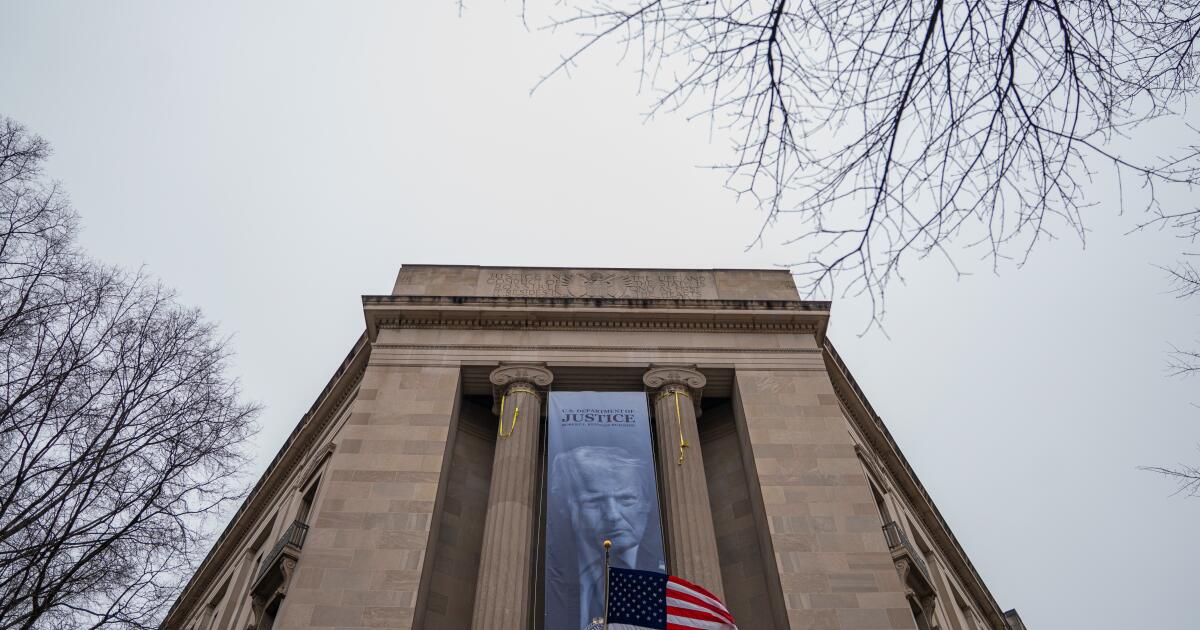
The administration now features numerous officials who promoted false claims about the 2020 election, from Attorney General Pam Bondi to lawyers now wielding significant authority within the Justice Department. Kurt Olsen, who unsuccessfully pressured the DOJ to support Trump’s election fraud allegations after his loss, now leads a far-reaching investigation into that same election.
In a significant development, federal authorities in late January seized ballots and election records from Fulton County, Georgia—a Democratic stronghold encompassing Atlanta that has long been targeted by Trump allies. According to the search warrant affidavit, this action was based on allegations that had already undergone thorough investigation previously.
“The election denial movement is now embedded across our federal government, which makes it more powerful than ever,” said Joanna Lydgate, who heads the States United Democracy Center, an organization monitoring election conspiracy promoters. “Trump and his allies are trying to use all of the powers of the federal government to undermine elections, with an eye to the upcoming midterms.”
The integration of election deniers into key positions represents a strategic consolidation of power within federal agencies. Attorney General Bondi, who actively participated in efforts to overturn Trump’s 2020 loss, has explicitly stated that Justice Department employees must execute the president’s directives, raising questions about the agency’s traditional independence.
Despite facing numerous critical challenges during his second term—including persistent economic concerns and his controversial immigration policies—Trump continues to propagate the false narrative that the 2020 election was stolen from him. This focus on relitigating the past election has alarmed election officials nationwide, particularly in Democrat-controlled states, who fear unprecedented federal interference in the upcoming midterm elections.
Political analysts note this pattern represents an unprecedented reshaping of federal institutions to align with a president’s personal grievances. The administration includes a spectrum of election skeptics—from longstanding Trump supporters who stood by him during his attempts to overturn the election results to individuals who have promoted even the most fantastical and thoroughly debunked conspiracy theories.
The seizure of election materials from Fulton County has particularly concerned election integrity experts. The county, which voted overwhelmingly for Biden in 2020, has faced repeated unfounded accusations from Trump supporters. Election administrators worry this action signals a troubling precedent of using federal authority to target jurisdictions based on their voting patterns rather than credible evidence of wrongdoing.
Democratic lawmakers have raised alarms about potential abuse of power and the erosion of the Justice Department’s traditional independence. Several have called for congressional oversight investigations into whether these actions represent politically motivated investigations rather than legitimate law enforcement operations.
Election officials in battleground states are now developing contingency plans for potential federal interventions during the upcoming midterms, when control of Congress hangs in the balance. Some states are reviewing their legal options to protect local election administration from what they view as politically motivated federal overreach.
Constitutional scholars point out that while presidents have broad authority to set policy priorities, using federal agencies to pursue personal political vendettas or undermine election confidence raises serious constitutional concerns about the separation of powers and democratic norms.
As the midterm elections approach, the administration’s focus on revisiting the 2020 election and the placement of election skeptics in key positions signals that election administration itself may become increasingly contentious territory in America’s already polarized political landscape.
Fact Checker
Verify the accuracy of this article using The Disinformation Commission analysis and real-time sources.

16 Comments
This is a concerning development that raises serious questions about the independence and impartiality of key federal agencies and their ability to carry out their duties effectively. Maintaining the credibility of our democratic institutions should be a paramount concern.
The appointment of election conspiracy theorists to influential government roles is deeply troubling. It’s critical that federal agencies and processes remain nonpartisan and focused on serving the public, not advancing personal or political agendas.
It’s deeply troubling to see the continued spread of election denial narratives within the federal government. Safeguarding the integrity of our democratic institutions should be a paramount concern, regardless of partisan affiliations.
The appointment of election deniers to influential government roles is a worrying development that could have serious implications for the credibility and independence of federal institutions. Maintaining public trust in the electoral process should be a top priority.
Absolutely. The continued normalization of election denial rhetoric within the government is a disturbing trend that warrants close monitoring and action to preserve the integrity of our democratic system.
This is a concerning trend that deserves close scrutiny. Embedding election conspiracy theorists in key government positions risks eroding the public’s faith in the electoral process and the ability of federal agencies to function independently and effectively.
The appointment of election deniers to influential roles within the federal government is a worrying development that could undermine public trust and the integrity of future elections. Maintaining the impartiality of our democratic institutions should be a top priority.
This is a worrying trend that could undermine the integrity of the electoral process. Placing individuals who have promoted false claims about election fraud in key positions of authority is a dangerous path forward for American democracy.
Concerning to see the continued spread of election denial rhetoric within the federal government. This could have serious implications for public trust and the democratic process. Hopefully proper safeguards are in place to maintain the independence and credibility of key institutions.
Agreed. We need to ensure our democratic institutions remain impartial and free from partisan interference, regardless of which party is in power.
I’m worried about the potential impact this could have on future elections and the public’s faith in the electoral system. Appointing officials who amplify false claims about election fraud seems like a concerning development that warrants close scrutiny.
It’s alarming to see the normalization of election denial rhetoric within the federal government. We need our democratic institutions to remain impartial and focused on upholding the will of the voters, not advancing partisan narratives.
While everyone is entitled to their political views, it’s crucial that those responsible for overseeing elections and upholding the rule of law maintain a steadfast commitment to impartiality and the protection of voting rights. This latest development is cause for concern.
This is concerning news. Appointing election deniers to administration posts risks undermining the integrity of federal institutions and future elections. While some may share the former president’s views, it’s crucial that government functions remain independent and nonpartisan.
While everyone is entitled to their political views, it’s crucial that government officials tasked with overseeing elections maintain a steadfast commitment to nonpartisanship and the protection of voting rights. This latest development raises serious concerns.
I agree completely. The independence and credibility of our electoral system must be safeguarded, regardless of political affiliation.