


Listen to the article
The devastating impact of false rape accusations can linger for decades, creating profound psychological trauma and irrevocable damage to reputations, relationships, and livelihoods, according to victims and legal experts.
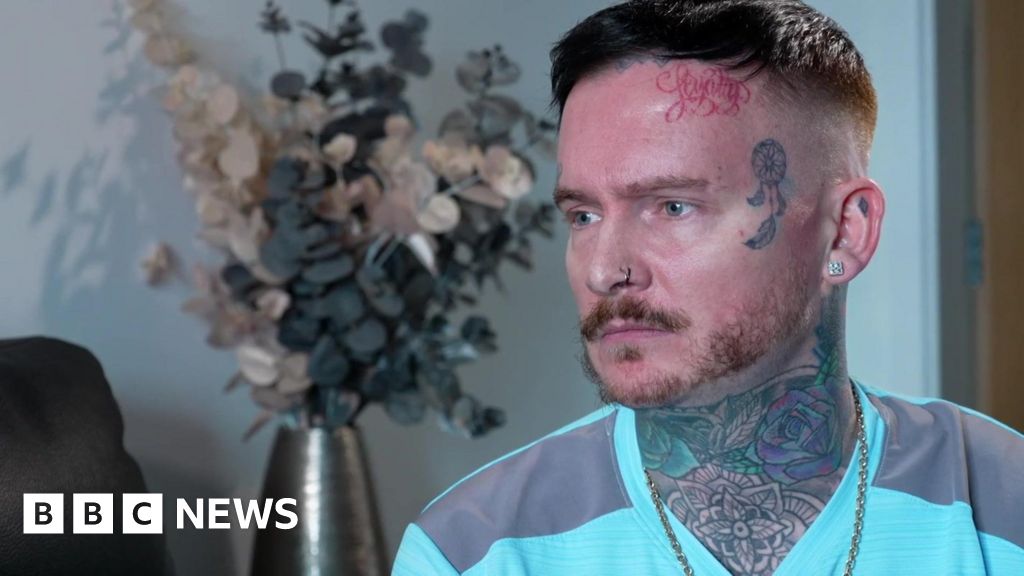
For James, whose name has been changed to protect his identity, the ordeal began five years ago when police officers arrived at his workplace to arrest him on suspicion of rape. Though eventually cleared of all charges, the experience has permanently altered his life trajectory.
“I lost my job, my home, and many friends who simply assumed I must have been guilty,” James told reporters. “Even after being exonerated, there’s always that lingering suspicion from some people. You can’t fully restore what was taken from you.”
Criminal justice statistics indicate that while false allegations are relatively rare, representing an estimated 3-5% of all reported sexual assault cases according to research from the Crown Prosecution Service, their consequences can be catastrophic for those wrongfully accused.
Dr. Lisa Mercer, a psychologist specializing in trauma, explains that falsely accused individuals often develop symptoms similar to post-traumatic stress disorder. “They experience hypervigilance, social withdrawal, depression, and a profound sense of injustice that can be difficult to process therapeutically,” she said.
The legal process itself compounds the trauma. Suspects often face extended periods of uncertainty while investigations proceed, sometimes lasting months or years. During this time, many lose employment opportunities, face social ostracism, and incur substantial legal expenses.
“The presumption of innocence that should be the cornerstone of our justice system often doesn’t extend to the court of public opinion,” said criminal defense attorney Martin Fellowes. “Once an accusation is made, particularly in the age of social media, the damage to someone’s reputation is immediate and often irreversible.”
The psychological impact extends beyond the accused to their families. Parents, spouses, and children frequently become collateral damage, facing their own social stigma and emotional turmoil.
“My parents aged ten years overnight,” said Thomas, another man who was falsely accused and later cleared. “My mother developed anxiety so severe she couldn’t leave the house for months, fearing judgment from neighbors.”
Support systems for those falsely accused remain inadequate in many jurisdictions. While accusers receive counseling and advocacy services, those wrongfully accused often navigate their trauma in isolation, with few dedicated resources available.
Some jurisdictions have introduced reforms to better balance protecting genuine victims while safeguarding against false allegations. These include anonymity for defendants until conviction, stricter penalties for demonstrably false allegations, and improved evidence collection protocols.
Legal experts emphasize that addressing false allegations must not discourage legitimate victims from coming forward. Sexual assault remains one of the most underreported crimes, with victims often facing skepticism and blame.
“It’s a delicate balance,” said Professor Eleanor Hitchens, who researches criminal justice at Cambridge University. “We must create a system that both encourages genuine victims to seek justice while protecting the innocent from false accusations. These goals should not be viewed as mutually exclusive.”
For those who have been falsely accused, rebuilding their lives presents ongoing challenges. Many report difficulty trusting others, forming new relationships, or regaining professional standing.
Support groups have emerged to assist the falsely accused, providing both practical advice and emotional support. Organizations like Falsely Accused Support Services offer counseling, legal guidance, and peer connections.
“The healing process is never complete,” said Robert, who founded a support group after his own experience with false allegations. “But sharing our stories helps break the isolation and reminds us that we’re not defined solely by what happened to us.”
Legal experts suggest that improved training for law enforcement, prosecutors, and judges could help reduce the incidence of wrongful prosecutions while still serving victims’ interests.
“This isn’t about choosing sides,” said former prosecutor Sanjay Patel. “It’s about ensuring that our justice system lives up to its name by delivering fair and accurate outcomes, protecting victims while preventing the creation of new victims through false accusations.”
For those who have endured false accusations, the path forward remains challenging but not impossible. With appropriate support and greater public understanding of their plight, many eventually find ways to rebuild meaningful lives despite the permanent scars of their experience.
Fact Checker
Verify the accuracy of this article using The Disinformation Commission analysis and real-time sources.

10 Comments
This highlights the delicate balance required in the justice system. While false accusations are rare, the consequences can be devastating. Reforms to protect the rights of both the accuser and the accused are clearly needed.
The lasting trauma of false accusations is heartbreaking. Even after exoneration, the stigma and damage to one’s life can be permanent. We must strive for a fair system that respects the rights of all involved.
Falsely accused individuals often develop PTSD-like symptoms, according to the article. The psychological toll of such an ordeal is immense. We need to find ways to better support those affected and prevent such injustices.
Tragic story. Even after being cleared, the accused can never fully recover what was taken from them. We must be vigilant to ensure justice is served while also protecting the rights of those wrongfully accused.
This is a heartbreaking story. False accusations can destroy lives and reputations, even if the accused is eventually cleared. We need to be very careful about making assumptions and ensure a fair justice system for all.
Trauma from false accusations can linger for decades. Even after exoneration, the stigma remains. This highlights the need for reforms to better support those wrongfully accused and prevent such injustices in the first place.
While false accusations are rare, the trauma they cause is devastating. Victims deserve support and justice, but the accused should also be treated with compassion until guilt is proven. This is a complex issue with no easy answers.
Absolutely. Protecting the rights of both the accuser and the accused is critical to upholding the integrity of the justice system. Rushing to judgment helps no one.
This is a sobering reminder of the importance of due process and the presumption of innocence. False accusations, though uncommon, can have catastrophic consequences. Reforms are needed to protect the rights of both accusers and the accused.
While false allegations are rare, the impact they have can be severe and long-lasting. We must strive for a justice system that is fair and compassionate to all involved. This is a nuanced issue requiring thoughtful consideration.