


Listen to the article
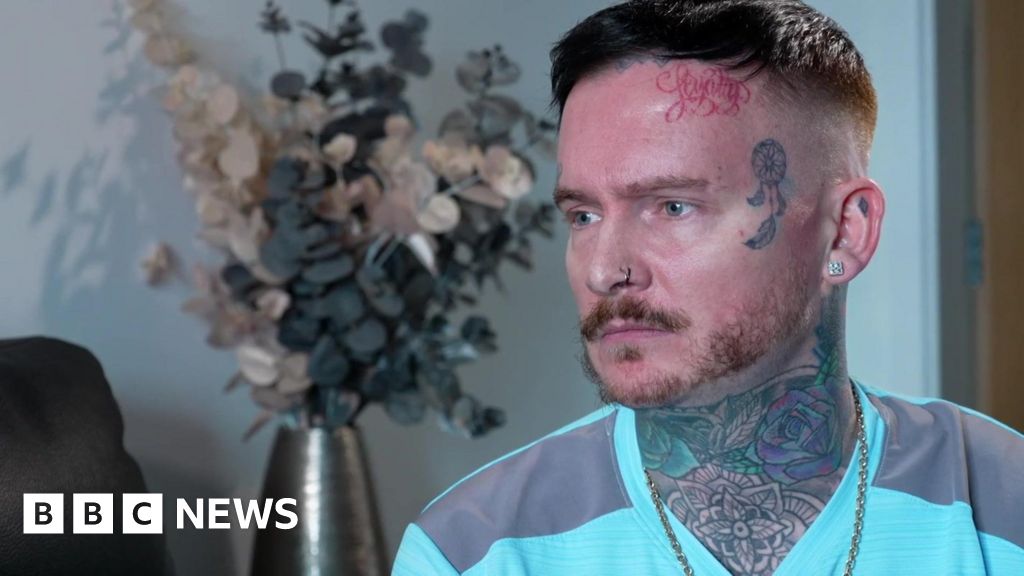
A former rugby player has spoken out about the devastating impact of being falsely accused of rape, describing it as a trauma that will haunt him for the rest of his life.
Thom Welch, now 31, was accused of sexual assault by a woman he had met during a night out in Newcastle in 2019. The allegation came days after what Welch described as a consensual encounter. Though he was ultimately cleared of all wrongdoing when the Crown Prosecution Service dropped the case due to insufficient evidence, the ordeal has left permanent scars on his mental health and reputation.
“Even when you’re innocent, the accusation itself is a punishment,” Welch told reporters. “People hear ‘rape investigation’ and immediately assume guilt. That presumption follows you everywhere—job interviews, social situations, even family gatherings.”
Welch, who previously played rugby at semi-professional level, lost his position with his club when the investigation began. His employer also placed him on unpaid leave pending the outcome of the case, creating significant financial strain during the 14-month investigation.
Mental health professionals note that false accusations, while statistically rare, can trigger severe psychological trauma similar to post-traumatic stress disorder. Dr. Miranda Horvath, a forensic psychologist specializing in sexual violence cases at Middlesex University, explains that the accused often experience a profound sense of powerlessness.
“The justice system necessarily takes all allegations seriously, but this means even those later proven innocent must endure a lengthy, psychologically damaging process,” Dr. Horvath said. “Many develop anxiety, depression, and trust issues that persist long after legal exoneration.”
The case highlights the complex tension between protecting victims of sexual assault and upholding the presumption of innocence. Rape Crisis England & Wales emphasizes that false allegations are extremely uncommon, with research suggesting they comprise between 2% and 8% of reported cases. Meanwhile, a significant number of genuine sexual assaults go unreported due to victims’ fears of not being believed.
Sarah Green, Director of End Violence Against Women Coalition, acknowledges the damage false accusations cause while emphasizing broader context. “Every false accusation is tragic for the accused, but we must remember the overall landscape shows sexual violence remains vastly underreported and underprosecuted.”
For Welch, clearing his name legally proved insufficient to rebuild his life. “The investigation may be closed, but social media ensures the allegations live forever,” he said. “Job searches, dating—people Google your name and the news articles are still there. The case was dropped, but I’m still defending myself every day.”
Criminal justice reform advocates point to this case as evidence that anonymity protections should be reconsidered for those accused of sexual offenses until conviction. Currently in the UK, while accusers receive lifetime anonymity, those accused are typically named once charged.
“The asymmetry creates an indelible stigma even when cases collapse or end in acquittal,” said Jason Peacock, a legal reform campaigner. “Our system must balance supporting genuine victims while protecting the wrongfully accused from permanent reputational damage.”
Police officials defend their thorough investigation protocols, noting that all allegations must be taken seriously and investigated fully. Detective Chief Inspector Helen Sommerville of Northumbria Police stated that officers follow evidence-based procedures regardless of the case outcome.
“Our primary duty is to investigate allegations thoroughly while treating all parties with respect and dignity,” Sommerville said. “We understand investigations themselves can be traumatic, which is why we strive for both thoroughness and efficiency.”
Welch has since become involved with support networks for others who have faced false allegations, saying that connecting with people who understand his experience has been crucial to his recovery. He has undergone therapy for anxiety and depression but acknowledges some wounds may never fully heal.
“I don’t want my experience to discourage genuine victims from coming forward,” Welch emphasized. “But there needs to be recognition that false accusations destroy lives too. The system must protect everyone involved until the truth emerges.”
As he attempts to rebuild his life, Welch remains cautious in social situations and has moved to a different city to escape the shadow of the accusations. “I’ll never be the same person I was before. That carefree guy is gone forever.”
Fact Checker
Verify the accuracy of this article using The Disinformation Commission analysis and real-time sources.

7 Comments
This is a heartbreaking story. No one should have to endure the trauma and stigma of false accusations, even if they are ultimately cleared. We need to be more careful about making assumptions and ensure that the justice system protects the innocent.
This case highlights the need for a more balanced and compassionate justice system. Presuming innocence until proven guilty is a cornerstone of a fair society. Sadly, false accusations can ruin lives even when the accused is cleared.
Agreed. The trauma of being falsely accused is unimaginable. We must find ways to support the falsely accused while also ensuring that true victims feel empowered to come forward.
It’s distressing to hear how this man’s life was upended by a false allegation. While rare, these cases deserve serious attention. The lasting impact on mental health and reputation is truly devastating.
False rape allegations are incredibly damaging, not just for the accused but for true victims of sexual assault who may be less likely to come forward. While rare, they deserve serious attention and reform to better support the falsely accused.
Absolutely. The presumption of guilt and the lasting reputational damage can be life-altering. Reforms are needed to protect the innocent and ensure true justice.
This is a sobering reminder of the importance of due process and the presumption of innocence. False accusations, while statistically uncommon, can have profound and long-lasting consequences. We must find ways to better protect the falsely accused.