


Listen to the article
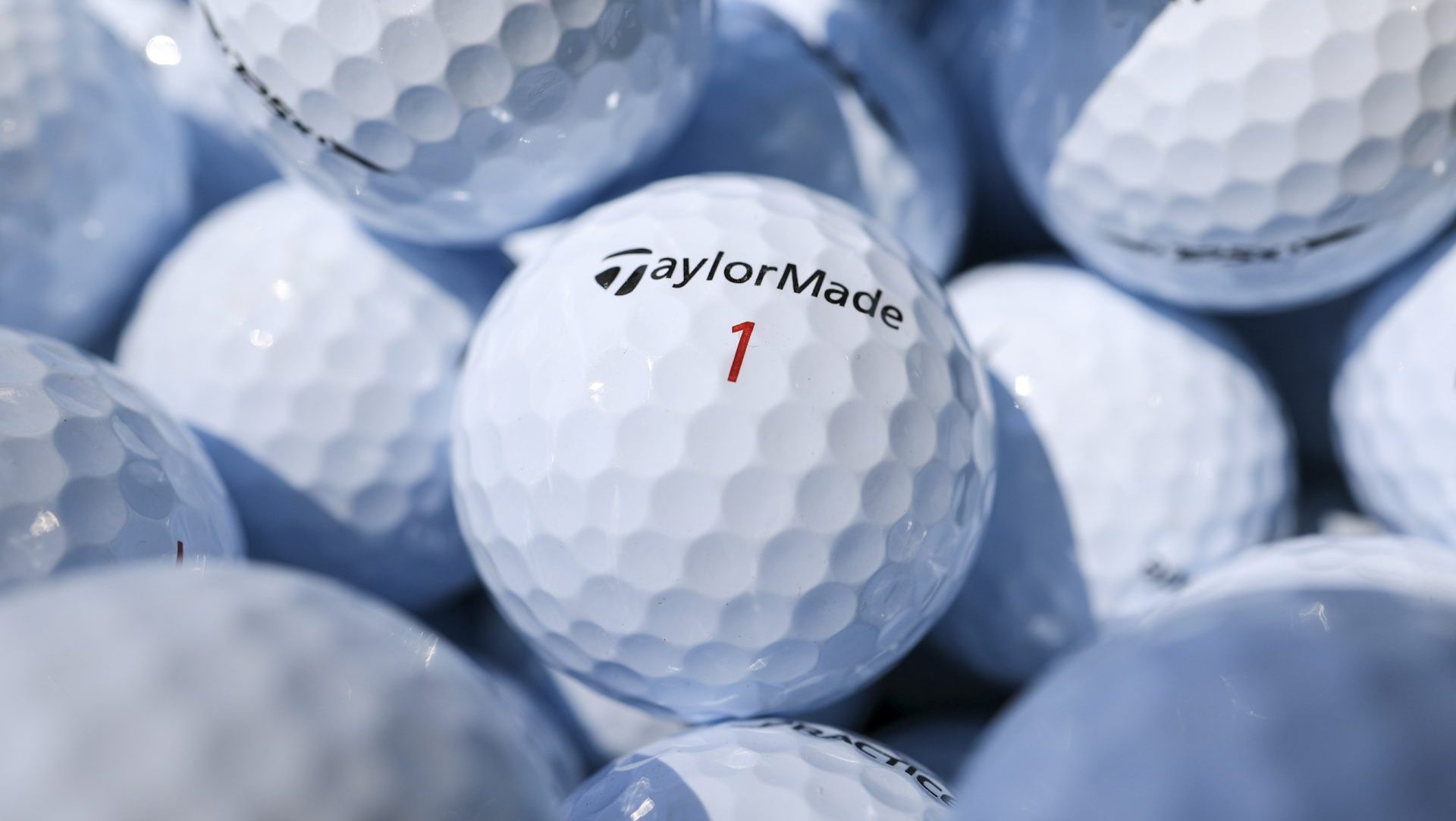
TaylorMade has filed a lawsuit against rival golf equipment manufacturer Callaway, alleging that Callaway has made false claims about the composition of TaylorMade golf balls, according to court documents filed this week.
The dispute centers on what TaylorMade describes as misleading statements about their ball performance in certain conditions. According to the lawsuit, Callaway representatives have been conducting demonstrations for golf retailers and professionals using ultraviolet light to suggest that TaylorMade balls are prone to the same negative trajectory effects as mud-covered golf balls.
“The allegations represent a serious attempt to damage our reputation in the highly competitive golf ball market,” a TaylorMade spokesperson told reporters. “These claims about our product performance are not only inaccurate but potentially harmful to our business.”
The golf ball segment has become an increasingly important battleground for major equipment manufacturers. The market, valued at approximately $1.1 billion globally, has seen intensifying competition as players seek performance advantages and manufacturers fight for market share.
TaylorMade, which has significantly grown its presence in the golf ball market in recent years, alleges that Callaway’s demonstrations falsely imply that their balls’ materials create flight inconsistencies. The lawsuit seeks injunctive relief to stop Callaway from continuing these demonstrations, along with unspecified damages.
Industry experts note that this litigation comes at a time when both companies are vying for position in the premium golf ball category. TaylorMade has made significant inroads with its TP5 and TP5x models, while Callaway continues to promote its Chrome Soft line.
“This type of competitive friction isn’t uncommon in the golf equipment industry, but taking it to court elevates the stakes considerably,” said James Peterson, a golf industry analyst. “The ball market has become incredibly lucrative, especially in the premium segment, where margins are higher and brand loyalty can be established.”
Golf ball technology has evolved dramatically in recent years, with manufacturers investing heavily in research and development. Modern premium balls feature complex multi-layer designs intended to optimize distance, spin, and feel. These technical advancements have made product differentiation—and protecting reputation—increasingly important.
The lawsuit also highlights the significance of retail channel relationships, as the demonstrations allegedly occurred during presentations to influential pro shop operators and golf professionals who often serve as key recommenders to consumers.
Callaway has not yet issued a formal response to the lawsuit, but industry sources suggest the company will vigorously defend its practices and marketing claims.
The golf equipment industry has seen several high-profile patent and marketing disputes in recent years as technological innovation accelerates and competition intensifies. In 2021, Acushnet (maker of Titleist balls) and Costco settled a long-running patent dispute over Costco’s Kirkland Signature golf balls.
The timing of the lawsuit is particularly notable as it coincides with the PGA Tour’s early-season events, when many professional players are making equipment decisions for the coming year and manufacturers are launching new products.
Legal experts suggest that the case will likely focus on whether Callaway’s demonstrations constitute fair competitive practice or cross into misleading commercial speech. The outcome could have implications for how golf equipment companies market their products against competitors.
A preliminary hearing is expected in the coming weeks, though the case could potentially take months or even years to resolve if it proceeds to trial.
Fact Checker
Verify the accuracy of this article using The Disinformation Commission analysis and real-time sources.

8 Comments
The golf ball market is an important one for major equipment manufacturers, so it’s understandable that they would be protective of their reputations and product claims. This lawsuit seems to be part of the ongoing battle for market share and consumer trust in the industry.
You’re right, brand reputation is crucial in this space. Consumers are looking for reliable information to guide their purchasing decisions, so companies have to be very careful about the claims they make.
This lawsuit highlights the challenges golf equipment makers face in making bold claims about their products. With the market so competitive, they have to be careful not to cross the line into false or misleading advertising. I’m curious to see if TaylorMade can successfully prove Callaway’s claims were inaccurate.
It’s fascinating to see the legal wrangling between these two major golf equipment brands over disputed performance claims. With so much at stake in the $1.1 billion global golf ball market, I imagine both sides will fight fiercely to protect their interests.
Interesting legal dispute in the golf equipment industry. It will be important to see how the courts rule on the alleged misrepresentations about ball performance. The golf ball market is highly competitive, so manufacturers have to be careful about making claims that could unfairly damage a rival’s reputation.
I agree, maintaining transparency and accuracy around product claims is crucial in this market. Consumers rely on manufacturers to provide reliable information to make informed purchasing decisions.
The golf ball segment is a key battleground for major brands, and it’s not surprising to see lawsuits over disputed performance claims. With the market valued at over $1 billion globally, the stakes are high for manufacturers to protect their market share.
Absolutely, the intensifying competition in this space means companies will fight aggressively to defend their positions. It will be interesting to see how this lawsuit plays out and what implications it may have for the industry.