


Listen to the article
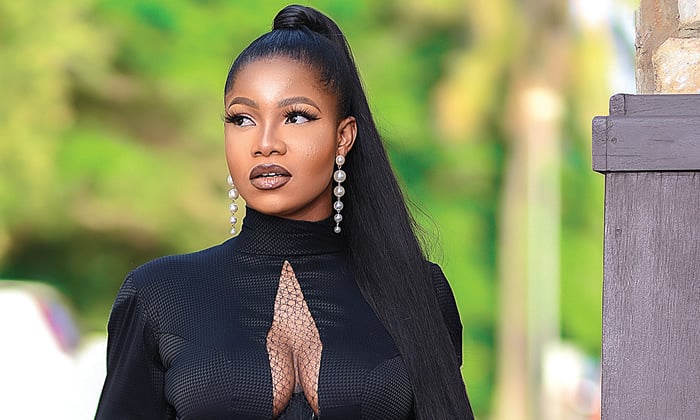
In a pointed condemnation of false rape accusations, former Big Brother Naija contestant Natasha Akide, widely known as Tacha, has called for greater accountability from those who fabricate sexual assault claims. Her comments come amid growing concerns about the impact of false allegations on legitimate victims seeking justice.
Speaking in a video shared with her followers on Instagram Thursday, Tacha addressed the serious nature of sexual assault allegations and the damage caused when such claims are weaponized falsely. Her statement was prompted by a recent case involving a TikTok user named Mirabel, who publicly admitted to fabricating rape accusations.
“Rape is a very serious issue. Women should never weaponize rape for any reason, because at the end of the day, you are taking away from the real victims,” Tacha stated in her video message, emphasizing the broader consequences of false allegations.
The reality television personality and social media influencer argued that fabricated claims create additional barriers for genuine victims of sexual assault, who already face significant challenges in the justice system. According to Tacha, false accusations provide ammunition to rape apologists and contribute to a culture of disbelief surrounding sexual assault reports.
Taking a firm stance, she advocated for consequences for those who knowingly make false allegations: “If any girl comes out to accuse a guy falsely of raping her, I honestly think she should be taught a lesson.” While acknowledging that mental health issues may play a role in some false reporting cases, she maintained that accountability measures remain necessary to underscore the gravity of such fabrications.
Nigeria, where Tacha rose to prominence through the popular Big Brother Naija reality show, has grappled with sexual violence issues for years. According to a 2020 report by the United Nations, only about 10 percent of rape cases in the country are reported, with even fewer resulting in convictions. This statistical reality adds weight to concerns that false allegations might further discourage reporting and justice-seeking behavior.
Tacha was careful to balance her criticism of false allegations with affirmation of the reality faced by genuine victims. “I am not going to back down from the fact that women still do get raped. I am not going back down from the fact that there are real victims out there,” she stated, demonstrating awareness of the complex dynamics surrounding sexual assault discussions.
The influencer also highlighted the emotional and psychological impact of false allegations on those wrongly accused. She noted that such accusations can “toy with your mental health,” creating lasting damage to reputations and well-being. Social psychology research has consistently shown that false accusations, particularly of a sexual nature, can cause profound psychological trauma similar to other significant life stressors.
Her comments enter a contentious space in public discourse, where advocates for sexual assault survivors and those concerned about due process rights often find themselves at odds. Sexual violence awareness groups maintain that false reporting is statistically rare, while legal advocates emphasize the presumption of innocence in all criminal matters.
Tacha’s statement reflects growing calls for nuanced approaches to sexual assault allegations that both protect genuine victims and prevent misuse of serious claims. As a public figure with considerable influence among young Nigerians, her intervention adds a significant voice to ongoing conversations about how society should handle sexual violence allegations responsibly.
The case highlights broader tensions in how digital platforms intersect with serious criminal allegations, as social media increasingly serves as both a venue for public accusation and potential vindication.
Fact Checker
Verify the accuracy of this article using The Disinformation Commission analysis and real-time sources.

7 Comments
Fabricated sexual assault claims are incredibly damaging. Tacha is speaking up for the real victims who deserve to have their voices heard and their trauma taken seriously. This is an important issue that deserves more attention.
I agree. False accusations can erode public trust and make it harder for true victims to come forward. Tacha is showing real leadership by addressing this problematic behavior.
While I applaud Tacha for speaking out against false rape allegations, I hope she also emphasizes the importance of believing and supporting genuine victims. This is a delicate issue that requires empathy, diligence, and a commitment to fairness for all involved.
That’s a fair point. Condemning false claims should not come at the expense of neglecting the very real struggles of sexual assault survivors. A nuanced approach focused on truth and justice is crucial.
Tacha’s message is a powerful reminder that we must be responsible and honest when making serious allegations. False claims undermine the fight against sexual violence and take away from those who have truly suffered. This is a complex issue that requires nuance and care.
Rape and sexual assault are heinous crimes, and we should treat all allegations with the gravity they deserve. However, Tacha is right to call out fabricated claims, as they can delegitimize real victims and obstruct the pursuit of justice. This is a sensitive topic that requires a balanced approach.
Tacha is right to condemn false rape allegations. They are a serious issue that can undermine legitimate victims seeking justice. We need to be vigilant against weaponizing such claims, which only creates more barriers for real victims.