


Listen to the article
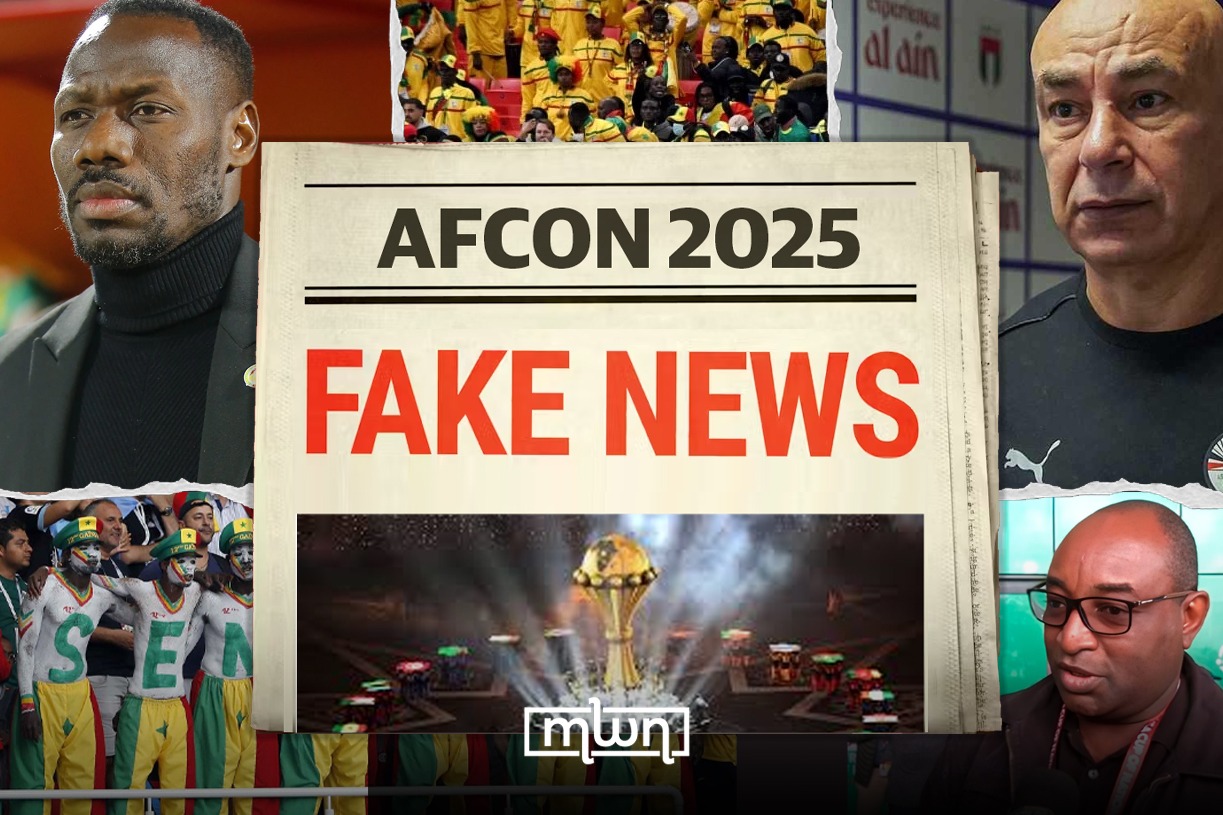
African Nations Cup 2025 Became Breeding Ground for Misinformation
The Africa Cup of Nations 2025, recently hosted in Morocco, became an unexpected battleground for misinformation as social media accounts and some news outlets exploited the tournament to spread false narratives that reached millions across the continent and beyond.
What began as a celebration of African football quickly devolved into a showcase of how digital misinformation thrives during major events. From fabricated deaths to doctored videos, the tournament saw a disturbing array of false claims that gained traction through repetition and algorithmic amplification.
“When a false report goes viral, many respond by assuming it must hold some truth, precisely because ‘everyone online’ seems to say the same thing,” noted one media analyst who tracked the phenomenon. This circular reinforcement blurred lines between rumor and fact, undermining legitimate reporting and creating unnecessary tensions between nations.
Among the most damaging fabrications was the false claim that a security guard struck by Senegalese fans during the Morocco-Senegal final had died. The rumor spread rapidly until Morocco’s General Directorate of National Security (DGSN) issued a formal statement confirming no such death had occurred.
Similarly, Senegalese media outlet Senenews reported the alleged killing of a Senegalese fan in Morocco, citing only “information circulating on social media” rather than verifiable sources. Moroccan authorities later confirmed this was false, noting that while an unidentified sub-Saharan man’s body had been found in Sale, it showed no signs of violence.
Another persistent falsehood claimed Malian journalist Sumare Mohamed Cheikh Tidiane had died under suspicious circumstances after criticizing refereeing decisions in Morocco’s matches. An official investigation by the Attorney General at Rabat Court of Appeal concluded he had died of natural causes related to pulmonary embolism and high blood pressure.
The tournament also saw sophisticated disinformation techniques deployed, including AI-generated deepfake videos showing referees allegedly apologizing to teams for bad calls and officials accusing Morocco of favoritism. Radio France Internationale identified visual inconsistencies exposing these as artificial, but not before they had reached millions of viewers.
The spread of misinformation extended to claims about Senegalese players being deliberately poisoned before the final. While players Krépin Diatta, Pape Matar Sarr, and Ousseynou Niang did withdraw due to illness, there was no medical evidence of poisoning, yet the rumor persisted through conspiratorial post-match remarks and social media amplification.
French weekly Le Point published unverified claims that businesses owned by sub-Saharan Africans in Morocco were attacked during the tournament, allegations the DGSN categorically denied as “entirely fabricated and contrary to reality on the ground.”
Even purported quotes from football luminaries were fabricated, with a statement falsely attributed to former Arsenal manager and FIFA technical director Arsene Wenger suggesting “an entire continent stands against Morocco” circulating widely despite no evidence he ever made such remarks.
Media analysts point to several factors driving this phenomenon. “The tournament intersected with deeper anxieties about Morocco’s expanding strategic influence beyond football – economically, diplomatically, and culturally,” said one regional expert. “Such ascent has proven unsettling for some stakeholders in the region and beyond.”
Spanish media outlets reportedly amplified incidents to question Morocco’s readiness to co-host the 2030 World Cup, while some Arab and African outlets promoted narratives casting Morocco as “insufficiently African” or “paternalistic.”
The situation highlights how major sporting events increasingly serve as vectors for misinformation campaigns with political undertones. Tournament organizers faced the dual challenge of managing a successful sporting competition while simultaneously combating waves of false information designed to undermine the host nation’s reputation.
As football fans celebrated Senegal’s ultimate victory in the tournament, the parallel battle against misinformation underscored a growing challenge for event organizers worldwide: protecting not just physical security but informational integrity in an age when digital falsehoods can spread faster than any fact-checking operation can address them.
For Morocco, which had invested significantly in infrastructure and security to make the tournament a showcase of its capabilities, the wave of misinformation represented an unexpected challenge to its public diplomacy efforts, demonstrating how sporting events now exist in both physical stadiums and the digital information space, with victory in the latter sometimes proving more elusive than on the pitch.
Fact Checker
Verify the accuracy of this article using The Disinformation Commission analysis and real-time sources.

14 Comments
The fabricated claims about deaths and violence are deeply concerning. We must all be vigilant in verifying information and not contributing to the spread of harmful misinformation, even inadvertently.
Absolutely. Fact-based reporting and robust debunking efforts are essential to combating this problem. The integrity of major events like the AFCON must be protected.
This is a troubling example of how social media can be weaponized to spread false narratives, even around something as exciting as a major football tournament. We must all be more vigilant in verifying claims before sharing them.
Agreed. The circular reinforcement of misinformation is a real challenge that undermines trust and informed discourse. Fact-checking and debunking efforts are crucial to combat this issue.
As someone with a keen interest in African football, I find it disheartening to see the AFCON tournament become a battleground for misinformation. We must do more to safeguard the truth and the spirit of these events.
The fabricated claims about deaths and violence are very concerning. It’s critical that social media platforms and news outlets work to quickly identify and limit the spread of such harmful misinformation.
Absolutely. Rapid response and debunking is essential to prevent these false narratives from taking hold and creating unnecessary tensions. Fact-based reporting is key.
Disturbing to see how quickly misinformation can spread and be amplified, especially around major events. We must be vigilant in verifying claims before sharing them online.
Agreed. The circular reinforcement of false narratives is a real challenge that undermines trust in reporting. Fact-checking is crucial to combat this problem.
As a fan of African football, I find it deeply concerning to see the AFCON tournament become a breeding ground for misinformation and false claims. We must do more to protect the integrity of these events.
This is a troubling example of how social media algorithms can amplify and spread misinformation, even around major sporting events. Robust fact-checking processes are clearly needed to combat this issue.
Agreed. The blurring of fact and rumor is a real threat to informed discourse. Platforms and media outlets must do more to identify and limit the reach of false claims.
I appreciate the media analyst’s insight on how false reports gain traction through repetition online. It’s a sobering reminder of the challenges we face in maintaining truth and trust in the digital age.
As an avid follower of African football, it’s disheartening to see the AFCON tournament become a breeding ground for misinformation. We must remain vigilant to protect the integrity of these important events.