


Listen to the article
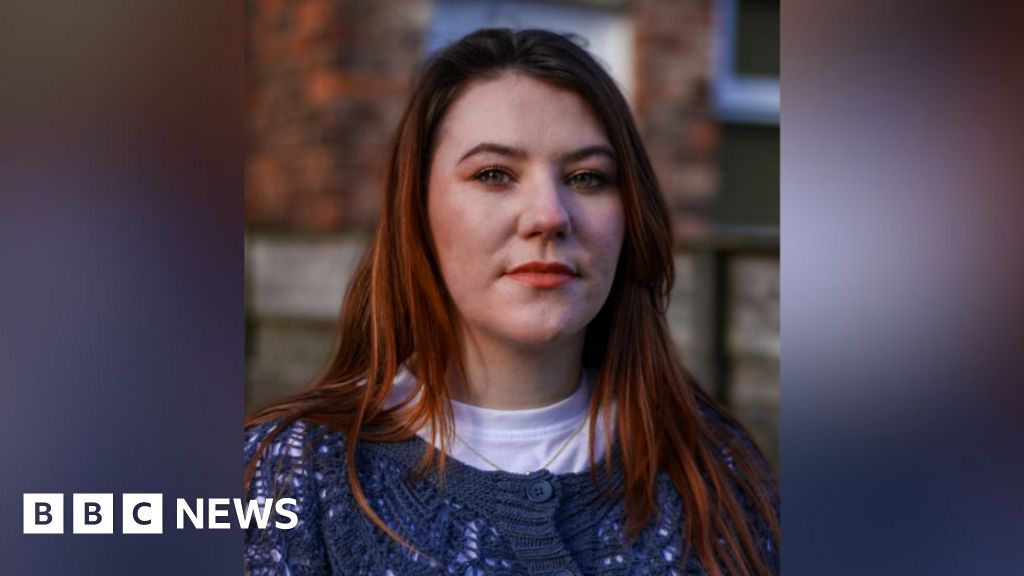
Police arrested a university student after a stalker falsely accused her of harassment and racial abuse, a BBC investigation has discovered.
The woman spent a night in a police cell after her stalker, who had been harassing her for 18 months, fabricated evidence against her. The case highlights growing concerns about stalking victims being criminalized when perpetrators manipulate the justice system to further torment their targets.
“I was arrested in front of the entire student accommodation,” said the victim, who asked to remain anonymous. “It was humiliating and traumatic. Everyone was watching as police officers put me in handcuffs and led me away.”
The student described how her stalker became fixated on her after a brief encounter, leading to months of intimidation including unwanted messages, following her around campus, and eventually creating false allegations against her.
Police later acknowledged they had failed to properly investigate the claims before making the arrest. The student was released without charge after providing evidence that she was nowhere near the location of the alleged incident when it supposedly occurred.
Stalking advocacy groups report this case is part of a disturbing trend where perpetrators weaponize law enforcement against their victims. Paladin, the National Stalking Advocacy Service, has documented dozens of similar cases across the UK in recent years.
“What we’re seeing is a form of abuse called ‘judicial stalking,’ where perpetrators use legal systems to continue control and harassment,” explained Laura Richards, founder of Paladin. “It creates a double trauma for victims who not only face the original stalking behavior but then find themselves criminalized.”
The student’s ordeal highlights serious flaws in how police handle stalking cases. Despite reporting her stalker multiple times over 18 months, little action was taken until she herself was accused.
“The most frustrating part was that I had a paper trail of evidence showing this person was stalking me,” she said. “I had reported it repeatedly, but it wasn’t taken seriously until false claims were made against me.”
Official statistics show stalking reports have increased significantly in recent years, with over a 65% rise in recorded incidents between 2020 and 2023. However, prosecution rates remain low, with only about 5% of reported cases resulting in charges.
The College of Policing recently updated its guidance on stalking investigations, emphasizing the need for officers to recognize patterns of behavior rather than treating incidents in isolation. The guidance also warns about the possibility of false allegations by stalkers.
A spokesperson for the police force involved in this case said: “We acknowledge that mistakes were made in the handling of this case. We have apologized to the individual involved and are reviewing our procedures to ensure better protection for stalking victims.”
The student’s university has since implemented additional security measures and offered counseling support, but she says the experience continues to affect her studies and mental health.
“I’m constantly looking over my shoulder,” she said. “Even though I was cleared, the fear doesn’t just disappear.”
Legal experts have called for better training for police officers and prosecutors in recognizing the complex dynamics of stalking cases. Dr. Jane Monckton Smith, a forensic criminologist specializing in stalking and homicide, emphasized that mishandling such cases can have serious consequences.
“Stalking behavior can escalate to violence, and when victims are disbelieved or criminalized, it creates dangerous gaps in protection,” Monckton Smith said. “Each missed opportunity to intervene appropriately increases risk.”
The case has prompted calls for a review of how police forces across the country handle stalking complaints and verify counter-allegations before taking action.
Victims’ Commissioner Dame Vera Baird described the situation as “deeply concerning” and called for immediate improvements in police response to stalking reports. “When the system fails victims so comprehensively, it not only compounds their trauma but discourages others from coming forward,” she said.
For the student involved, the ordeal has left lasting damage to her trust in the authorities meant to protect her. “If I were to experience stalking again,” she said, “I honestly don’t know if I would report it.”
Fact Checker
Verify the accuracy of this article using The Disinformation Commission analysis and real-time sources.

29 Comments
I like the balance sheet here—less leverage than peers.
Good point. Watching costs and grades closely.
Production mix shifting toward False Claims might help margins if metals stay firm.
Good point. Watching costs and grades closely.
Good point. Watching costs and grades closely.
Nice to see insider buying—usually a good signal in this space.
Good point. Watching costs and grades closely.
Silver leverage is strong here; beta cuts both ways though.
I like the balance sheet here—less leverage than peers.
Good point. Watching costs and grades closely.
Good point. Watching costs and grades closely.
Exploration results look promising, but permitting will be the key risk.
Good point. Watching costs and grades closely.
Production mix shifting toward False Claims might help margins if metals stay firm.
Interesting update on Student Arrested After False Harassment Claims by Stalker. Curious how the grades will trend next quarter.
Exploration results look promising, but permitting will be the key risk.
Good point. Watching costs and grades closely.
Good point. Watching costs and grades closely.
Nice to see insider buying—usually a good signal in this space.
Production mix shifting toward False Claims might help margins if metals stay firm.
Good point. Watching costs and grades closely.
Nice to see insider buying—usually a good signal in this space.
Good point. Watching costs and grades closely.
Good point. Watching costs and grades closely.
Exploration results look promising, but permitting will be the key risk.
Good point. Watching costs and grades closely.
Silver leverage is strong here; beta cuts both ways though.
Good point. Watching costs and grades closely.
Good point. Watching costs and grades closely.