


Listen to the article
South Korea’s antitrust regulator has imposed a hefty fine of 71 million won (approximately US$52,000) on Samjjeomsam, a major tax refund service provider, for making false advertising claims that misled foreign tourists about tax refund services.
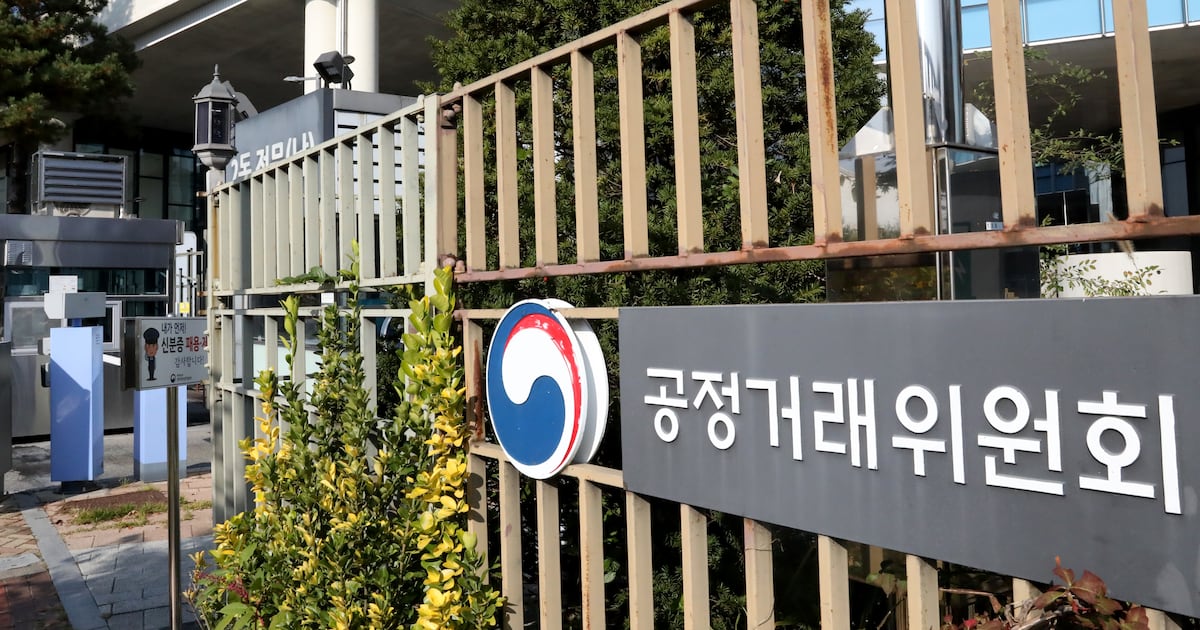
The Korea Fair Trade Commission (KFTC) announced the penalty on Sunday after determining that Samjjeomsam had engaged in deceptive business practices between January 2022 and February 2023. The company falsely advertised that tourists could receive tax refunds exclusively through their service at various locations including Incheon International Airport.
In reality, foreign visitors to South Korea have multiple options for obtaining value-added tax (VAT) refunds when departing the country. These include services offered by competing tax refund operators as well as direct refund counters operated by Korean customs authorities.
The KFTC investigation revealed that Samjjeomsam’s misleading advertisements appeared on digital signage throughout key tourist areas in Seoul, including popular shopping districts such as Myeongdong and Dongdaemun. The advertisements, displayed in multiple languages including English and Chinese, created the false impression that their service was the only legitimate channel for processing tax refunds.
“This type of misleading advertising seriously undermines fair competition in the tax refund service industry and creates confusion among foreign tourists about their options,” said a KFTC spokesperson. “We take these violations seriously as they not only harm competing businesses but also potentially damage South Korea’s reputation as a transparent destination for international visitors.”
South Korea’s tax refund system for tourists is an important element of the country’s retail tourism sector. Foreign visitors who make purchases above certain thresholds at participating stores can receive VAT refunds when departing the country, typically ranging between 8-10% of their purchase value. The system is designed to boost tourism spending, particularly in the retail sector.
The tax refund service industry in South Korea has grown significantly over the past decade, paralleling the country’s rise as a shopping destination for tourists from China, Japan, Southeast Asia, and beyond. Several companies compete in this space, including Global Tax Free and Global Blue, alongside Samjjeomsam.
Market analysts note that competition has intensified in recent years, particularly as tourism numbers rebounded following pandemic-era restrictions. This competitive pressure may have contributed to more aggressive marketing tactics by some operators.
“The tax refund business is highly lucrative, with service providers earning commissions from both retailers and taking a percentage of refund amounts,” explained Kim Min-ho, a retail industry analyst at Korea Investment Securities. “As tourism numbers grow, we’re seeing more aggressive tactics to capture market share in this space.”
This is not the first time South Korean authorities have cracked down on deceptive practices in the tourist service sector. In recent years, the government has strengthened oversight of businesses catering to international visitors as part of broader efforts to enhance the country’s appeal as a transparent and visitor-friendly destination.
The KFTC ruling requires Samjjeomsam to cease all misleading advertisements immediately and implement compliance measures to prevent similar violations in the future. The company has the right to appeal the decision within 30 days.
Industry observers suggest this case could signal broader regulatory scrutiny of the tax refund service sector. “This fine sends a clear message that the KFTC is monitoring this industry closely,” said Park Ji-won, a consumer rights advocate. “Companies need to ensure their marketing claims are accurate and transparent, especially when dealing with foreign visitors who may have limited understanding of local systems and their rights as consumers.”
Tourism industry representatives have welcomed the ruling, noting that transparent business practices are essential for South Korea’s long-term reputation as a premium shopping destination in Asia. The country’s tourism sector has identified shopping as a key driver for visitor spending, with luxury goods and K-beauty products being particularly popular among international travelers.
Fact Checker
Verify the accuracy of this article using The Disinformation Commission analysis and real-time sources.

9 Comments
This case highlights the importance of effective market regulation and consumer protection, even in seemingly mundane industries like tax refund services. Well done to the KFTC for investigating and taking appropriate action.
Agreed. Vigilant oversight is crucial to maintain a fair and trustworthy marketplace, especially for cross-border transactions involving tourists.
This fine seems appropriate. Misleading tourists about tax refund services is unethical and harms consumer trust. It’s good to see the South Korean authorities taking action to protect visitors and ensure fair competition.
Interesting that the company was fined for misleading ads across multiple languages. It seems they were deliberately trying to take advantage of foreign visitors. I’m curious to know if this is an isolated incident or part of a broader issue in the tax refund industry in South Korea.
It’s concerning to hear about these kinds of deceptive tactics targeting international visitors. Tourists should be able to rely on getting accurate information about their tax refund options. This penalty seems justified to deter similar behavior.
False advertising can be a big problem, especially for international tourists who may not be familiar with all the options available. I’m glad the regulators stepped in to address this case of deceptive practices.
Absolutely. Tourists deserve accurate information to make informed decisions. Hopefully this penalty will discourage similar behavior in the future.
A 71 million won fine is substantial. It sends a strong message that this type of deceptive marketing will not be tolerated. Protecting consumer rights is important, especially for international travelers who may be more vulnerable to such tactics.
While tax refund policies can be complex, companies have an obligation to provide accurate information. I hope this penalty encourages Samjjeomsam and other players in the industry to be more transparent and ethical in their practices going forward.