


Listen to the article
Climate scientists are fighting back against a wave of misinformation circulating on social media, particularly claims that downplay the increasing frequency of extreme weather events linked to climate change.
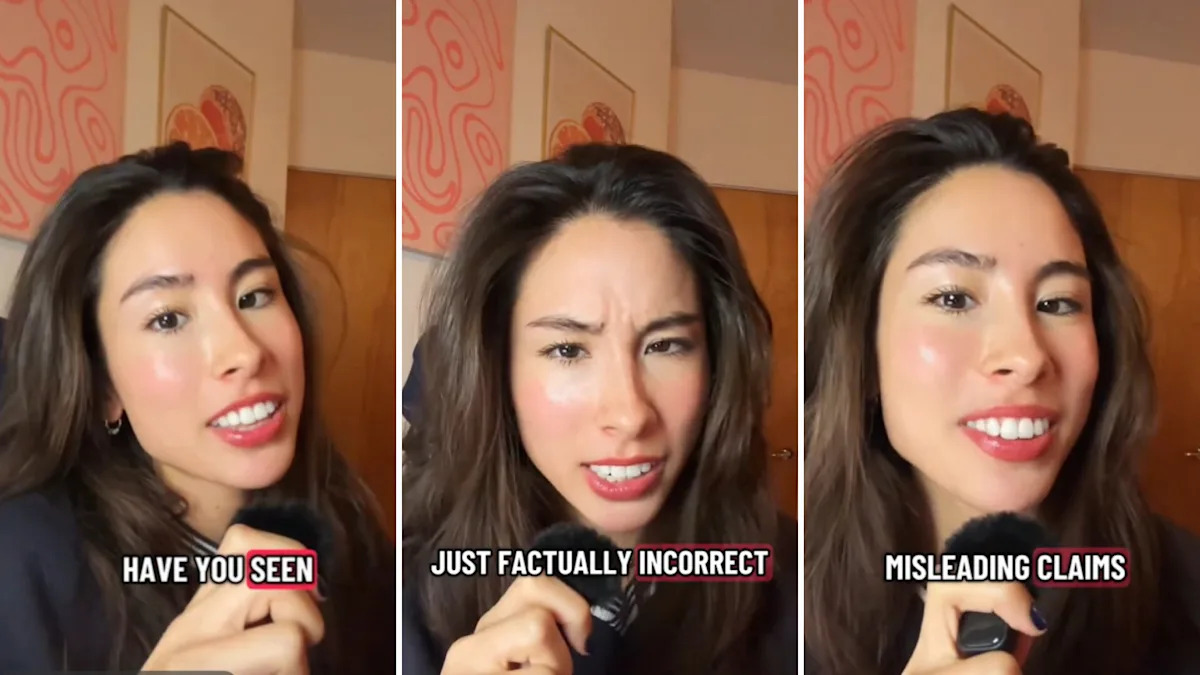
A recent TikTok response by a climate negotiator, identified as “Lia and the World,” directly addressed false statements made by a self-described former climate advocate who incorrectly claimed that the UN Intergovernmental Panel on Climate Change (IPCC) had reported no increase in extreme weather events.
“The IPCC and thousands of climate scientists for decades literally say the opposite,” the TikTok post countered. “Heatwaves, floods, extreme precipitation, and others are all rising in intensity and/or frequency and clearly linked to human activity. The facts are there; they’re just hoping you don’t read them.”
The IPCC’s position, as stated in its 2023 sixth assessment synthesis report, is unambiguous: “Evidence of observed changes in extremes such as heatwaves, heavy precipitation, droughts, and tropical cyclones, and, in particular, their attribution to human influence, has strengthened since [the fifth assessment report].”
This scientific consensus comes at a critical time when climate misinformation continues to spread across various platforms, sometimes from individuals who claim previous involvement in climate advocacy. Climate scientists and communicators are increasingly having to combat this misinformation directly on the same platforms where it spreads.
Beyond the IPCC, other authoritative scientific bodies including NASA and the World Meteorological Organization have consistently affirmed the connection between human activity—particularly the burning of fossil fuels like coal and gas—and the increasing severity and frequency of extreme weather events worldwide.
These aren’t merely academic concerns. The real-world impacts of these escalating extreme weather events are already being felt globally. Communities are experiencing displacement of vulnerable populations, including older adults, while devastating floods are becoming more common across multiple continents.
The economic implications are equally concerning. Insurance premiums are rising in high-risk areas, electricity costs spike during extreme temperature events, and basic necessities become more expensive as supply chains are disrupted by unpredictable weather patterns. Experts project these costs will continue to climb as these events become more frequent and severe.
Despite overwhelming scientific evidence, climate change denial and misleading information persist. Social media has become both a battleground for misinformation and a platform for scientific rebuttal, with climate communicators like Lia using these channels to directly counter false claims with factual information.
The response to these efforts appears positive, with commenters expressing gratitude for the detailed rebuttals. “Thanks for making these rebuttal videos!” wrote one viewer, highlighting the public’s desire for factual information amid the noise of social media discourse.
This online clash reflects the broader challenge facing climate science communication today: how to effectively convey established scientific consensus in a media environment where misleading claims can spread rapidly and where some deliberately misrepresent scientific findings.
As global temperatures continue to rise and extreme weather events become more frequent, the scientific community remains steadfast in its assessment that human activity is the primary driver of these changes. The challenge now lies in ensuring this message reaches the public despite deliberate attempts to distort the scientific consensus.
Fact Checker
Verify the accuracy of this article using The Disinformation Commission analysis and real-time sources.

14 Comments
The scientific consensus on the link between climate change and extreme weather is overwhelming. I’m glad to see climate scientists pushing back against the misinformation and setting the record straight.
Agreed. It’s crucial that we rely on authoritative, evidence-based sources like the IPCC when it comes to understanding the impacts of climate change.
It’s disappointing to see false statements being made about the IPCC’s findings. The evidence is clear that extreme weather events are intensifying due to human-caused climate change. We need to take this seriously and respond accordingly.
Exactly. Ignoring the science or downplaying the risks is simply irresponsible. We have to confront the reality of the situation and work towards solutions.
It’s good to see scientists fighting back against misinformation. We need clear, evidence-based information on the reality of climate change and extreme weather trends. Transparency and honesty are crucial for addressing this global challenge.
I agree, the IPCC’s findings are unambiguous. We can’t ignore the science or the warnings about the growing intensity and frequency of extreme events.
The IPCC’s latest report reaffirms the strong link between human activity and the increase in extreme weather. It’s important we heed these warnings from the scientific community and take decisive action on climate change.
Absolutely. Downplaying the facts or spreading misinformation is extremely counterproductive. We need to confront the reality of the situation head-on.
The IPCC’s findings on the increasing frequency and intensity of extreme weather events are clear and unambiguous. It’s crucial that we heed these warnings and take decisive action to address the root causes of climate change.
I agree. Ignoring the science or downplaying the risks is simply not an option. We have a responsibility to respond to the reality of the situation and work towards sustainable solutions.
This is a concerning example of how misinformation can spread, even from those who claim to be advocates. I’m glad the climate scientists are pushing back and emphasizing the scientific consensus on this critical issue.
Agreed. Maintaining public trust in the science is crucial. We can’t let false claims undermine the urgent need for climate action.
This is a concerning example of how easily misinformation can spread, even from those who claim to be advocates. I’m glad the climate scientists are taking a firm stand and emphasizing the scientific facts.
Absolutely. We need to be vigilant in countering false claims and ensuring that the public has access to accurate, reliable information on this critical issue.