


Listen to the article
Americans Warned About Fake “$2,000 Trump Tariff Dividend” Email Scam
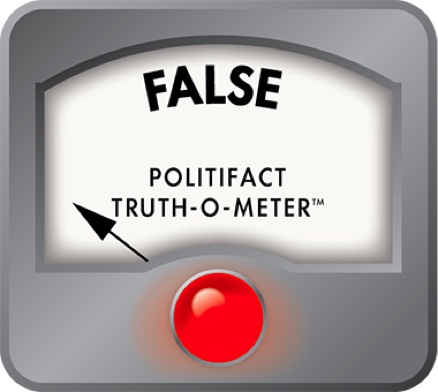
Recent email advertisements claiming recipients can secure a “$2,000 tariff payout” from President Donald Trump are misleading Americans and potentially putting them at risk of cybersecurity threats, according to security experts and government officials.
The emails, sent by a group calling itself “Major Gross Profit,” urge readers to “act now” to claim what they describe as Trump’s “$2,000 tariff dividend.” The message suggests the money is currently available and that “the first checks are just the beginning,” prompting confusion among recipients about whether government payments are actually forthcoming.
Security experts have flagged these communications as potential scams. Steven Weisman, a law professor at Bentley University specializing in cybersecurity threats, warned that clicking links in these emails could expose users to malware or identity theft schemes. Idaho Attorney General Raúl Labrador recently issued a consumer alert specifically warning about similar messages, stating bluntly: “Any message claiming you must respond to receive a payment is a scam.”
When cybersecurity experts investigated the links contained in these emails, they found the messages redirect to websites promoting gold investments rather than any official government program. The parent company behind the emails, identified as Finance and Investing Traffic, LLC, has accumulated numerous complaints with the Better Business Bureau regarding spam tactics.
While President Trump did announce plans in November to distribute tariff revenues to Americans as dividends, no such program has been implemented. During a November 9 social media post, Trump stated he would use tariff revenue to issue “a dividend of at least $2,000 a person (not including high income people!)” – a pledge he has repeated in subsequent appearances, including remarks to reporters on January 20.
“We have so much money coming in from tariffs… we will be able to make a very substantial dividend to the people of our country,” Trump said in his most recent comments.
The Trump administration has implemented significant tariffs on imports from various countries, potentially generating substantial revenue. According to analysis from the Penn Wharton Budget Model, these tariffs could collect approximately $189 billion more in 2025 than in 2024. The Tax Foundation projects these tariffs could raise up to $2.2 trillion in federal revenue over the next decade, though this figure could fluctuate based on economic factors and responses from foreign nations.
However, key details about any potential dividend program remain unclear. The administration has not specified income eligibility requirements or provided an implementation timeline. Distributing $2,000 to all 340 million Americans would cost approximately $680 billion – a significant portion of projected tariff revenues.
Questions also remain about the legal mechanisms for such payments. Kevin Hassett, whom Trump appointed as director of the National Economic Council, suggested in December that congressional approval might be necessary. Trump has publicly disagreed with this assessment, stating on January 20: “I don’t think we would have to go to Congress, but we’ll find out.”
The legality of Trump’s tariff actions themselves faces challenges. The U.S. Supreme Court is currently considering whether Trump’s use of the International Emergency Economic Powers Act to impose tariffs without congressional approval is constitutional. An adverse ruling could force the government to return tariff revenues, potentially reducing funds available for any dividend program.
If the administration does eventually issue payments, historical precedent suggests they would come directly from the government rather than through third parties. During the COVID-19 pandemic, stimulus payments under the Trump administration were issued directly to taxpayers’ bank accounts using data from tax returns, with the IRS providing guidance to those who hadn’t filed taxes.
“Funds distributed digitally are distributed as direct deposits to taxpayer accounts at financial institutions, not processed by a third party,” explained Alex Muresianu, senior policy analyst at Tax Foundation.
The White House, IRS, and Treasury Department have not provided additional details about any forthcoming tariff dividend program, leaving a vacuum of information that scammers appear eager to exploit.
Fact Checker
Verify the accuracy of this article using The Disinformation Commission analysis and real-time sources.

15 Comments
It’s troubling to see scammers exploiting people’s economic anxieties during the pandemic. Kudos to the authorities for quickly issuing this alert to help safeguard the public.
Absolutely. Staying informed about emerging scams is the best way for people to avoid falling victim to these kinds of predatory tactics.
It’s disheartening to see scammers exploiting people’s economic vulnerabilities during the pandemic. This alert underscores the importance of verifying the legitimacy of any unsolicited financial offers.
This is a sobering reminder that we must all remain vigilant against financial fraud, especially when it involves claims of government payments or assistance. Verifying the source is key.
Fraudulent claims of government payouts are always a red flag. It’s concerning to see scammers exploiting people’s financial anxieties during this challenging time.
This is an important warning about a particularly insidious scam. Kudos to the authorities for swiftly alerting the public and providing guidance on how to avoid falling victim.
Absolutely. Remaining vigilant and scrutinizing any suspicious communications is crucial for protecting oneself against these kinds of predatory tactics.
This is a timely warning about a particularly deceptive scam targeting Americans. It’s concerning that malicious actors are exploiting people’s hopes for financial relief during these challenging times.
I’m glad the authorities are proactively alerting the public about this. Clicking on suspicious links can have serious consequences, so it’s crucial to be cautious.
This is a concerning development, as scams can undermine public trust and put innocent people at risk of financial harm or identity theft. Vigilance is key when it comes to suspicious online activity.
I agree. Cybersecurity experts play a vital role in identifying and warning about these kinds of deceptive schemes. Their guidance is crucial for protecting vulnerable individuals.
Scams like this are unfortunately all too common, but it’s encouraging to see government agencies and security experts working to raise awareness and protect the public. Diligence is crucial.
Well said. Heeding the advice of trusted authorities is the best way for people to avoid falling victim to these kinds of deceptive schemes.
Fraudulent claims of government payouts are always a red flag. It’s important for people to verify the legitimacy of any unsolicited financial offers before taking action.
Absolutely. Responsible consumers should be wary of any communication that pressures them to respond quickly in order to receive money. That’s a classic scam tactic.