


Listen to the article
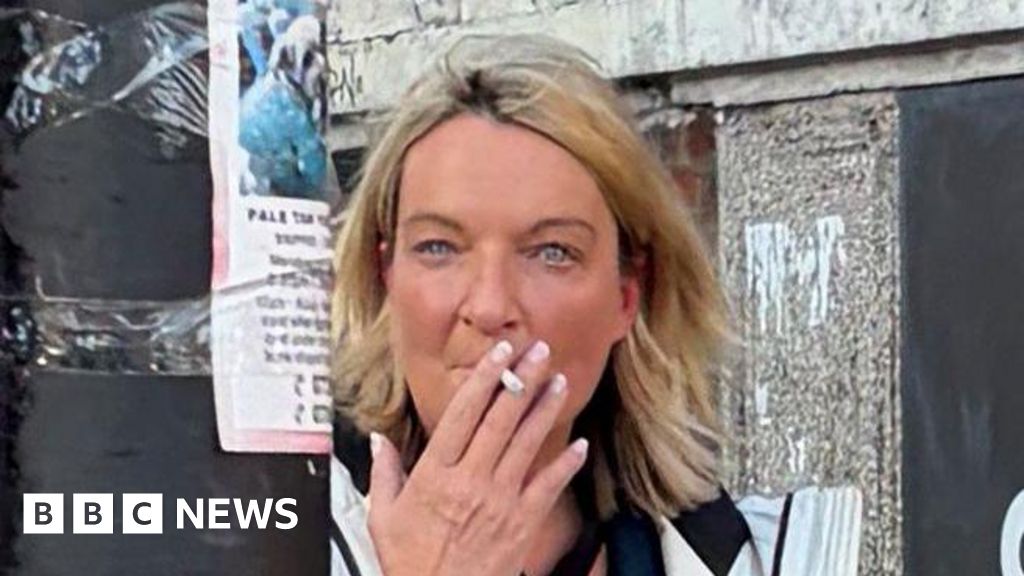
A saleswoman who falsified a doctor’s letter to secure paid medical leave under the pretense of cancer treatment has been ordered to pay compensation to her former employer.
Angela Skinner, a 53-year-old sales representative at Southern Conservatories, created a fraudulent medical document that appeared to be from Queen Alexandra Hospital in Portsmouth. The letter claimed she required time off work to undergo cancer treatment, prompting her employer to grant her paid leave.
The deception came to light when Skinner’s manager, David Edwards, grew suspicious about the document’s authenticity. Upon closer inspection, he noticed several irregularities in the letterhead and formatting that didn’t align with official hospital correspondence. When Edwards contacted the hospital to verify the letter, medical staff confirmed it was counterfeit and that no such treatment plan existed for Skinner.
According to court documents, Skinner had worked for the Hampshire-based conservatory company for approximately three years before the incident. Colleagues described her as a reliable employee with a strong sales record, making her fraudulent behavior all the more shocking to the workplace community.
The employment tribunal in Southampton heard that Skinner had initially requested time off for medical appointments in March 2023, citing concerns about her health. When pressed for documentation to support her extended absence request, she submitted the falsified letter, which purportedly bore the signature of an oncologist who didn’t exist.
“Falsifying medical documents represents a profound breach of trust between employer and employee,” said Employment Judge James Dawson in his ruling. “Such actions not only constitute fraud but also trivialize the genuine suffering of cancer patients who require workplace accommodations for their treatment.”
Southern Conservatories terminated Skinner’s employment immediately after discovering the deception, citing gross misconduct. The company subsequently filed a claim for compensation to recover the wages paid during her fraudulent leave period.
The tribunal ruled in favor of the employer, ordering Skinner to pay £4,825 in compensation, representing the full amount of her fraudulently obtained wages plus the company’s legal costs.
This case highlights the growing challenge employers face in verifying medical documentation while respecting employee privacy. According to the Chartered Institute of Personnel and Development (CIPD), incidents of falsified sick leave documentation have increased by approximately 15 percent in the UK over the past five years.
“Employers must strike a delicate balance between supporting employees with genuine health concerns and implementing verification processes to prevent fraud,” said Margaret Collins, an employment law specialist at Fielding & Matthews Solicitors. “This case demonstrates why companies increasingly feel compelled to verify medical documentation, especially for extended leave requests.”
Cancer charities have also expressed concern about the case. Macmillan Cancer Support spokesperson Claire Thompson noted that such incidents can potentially harm those with legitimate diagnoses.
“When someone falsifies cancer diagnosis documentation, it can create an atmosphere of skepticism that ultimately harms genuine patients who already face significant challenges in managing their work lives during treatment,” Thompson said.
Workplace fraud experts suggest that employers can protect themselves by establishing clear policies for medical leave verification while maintaining compliance with privacy regulations. This might include direct communication channels with medical providers, use of occupational health services, or requiring specific documentation formats that are more difficult to falsify.
Skinner did not attend the tribunal hearing and has made no public comment on the ruling. Her legal representatives indicated she would not be appealing the decision.
Employment tribunals have seen an uptick in similar cases involving falsified medical documentation in recent years, reflecting broader trends in workplace fraud that experts attribute partly to economic pressures and the increasing ease of document manipulation through digital means.
Fact Checker
Verify the accuracy of this article using The Disinformation Commission analysis and real-time sources.

13 Comments
Falsifying medical documentation for personal gain is highly unethical, regardless of the circumstances. While the details are unclear, this case highlights the importance of honesty and integrity in the workplace. Hopefully, the required compensation will serve as a deterrent against such deceptive practices in the future.
This is a concerning case of corporate fraud. While the details are unclear, faking a doctor’s note to secure paid leave is a clear violation of policies and ethics. Hopefully, the required compensation serves as a deterrent against such deceptive practices in the future.
Absolutely. Businesses need to be able to trust their employees, so this kind of behavior is a serious breach of that trust. Hopefully the punishment sends a strong message.
This is a concerning case of corporate fraud. Faking a doctor’s note to secure paid leave is a clear violation of trust and ethics. Businesses need to be able to rely on the honesty of their employees, so the consequences in this case appear justified. Hopefully, this will encourage others to be transparent and accountable in the workplace.
I agree. Falsifying documents is a serious breach of trust that damages workplace culture. The required compensation seems appropriate given the severity of the offense.
Falsifying medical documentation for personal gain is highly unethical. While the saleswoman may have had extenuating circumstances, deceiving her employer was a serious breach of trust. Hopefully, this serves as a lesson that honesty and integrity are paramount, even in difficult situations.
I agree. Falsifying documents to fraudulently obtain time off is a clear abuse of company policies and the trust placed in employees. The consequences here are warranted.
This is a concerning case of corporate fraud. While the specific circumstances are unclear, falsifying medical documentation to secure paid leave is a clear violation of trust and ethics. Hopefully, the required compensation will serve as a deterrent against such deceptive practices in the future.
This is a disappointing situation. While the details are unclear, faking a doctor’s note for medical leave is a serious breach of trust and unethical behavior. Businesses need to be able to rely on the honesty of their employees, so consequences in this case seem warranted.
I agree. Falsifying documents is a clear abuse of company policies and the trust placed in employees. Hopefully, this case will encourage others to be transparent and accountable in the workplace.
This is a cautionary tale about the consequences of fraudulent behavior in the workplace. While the details are unclear, faking a doctor’s note for medical leave is a clear violation of company policies and ethics. Hopefully, this case will serve as a deterrent against such practices in the future.
I agree. Businesses need to be able to trust their employees, so this kind of deception is a major breach of that trust. The punishment seems appropriate given the severity of the offense.
It’s disappointing to see a seemingly reliable employee resort to such deception. While the reasons are unknown, falsifying medical documentation is a serious offense that damages workplace trust and culture. Hopefully this case will encourage others to be transparent and accountable.