


Listen to the article
Ousted CDC Director Stands Firm on Claims Against Kennedy as Vaccine Policy Dispute Intensifies
Susan Monarez, the recently dismissed director of the Centers for Disease Control and Prevention (CDC), has reaffirmed her position that she was terminated after refusing to implement vaccine policy changes proposed by U.S. Health Secretary Robert F. Kennedy Jr. that she believed contradicted scientific evidence.
In a detailed opinion piece published in the Wall Street Journal, Monarez claimed she had been instructed to pre-approve vaccine recommendations and terminate career CDC officials. She characterized her dismissal as part of a broader strategy to weaken established U.S. vaccine standards that have long been considered the global gold standard for public health protection.
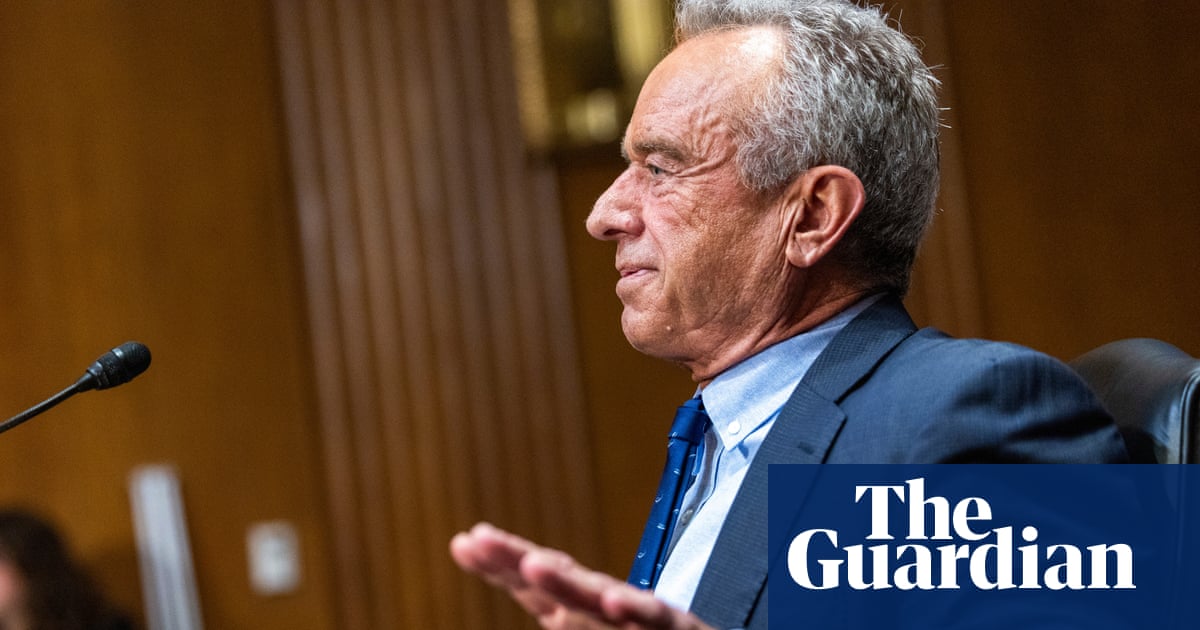
The allegations have sparked a contentious exchange between Monarez and Kennedy, culminating in a heated Senate hearing on Thursday. During his testimony, Kennedy flatly denied Monarez’s account, calling her statements false and insisting he never directed her to pre-approve decisions. He did, however, acknowledge ordering her to fire certain officials—an instruction she reportedly refused to follow.
“Secretary Kennedy’s claims are false, and at times, patently ridiculous. Monarez stands by what she said in her Wall Street Journal op-ed,” her legal representatives stated firmly. They added that Monarez is prepared to repeat her assertions under oath if called upon to do so.
The controversy has caught the attention of prominent lawmakers, with Senators Bernie Sanders and Elizabeth Warren already calling for Monarez to testify before the Senate. Such testimony would be given under oath, potentially escalating the dispute to a more formal legal confrontation.
This high-profile disagreement comes amid growing tensions over public health policy direction in the current administration. Kennedy, long known for his skeptical positions on established vaccine protocols, has faced criticism from the mainstream medical community since his appointment as Health Secretary.
Public health experts have expressed concern that the dispute represents more than a personnel matter but signals a fundamental shift in how the federal government approaches vaccine policy and scientific evidence. The CDC, traditionally operating with significant independence based on scientific consensus, now appears caught in a political struggle over its core mission.
The medical community has largely rallied behind Monarez’s defense of established vaccine protocols. The American Medical Association released a statement expressing concern about “political interference in public health decisions that should be guided by scientific evidence and expert consensus.”
The conflict emerges against a backdrop of declining public confidence in health institutions following the COVID-19 pandemic, with vaccine hesitancy showing troubling increases in certain populations. Health policy analysts worry that high-profile disputes like this could further erode trust in critical public health recommendations.
Congressional oversight committees are now preparing for what could become extensive hearings on the matter. House Oversight Committee Chair James Comer announced plans to investigate “all aspects of the CDC leadership transition and any potential undermining of established scientific protocols.”
For her part, Monarez appears prepared for a prolonged fight to defend both her reputation and her characterization of events leading to her dismissal. Her legal team indicated she has preserved communications and documentation that would support her account if presented in formal proceedings.
As the situation develops, public health advocates are watching closely, concerned that the ultimate outcome could have lasting implications for how the nation’s premier public health agency operates and whether scientific consensus or political considerations will guide future vaccine recommendations.
Fact Checker
Verify the accuracy of this article using The Disinformation Commission analysis and real-time sources.

24 Comments
I like the balance sheet here—less leverage than peers.
Good point. Watching costs and grades closely.
If AISC keeps dropping, this becomes investable for me.
Good point. Watching costs and grades closely.
Good point. Watching costs and grades closely.
If AISC keeps dropping, this becomes investable for me.
Good point. Watching costs and grades closely.
Exploration results look promising, but permitting will be the key risk.
Interesting update on RFK Jr Made False Claims in Senate Testimony, Says Former CDC Director. Curious how the grades will trend next quarter.
The cost guidance is better than expected. If they deliver, the stock could rerate.
Good point. Watching costs and grades closely.
Good point. Watching costs and grades closely.
If AISC keeps dropping, this becomes investable for me.
Good point. Watching costs and grades closely.
Good point. Watching costs and grades closely.
I like the balance sheet here—less leverage than peers.
Interesting update on RFK Jr Made False Claims in Senate Testimony, Says Former CDC Director. Curious how the grades will trend next quarter.
The cost guidance is better than expected. If they deliver, the stock could rerate.
Good point. Watching costs and grades closely.
Good point. Watching costs and grades closely.
Nice to see insider buying—usually a good signal in this space.
Good point. Watching costs and grades closely.
I like the balance sheet here—less leverage than peers.
Exploration results look promising, but permitting will be the key risk.