


Listen to the article
A federal jury in Idaho has ordered a TikTok influencer to pay $10 million in damages for falsely accusing a University of Idaho professor of involvement in the 2022 Moscow quadruple homicide that shocked the nation.
The verdict, delivered on Friday in Latah County, found that Ashley Guillard made defamatory statements claiming that Rebecca Scofield, an Associate Professor of History and Department Chair at the university, had “orchestrated the murder of four students” and “had an inappropriate romantic relationship with a student.”
Guillard, who represented herself throughout the legal proceedings, had gained significant attention on TikTok for videos in which she used tarot card readings to link Scofield to the murders. These videos spread rapidly across social media platforms, accumulating millions of views despite having no factual basis.
U.S. District Court Judge Raymond E. Patricco had previously ruled that Guillard’s statements were defamatory, leaving the jury to determine appropriate damages. After deliberation, jurors awarded $6.5 million for the false murder conspiracy allegations and an additional $3.5 million for claims about an inappropriate student relationship.
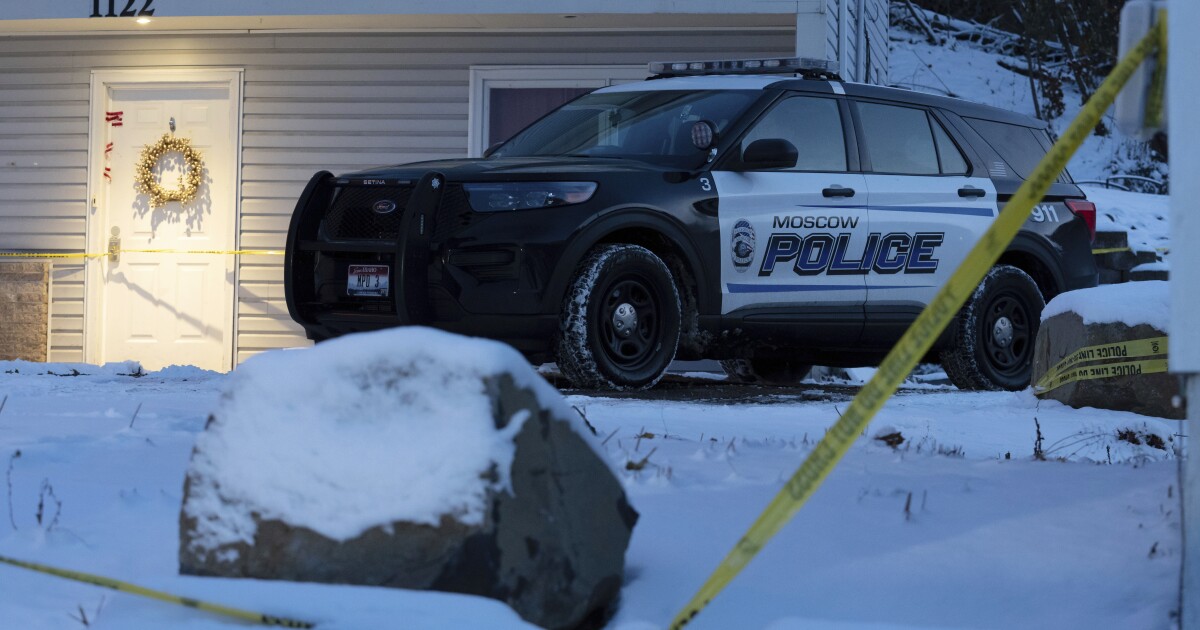
The case highlights the real-world consequences of viral misinformation in the aftermath of the November 2022 tragedy, when four University of Idaho students—Ethan Chapin, Xana Kernodle, Madison Mogen, and Kaylee Goncalves—were fatally stabbed in their off-campus residence. The murders sent shockwaves through the small college town of Moscow and drew national attention.
In the chaotic weeks following the killings, before authorities arrested suspect Bryan Kohberger, speculation ran rampant online. Guillard’s unfounded accusations against Scofield emerged during this period of intense public interest and uncertainty.
“I want to thank the jury for their time and attention to this case,” Scofield said in a statement following the verdict. “The judge had already ruled as a matter of law that the statements were false. The $10 million verdict reinforces the judge’s decision and sends the clear message that false statements online have consequences in the real world for real people and are unacceptable in our community.”
Scofield, who had no connection to the victims or the crime, became an unwitting figure in conspiracy theories surrounding the case. The professor was forced to take legal action as the false accusations began to impact her professional reputation and personal life.
“The murders of the four students on November 13, 2022, was the darkest chapter in our university’s history,” Scofield added. “Today’s decision shows that respect and care should always be granted to victims during these tragedies. I am hopeful that this difficult chapter in my life is over and I can return to a more normal life with my family and the wonderful Moscow community.”
The substantial damages awarded signal courts’ increasing willingness to address harmful content spreading on social media platforms. Legal experts note that the case demonstrates how individuals who use their online influence irresponsibly may face significant financial penalties, even if they lack traditional media credentials.
This verdict comes as the actual murder case against Bryan Kohberger continues to move through the legal system. In a separate recent ruling, Kohberger was ordered to pay $3,000 to the families of the murder victims.
The University of Idaho community continues to heal from the tragedy while navigating its aftermath. The case has prompted broader discussions about responsible social media use, the rapid spread of misinformation during crisis events, and the real harm that can result when unfounded accusations go viral.
For Scofield, the verdict represents vindication after a difficult period under the shadow of false allegations that threatened her reputation and career in academia.
Fact Checker
Verify the accuracy of this article using The Disinformation Commission analysis and real-time sources.

18 Comments
I’m curious to learn more about the professor’s background and how she was wrongly accused. Was there any credible evidence linking her to the murders, or was this purely a malicious smear campaign? Responsible journalism is crucial in these types of cases.
From the details provided, it seems the accusations were completely fabricated and defamatory. The jury’s award of $10 million in damages reflects the serious harm caused by the false claims.
It’s disturbing to see how quickly false information can spread and gain traction on social media. This case highlights the need for better content moderation and fact-checking mechanisms to prevent the propagation of dangerous misinformation.
Absolutely. Social media platforms have a responsibility to quickly identify and remove this type of harmful, unsubstantiated content before it can cause significant damage to individuals and communities.
This case serves as a cautionary tale about the real-world impact of unchecked online misinformation. It’s a sobering reminder that we all have a responsibility to think critically about the content we consume and share, especially on social media.
Absolutely. We must be vigilant in verifying information, especially around serious allegations, before amplifying it online. Spreading unsubstantiated claims can have devastating consequences, as this case clearly demonstrates.
I’m curious to know more about the specific tactics and motivations behind the TikTok influencer’s false claims. Was this a deliberate attempt to gain attention and followers, or was there some other underlying agenda at play? Understanding the root causes of such misinformation is important for developing effective solutions.
That’s a good point. Gaining a deeper understanding of the influencer’s motivations and the mechanics of how the false claims spread could provide valuable insights for addressing this type of misinformation in the future.
While the court’s ruling is a step in the right direction, I wonder what more can be done to prevent the initial spread of such harmful misinformation on social media platforms. Better content moderation and user education may be key to addressing this systemic problem.
That’s a great point. Social media companies need to invest more in proactive measures to identify and remove false claims before they gain traction, as well as educate users on spotting and reporting misinformation.
This case underscores the importance of responsible journalism and fact-checking, especially when reporting on sensitive topics like violent crimes. The rapid spread of unverified claims on social media can have devastating real-world impacts, as we’ve seen here.
Absolutely. Journalists and media outlets have a crucial role to play in verifying information and preventing the amplification of false narratives, even when those narratives gain traction on social platforms. Rigorous fact-checking is essential.
This is a concerning case of the spread of misinformation and false claims on social media. It’s a good reminder of the importance of verifying information, especially around serious crimes, before making accusations that can ruin reputations and lives.
Agreed. The $10 million penalty sends a strong message that there are real consequences for spreading unsubstantiated conspiracy theories, even on platforms like TikTok.
The $10 million penalty is a strong deterrent, but I wonder if there are any other measures that could be taken to prevent similar incidents of online misinformation in the future. Enhanced platform policies, user education, and legal accountability may all have a role to play.
Those are all excellent suggestions. A multi-pronged approach involving platform improvements, public awareness campaigns, and clear legal consequences for egregious cases of misinformation could help mitigate the spread of harmful online content.
I appreciate the court’s decisive action in holding the TikTok influencer accountable for the significant harm caused by her false claims. Spreading misinformation, especially around violent crimes, is a serious offense that should not be tolerated.
Agreed. The $10 million penalty sends a clear message that there are serious consequences for using social media to make unfounded allegations that ruin lives. Accountability is crucial in these cases.