


Listen to the article
Pakistan Rejects Taliban’s Military Post Capture Claims as Fabrications
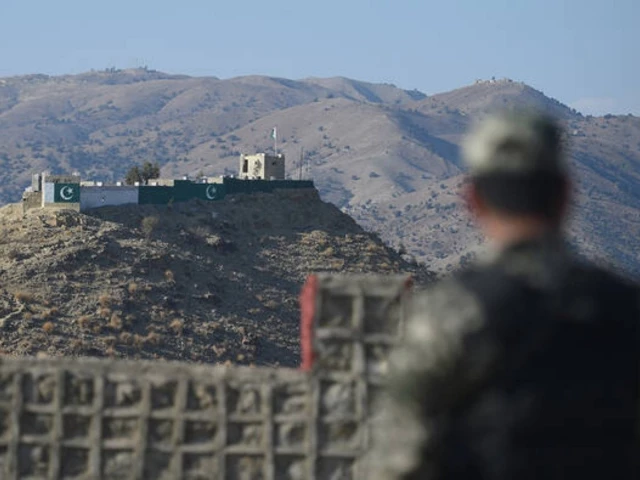
Pakistan’s Ministry of Information and Broadcasting (MOIB) has firmly dismissed recent claims by the Afghan Taliban regime that its forces captured a Pakistani military post and killed 14 soldiers, calling the allegations “false, fabricated and designed to mislead Afghan internal public opinion.”
In a statement released Saturday on the ministry’s social media platform, the fact-checking account of MOIB categorically rejected the Taliban’s assertions, describing them as part of a continuing pattern of unsubstantiated propaganda that consistently fails verification.
“There has been no credible and verifiable evidence of such repeated frivolous claims made by the Taliban outlets,” the ministry stated, emphasizing that Pakistan consistently provides documented evidence of its military operations rather than resorting to “fake claims and propaganda.”
Information Minister Attaullah Tarar reinforced the government’s stance, declaring that “these false claims have no basis or foundation.” Tarar added that the ministry regularly updates the public with “irrefutable pictorial and video evidence” regarding losses incurred by Afghan Taliban forces and what Pakistan refers to as “Fitna Al Khawarij,” a term used by Pakistani authorities to describe terrorists affiliated with the banned Tehreek-i-Taliban Pakistan (TTP).
The escalating war of words comes amid heightened tensions along the Pakistan-Afghanistan border. Just a day before this incident, Afghan Taliban forces claimed to have successfully launched drone strikes against “important installations” in Islamabad, another allegation promptly dismissed by Pakistani authorities as misinformation.
Pakistani military officials confirmed they had intercepted “rudimentary drones” on March 13, describing the incident as a failed attempt by Afghan forces to harass civilian populations. The Pakistani military continues to conduct “Operation Ghazab Lil Haq,” launched in response to what Islamabad describes as cross-border attacks by Taliban forces.
Mosharraf Zaidi, the prime minister’s spokesperson for foreign media, criticized the Taliban leadership for “spending more time weaving fantasies than getting rid of the TTP, BLA and other terrorist organizations enjoying Afghan Taliban regime hospitality.” Zaidi emphasized that “propaganda won’t cause Pakistan to end its counter-terrorism operations. Only the end of terrorism from Afghan soil to Pakistan will.”
The current hostilities represent the most severe deterioration in relations since October’s border clashes, which resulted in more than 70 casualties on both sides and led to extended border closures between the neighboring countries. Pakistan has repeatedly accused Afghanistan of harboring terrorist groups that conduct attacks on Pakistani soil, allegations the Taliban government consistently denies.
Pakistan’s military operations in the border region continue to target what it describes as terrorist infrastructure inside areas under Taliban control. The information ministry stated it is exercising “great care” to provide “credible and timely information” about these ongoing targeted operations.
As tensions persist, the increasing frequency of cross-border incidents and conflicting narratives highlight the fragile state of Pakistan-Afghanistan relations since the Taliban’s return to power. The situation threatens regional stability and underscores the complex security challenges facing both nations as they navigate their contentious shared border.
Fact Checker
Verify the accuracy of this article using The Disinformation Commission analysis and real-time sources.

12 Comments
Rejecting unverified claims and providing documented evidence is the appropriate response from Pakistan. Avoiding inflammatory rhetoric and maintaining a factual, transparent dialogue is crucial for de-escalating tensions and promoting regional stability.
Well said. Both sides should prioritize verified information and constructive communication to address any concerns, rather than resorting to unsubstantiated accusations. Responsible leadership is key to resolving this dispute.
The Taliban’s pattern of making unsubstantiated assertions is concerning. Pakistan’s firm rejection and commitment to factual reporting is a positive step towards de-escalating tensions and promoting regional stability.
Agreed. Maintaining credibility through verifiable information is key for both sides. Focusing on open communication and conflict resolution mechanisms could help prevent further escalation of this border dispute.
Interesting to see Pakistan refute the Taliban’s border claims. It’s crucial for regional stability that both sides avoid escalating rhetoric and focus on verifiable facts. Maintaining transparency on military operations is the responsible approach.
Agreed. Fabricated claims and unsubstantiated propaganda from either side will only increase tensions. Sticking to documented evidence is the best way forward.
Pakistan’s firm rejection of the Taliban’s assertions underscores the importance of reliable information, especially regarding sensitive border issues. Relying on verified facts over unproven claims is crucial for de-escalating the situation.
Absolutely. Both sides should prioritize transparency and open communication to address any concerns, rather than resorting to unverified accusations. Responsible leadership is key to maintaining regional stability.
This incident underscores the importance of reliable information, especially regarding sensitive military and security matters. Pakistan’s transparent approach is commendable and should serve as a model for responsible governance in the region.
This dispute highlights the need for impartial monitoring and conflict resolution mechanisms in the region. Objective verification of military activities is essential to prevent further escalation based on unsubstantiated claims.
Agreed. Third-party observation and conflict mediation could help establish a more constructive dialogue between Pakistan and the Taliban. Avoiding inflammatory rhetoric and focusing on facts is crucial.
Pakistan’s transparency in providing evidence for its military operations stands in contrast to the Taliban’s unverified claims. Responsible governance requires accountability and a commitment to the truth, which Pakistan seems to be upholding.