


Listen to the article
Philippine journalists’ union has firmly rejected allegations made by former President Rodrigo Duterte’s legal representative regarding media coverage of the administration’s controversial drug war campaign.
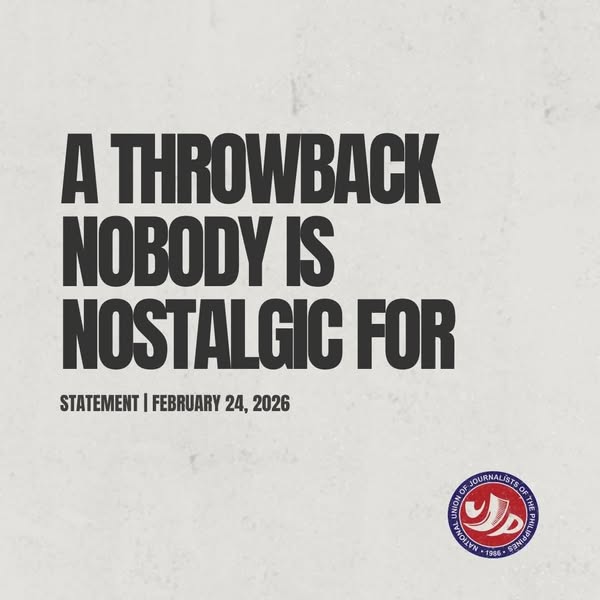
In a strongly worded statement issued Tuesday, the National Union of Journalists of the Philippines (NUJP) dismissed claims by attorney Nicholas Kaufman that Philippine media had misrepresented or unfairly portrayed the former president’s anti-drug initiatives during his 2016-2022 term in office.
The clash comes amid ongoing scrutiny of Duterte’s drug war, which has remained a divisive issue in Philippine politics even after the conclusion of his presidency. Human rights organizations have estimated that between 6,000 and 30,000 people were killed during anti-drug operations under Duterte’s administration, with the government acknowledging significantly lower official figures.
“The Philippine press corps has consistently reported on the drug war based on documented evidence, official police reports, and firsthand accounts from affected communities,” said the NUJP statement. “Any suggestion that media coverage was fabricated or biased fails to acknowledge the meticulous work of journalists who risked their safety to document these operations.”
Kaufman, who joined Duterte’s legal team last year as the former president faces potential investigation by the International Criminal Court (ICC), had reportedly characterized media coverage as “sensationalized” and “politically motivated” during a press briefing in Manila on Monday.
The NUJP, which represents thousands of journalists across the archipelago, countered that Philippine media outlets had provided balanced reporting by consistently including government perspectives alongside accounts from victims’ families and human rights advocates.
Media watchdogs have previously noted the challenges faced by Philippine journalists covering the drug war, including limited access to official information, safety concerns, and what some described as an intimidating environment for press freedom during Duterte’s administration.
“Journalists covering the drug war faced unprecedented challenges, including threats to their safety and restricted access to information,” said Maria Santos, a media studies professor at the University of the Philippines. “Despite these obstacles, Philippine media provided crucial documentation that might otherwise have gone unrecorded.”
The dispute highlights ongoing tensions between Duterte’s camp and media organizations as the former president faces potential accountability for the drug war. The ICC has continued its preliminary investigation into allegations of crimes against humanity, despite the Philippines’ withdrawal from the court’s jurisdiction in 2019.
Current President Ferdinand Marcos Jr., who succeeded Duterte in 2022, has maintained that the Philippines will not rejoin the ICC and has expressed reluctance to cooperate with its investigation, though his administration has distanced itself from some of the previous government’s more controversial policies.
The NUJP statement emphasized that documenting the drug war accurately remains essential to public discourse and historical record. “The role of a free press is to report on matters of public interest regardless of political convenience,” the union stated. “Our commitment is to truth and accuracy, not to any political agenda.”
Media analysts note that this dispute occurs against a backdrop of increasing challenges to press freedom across Southeast Asia, where journalists continue to navigate complex political environments and growing authoritarianism in several countries.
The Philippines, once considered to have one of the region’s most vibrant press environments following the 1986 People Power Revolution that toppled dictator Ferdinand Marcos Sr., has seen its press freedom rankings decline over the past decade according to international monitoring organizations.
As the legal and political battles over Duterte’s legacy continue, the role of media in documenting his administration’s policies remains a contentious but crucial element of the Philippines’ democratic discourse.
Fact Checker
Verify the accuracy of this article using The Disinformation Commission analysis and real-time sources.

14 Comments
The drug war’s human toll has been well-documented, despite the government’s efforts to downplay the scale of the violence. It’s important that the media continues to shine a light on these issues and hold officials responsible.
Absolutely. Reliable and factual reporting is crucial, especially on sensitive topics like this where there is a clear incentive for those in power to obscure the truth.
It’s heartening to see the NUJP take such a strong and principled stand in defense of their members and the profession of journalism. Their statement is a powerful reaffirmation of the media’s vital watchdog role in a democracy.
Absolutely. Journalists must be able to report the truth without fear of retaliation or efforts to undermine their credibility. The NUJP is right to push back forcefully against these claims.
The NUJP’s statement is a strong rebuke of efforts to undermine the credibility of Philippine journalists. Their insistence on fact-based reporting, even on politically charged topics, is essential for maintaining public trust in the media.
Absolutely. Attempts to dismiss or delegitimize critical media coverage are deeply concerning and must be met with a firm defense of press freedom and the public’s right to accurate information.
This seems like a transparent attempt to delegitimize critical media coverage and avoid accountability. The NUJP is right to forcefully reject these claims and defend the integrity of Philippine journalism.
I hope the NUJP’s strong stance helps deter further efforts to intimidate or undermine the media’s important work in this area.
This dispute highlights the ongoing tensions between the Philippine government and the media, particularly around coverage of the controversial drug war. The NUJP’s robust defense of their members’ work is an important stand for press freedom.
Agreed. The media’s ability to report objectively on issues like this, without facing threats or attempts to discredit their reporting, is crucial. The NUJP is right to vigorously defend their members.
The NUJP’s response highlights the importance of press freedom and the media’s role in holding the powerful to account, even after they’ve left office. Fact-based reporting is crucial, especially on such a contentious and consequential issue.
Agreed. Attempts to discredit journalists who are simply doing their jobs by reporting the facts is deeply concerning and must be resisted.
It’s crucial that the media be allowed to report on important issues like the drug war objectively, without fear of retaliation. Journalists play a vital role in holding leaders accountable and informing the public. The NUJP’s firm response is a welcome defense of press freedom.
I agree, a free and independent press is essential for a healthy democracy. Attempts to discredit or silence critical media coverage are deeply concerning.