


Listen to the article
In a critical juncture for Israeli politics, Prime Minister Benjamin Netanyahu departs Sunday for the United States amid mounting domestic crises that have refused to fade into the background despite his upcoming summit with President Donald Trump. The Qatargate scandal has emerged as the most explosive issue facing his administration, overshadowing even the escalating threats of war on multiple fronts.
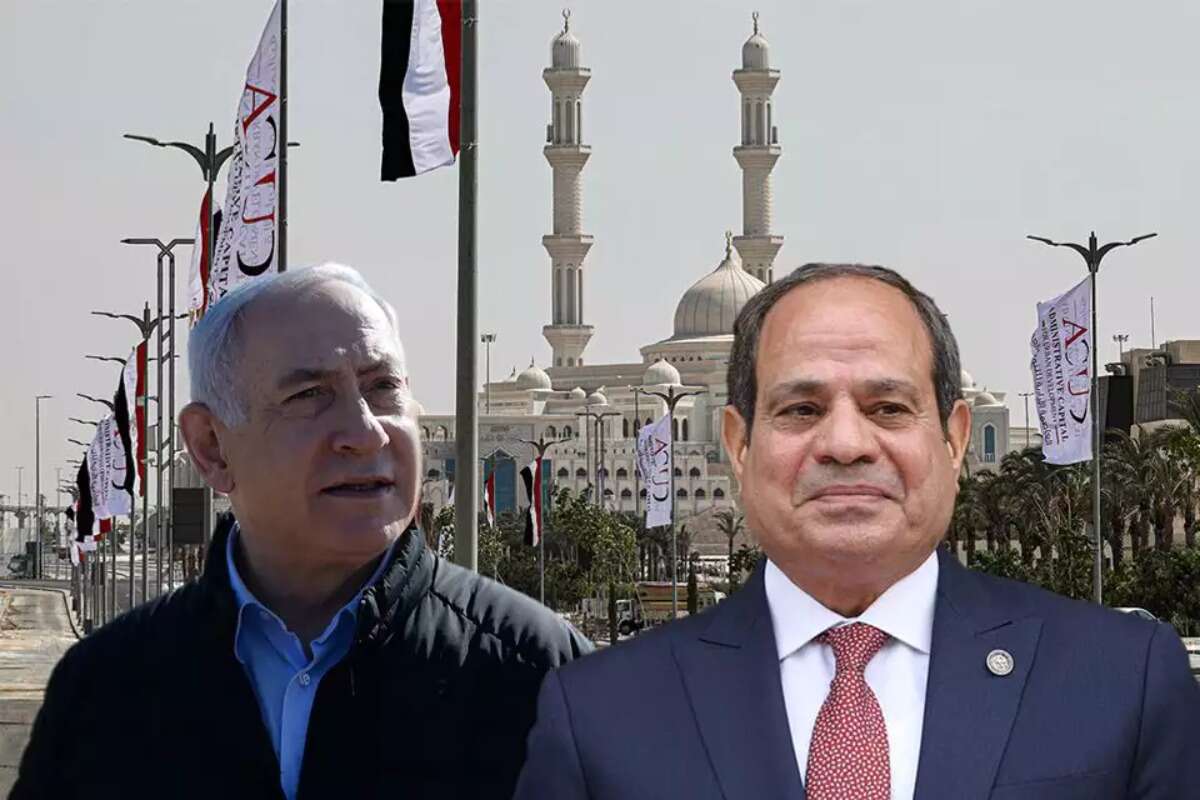
Security officials have expressed particular concern about damage to Israel’s relationship with Egypt resulting from actions by Netanyahu’s advisers. According to a senior official, both the Israel Defense Forces and Shin Bet security agency had raised concerns over misleading reports spread about Egypt, including false claims that Egypt was constructing offensive military bases in Sinai. Other damaging allegations included assertions that Egyptian intelligence officials were profiting from weapons smuggling and that Egypt had deceived Israel ahead of the October 7 attack.
Egyptian officials formally protested these smear campaigns during security meetings, but their concerns went unaddressed. While Netanyahu maintains he was unaware his advisers were working for Qatar, his policy decisions often aligned with their activities. Perhaps most troubling was the revelation that a Shin Bet-negotiated breakthrough with Egypt in July 2024 – which could have secured the release of four living hostages – was abandoned when an alternative proposal emerged for releasing ten hostages through Qatari mediation. This Qatari-brokered deal never materialized, effectively torpedoing the Egyptian initiative.
The hostage crisis has gained renewed attention following a television interview with freed hostage Romi Gonen, who courageously described sexual assaults she endured in captivity. Intelligence about these assaults had reportedly reached Israeli leadership as early as November 2023, but did not alter government policy. Netanyahu reportedly told his cabinet in July 2024, “The hostages are suffering, but they are not dying,” shortly before the Egyptian deal collapsed.
Further controversy surrounds Netanyahu’s claim that Eli Feldstein never worked for him or the Prime Minister’s Office – a statement many journalists can readily contradict. This denial is particularly problematic given Feldstein’s simultaneous work for Qatar. The connection has prompted calls from within the Shin Bet to expand the investigation to include the entire Prime Minister’s Office. Attorney General Gali Baharav-Miara is currently considering whether to investigate issues raised in Feldstein’s recent public interview.
In Miami, Netanyahu faces at least seven critical diplomatic challenges. Regarding Gaza, Trump appears eager to advance to the second phase of their agreement, while Israel seeks delays, citing unreturned hostages. In a strategic move, the parents of slain hostage Ran Gvili have been added to the Israeli delegation to appeal to Trump, even as administration voices urge the president to move forward with the plan. Several countries, including Qatar and Turkey, are reportedly preparing to send representatives into Gaza despite public statements to the contrary.
Iran represents another critical point of discussion, with Israel expressing concern about accelerating missile production and seeking assurances that the US will not block potential Israeli strikes against Iran next year. Similar flexibility is sought regarding Lebanon as the December 31 deadline approaches for Hezbollah’s mandated withdrawal from southern Lebanon.
Additional agenda items include Syria, where Israel will request that the US not pressure it to withdraw from seized areas in the Golan Heights; the extension of US military aid beyond 2028; and security concerns in Judea and Samaria, where Jewish extremist activity and Palestinian terrorist threats have intensified. A recent attack in which an undocumented Palestinian killed two Israelis has highlighted ongoing security vulnerabilities along the separation barrier.
Finally, Netanyahu’s criminal trial remains a significant concern. His unusually long one-week visit, which notably excludes stops in Washington or New York, will provide ample time for him to focus on this personal matter. The Prime Minister reportedly hopes Trump will pressure Israeli President Isaac Herzog to grant him a pardon – an action Herzog has shown reluctance to pursue.
Fact Checker
Verify the accuracy of this article using The Disinformation Commission analysis and real-time sources.

17 Comments
This highlights the importance of verifying information, especially on sensitive geopolitical issues, before acting on it. Ignoring warnings from intelligence agencies was a serious lapse in judgment. Rebuilding trust with Egypt will be crucial.
Well said. Spreading unsubstantiated claims, even by advisors, can have damaging diplomatic consequences. Netanyahu needs to take responsibility and address this matter transparently.
This is a concerning development that highlights the need for rigorous fact-checking, especially on sensitive foreign policy matters. Ignoring warnings from security agencies about false claims is a troubling lapse in judgment.
Absolutely. Even if the misinformation campaign was spearheaded by advisors, Netanyahu is ultimately responsible. Rebuilding trust with Egypt should be a top priority to mitigate the diplomatic fallout.
This is a concerning development, if true. The Israeli-Egyptian relationship is critical for regional stability. Spreading misinformation could seriously undermine that. Transparency and communication between allies is key.
Agreed. Ignoring warnings from security agencies about false claims is reckless. Leaders must be accountable for the actions of their advisors, especially on sensitive foreign policy matters.
The Israeli-Egyptian relationship is a cornerstone of regional stability. Spreading misinformation, even inadvertently, could seriously undermine that. Netanyahu must take this issue seriously and address it transparently to mitigate the diplomatic fallout.
The Qatargate scandal and escalating threats of war are already major challenges. Adding strained relations with Egypt due to misinformation campaigns is the last thing Israel needs right now. Careful diplomacy is crucial.
Absolutely. Misleading claims about Egypt’s military activity and intelligence operations could have far-reaching consequences. Netanyahu must address this issue head-on to prevent further damage.
This seems like a serious lapse in judgment by Netanyahu’s team. Ignoring warnings about false claims targeting Egypt is a risky move that could jeopardize a critical regional alliance. Transparency and accountability are crucial in these matters.
I agree. Even if the claims were made by advisors, Netanyahu bears ultimate responsibility. Rebuilding trust with Egypt should be a top priority to mitigate the fallout from this incident.
Maintaining strong ties with Egypt is essential for Israel’s security and regional influence. Spreading misinformation, even inadvertently, could seriously undermine that. Netanyahu must address this issue swiftly and transparently.
It’s concerning to hear that Israeli security agencies warned about the false claims, but their concerns were ignored. Maintaining strong ties with Egypt should be a top priority. Spreading misinformation is a risky strategy.
The relationship between Israel and Egypt is a delicate one, and maintaining open communication is vital. Spreading misinformation, even inadvertently, could undermine that. This is a concerning development that requires careful handling.
This is a concerning development that underscores the importance of transparency and accountability in foreign policy decision-making. Ignoring warnings from security agencies about false claims is a serious lapse in judgment that could have far-reaching consequences.
Well said. Even if the misinformation campaign originated from advisors, Netanyahu is responsible for addressing it and rebuilding trust with Egypt. Diplomatic relationships are delicate and must be handled with care.
The Israeli-Egyptian relationship is critical for regional stability. Spreading misinformation, even if unintentional, could seriously undermine that. Netanyahu must address this issue head-on and ensure that his administration is more diligent in verifying claims.