


Listen to the article
False Images of Netanyahu Injured Circulate on Social Media Amid Regional Tensions
Fabricated photos purporting to show Israeli Prime Minister Benjamin Netanyahu injured or deceased have spread widely across social media platforms in recent days, prompting concerns about the proliferation of disinformation during a particularly volatile period in the Middle East.
The images, which depict Netanyahu with apparent injuries and covered in dust and debris, began circulating shortly after Israel and the United States conducted joint military operations against Iran that reportedly resulted in the death of Supreme Leader Ayatollah Khamenei. The timing of these false images appears calculated to create confusion during this highly sensitive geopolitical moment.
One widely shared image shows several individuals supporting what appears to be an injured Netanyahu, with dust and dirt covering his face, supposedly from surrounding rubble. Another fabricated photo depicts the Israeli leader lying down with his eyes closed, displaying visible injuries.
These images have gained traction through unverified social media accounts, with users questioning their authenticity with captions like “This picture is spreading in internet” and “Is this him?” The rapid dissemination of such content demonstrates the challenges of information verification during international crises.
Multiple fact-checking organizations and AI detection tools have confirmed these images are fabricated. According to analyses cited by fact-checkers, the images show clear signs of digital manipulation or AI generation, with inconsistent lighting, unnatural textures, and anatomical irregularities typical of synthetic media.
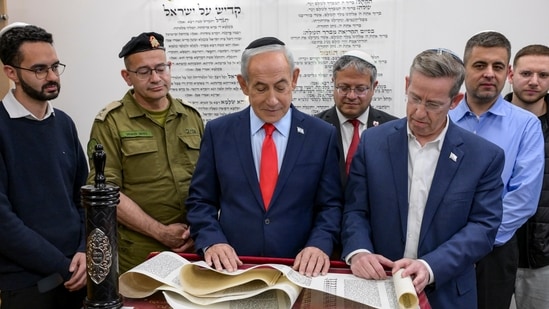
“These death rumors from social media and Iranian outlets have been debunked multiple times amid the ongoing tensions,” noted one fact-checking assessment, which confirmed that Netanyahu has been active and has made public appearances as recently as March 12, 2026.
The false claims about Netanyahu’s condition appear to have originated from conspiracy theories suggesting that a recent video of the Prime Minister addressing the Israeli public was AI-generated. Some social media users pointed to an alleged anomaly in the video where Netanyahu supposedly appeared with six fingers on one hand—a claim that has been thoroughly debunked by digital media experts.
Adding to the web of misinformation, some social media accounts attempted to corroborate the false narrative by noting that Yair Netanyahu, the Prime Minister’s son, had not posted original content on X (formerly Twitter) since March 8. “Mourning a family loss?” one user speculated. However, verification showed that Yair had reposted content on March 9, and reliable sources confirm both father and son are alive and well.
The spread of these fabricated images highlights the growing challenge of distinguishing between authentic and synthetic media during international conflicts. With advancements in AI-generated content, disinformation can spread rapidly across social platforms, potentially exacerbating tensions between nations already engaged in conflict.
Israeli government sources have not issued formal statements addressing these specific fabricated images, likely to avoid lending credibility to obvious falsehoods. According to the most recent credible reports, Prime Minister Netanyahu continues his duties in Israel and has been actively involved in strategic discussions regarding regional security matters.
Media literacy experts emphasize the importance of verifying information from multiple reliable sources during times of international conflict, particularly when sensational claims emerge on social media platforms where verification standards may be minimal or nonexistent.
Fact Checker
Verify the accuracy of this article using The Disinformation Commission analysis and real-time sources.

13 Comments
The proliferation of false images and rumors around high-profile figures is a concerning trend. I’m glad to see this news outlet taking the time to investigate and provide clarity on the situation.
Absolutely. In an era of rapid information sharing, it’s critical that we all exercise caution and discernment when encountering claims or images that seem questionable or sensational.
These fabricated photos are concerning, as they could sow confusion and undermine public trust. I appreciate the news outlet taking the time to investigate and provide clarity on the situation.
Yes, verifying information is crucial, especially when it involves sensitive political and security matters. Spreading unverified claims, even inadvertently, can have serious consequences.
This is a timely and important story. Fact-checking efforts like this help maintain public trust and ensure that people have access to reliable information, especially during periods of heightened geopolitical tension.
Absolutely. It’s critical that we all remain vigilant and rely on authoritative sources when trying to understand complex, high-stakes issues. Spreading unverified claims can have serious consequences.
This is a good example of why we should be cautious about accepting unverified information, even if it aligns with our preconceptions or biases. Fact-checking is essential for maintaining an accurate understanding of current events.
Fact-checking is so important in the age of social media. It’s a good reminder to be skeptical of unverified claims, even if they seem plausible, and to seek out reliable sources when trying to understand complex geopolitical events.
Interesting story. It’s good to see fact-checking efforts to counter the spread of false information, especially during sensitive geopolitical times. We should be cautious about jumping to conclusions based on unverified social media images.
Agreed. Misinformation can be damaging, so it’s important to rely on authoritative and credible sources when assessing the facts around high-profile figures and events.
The spread of false images and rumors around political figures is a real concern. I’m glad to see this news outlet taking the time to investigate and provide accurate information to counter the misinformation.
I appreciate the news outlet taking the time to investigate these false claims and provide clarity. It’s a good reminder that we need to be vigilant about verifying information, especially when it involves high-stakes geopolitical issues.
Agreed. Spreading unverified information, even with good intentions, can have serious consequences. Fact-checking and relying on authoritative sources is crucial in these situations.