


Listen to the article
Nepal’s tourism industry has been rocked by a major fraud investigation uncovering an elaborate scheme of fake mountain rescues and insurance scams that may have cost insurers up to $20 million. The scandal has cast a shadow over one of the country’s most vital economic sectors, though some of the more sensational allegations remain unproven.
Investigators from Nepal’s Central Investigation Bureau have spent months examining what they describe as a sophisticated network involving rescue companies, travel operators, and medical providers who allegedly orchestrated unnecessary helicopter evacuations from Nepal’s remote mountain regions between 2022 and 2025.
According to reports from The Associated Press, authorities have arrested multiple executives from travel and mountain rescue companies, accusing them of systematically filing fraudulent claims for emergency services that either never occurred or were deliberately manufactured.
The scheme allegedly relied on falsified documentation, including helicopter flight manifests, cargo records, medical invoices, and hospital reports. These forged documents were then submitted to international insurance companies, which had limited capacity to verify the legitimacy of emergency claims occurring in Nepal’s isolated Himalayan regions.
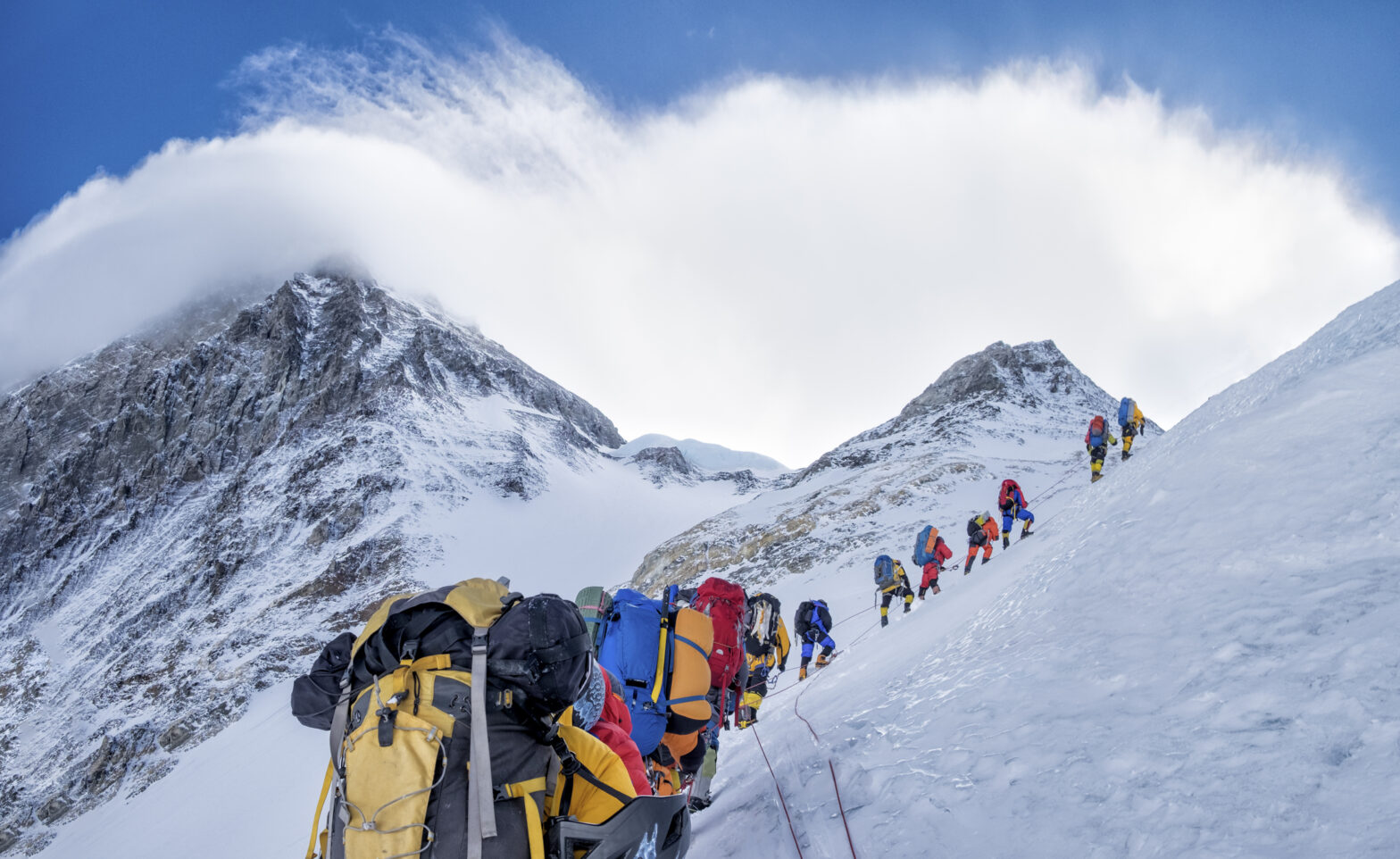
The Kathmandu Post reported that authorities have filed charges against 32 individuals connected to the fraud operation. The scandal has exposed critical vulnerabilities in Nepal’s mountain tourism industry, which attracts thousands of international visitors annually to trek and climb in the Himalayan range, including Mount Everest.
The fraud was particularly effective because of the legitimate need for emergency evacuations in Nepal’s mountains. Helicopter rescues are often necessary in areas with no road access, and altitude-related medical emergencies can develop rapidly at extreme elevations. Nepal requires climbers seeking permits for high-altitude expeditions to show proof of insurance covering rescue costs — a well-intentioned policy that investigators say was exploited by the fraud network.
While the core allegations of insurance fraud and fake rescues appear substantiated by arrests and formal charges, one of the most alarming claims has not been confirmed. International media widely reported allegations that some trekking guides may have intentionally poisoned foreign climbers to induce symptoms mimicking altitude sickness, thereby creating a pretext for expensive helicopter evacuations.
However, Nepal’s Central Investigation Bureau has since clarified that they have found no evidence supporting these poisoning allegations, according to The Kathmandu Post. This distinction is crucial for Nepal’s tourism industry, which relies heavily on trust between international visitors and local guides who navigate the challenging Himalayan terrain together.
The scandal comes at a sensitive time for Nepal’s tourism sector, which has been working to recover from disruptions caused by the COVID-19 pandemic. Mountain tourism represents a critical source of foreign currency and employment for the landlocked nation, with the Everest region alone attracting thousands of international trekkers and hundreds of summit aspirants annually.
Tourism industry representatives have expressed concern about the potential long-term impact on Nepal’s reputation as a premier adventure destination. The country has previously faced scrutiny over safety standards and emergency response capabilities in its mountainous regions.
Nepal’s government now faces pressure to implement stronger oversight mechanisms for mountain rescues, medical services, and insurance verification. Insurance companies that cover adventure travelers will likely increase scrutiny of claims originating from Nepal’s trekking regions.
Despite the seriousness of the fraud allegations, industry observers note that legitimate rescues far outnumber fraudulent ones, and the Himalayan mountains remain an inherently challenging environment where emergency services are often genuinely needed.
Authorities continue to investigate the full extent of the scheme, with the case highlighting the complex intersection of adventure tourism, emergency services, and international insurance in one of the world’s most extreme environments.
Fact Checker
Verify the accuracy of this article using The Disinformation Commission analysis and real-time sources.

7 Comments
This is a troubling development for Nepal’s mining and tourism sectors. Fraudulent rescue claims not only bilk insurance companies, but can also put lives at risk if people don’t get the assistance they truly need. I hope the authorities can get to the bottom of this and implement better safeguards.
This is a complex issue with a lot of moving parts. On one hand, the alleged fraud is clearly unacceptable and needs to be addressed. But on the other, Nepal’s mountain rescue services play a vital role in supporting adventurous travelers and extractive industries. I wonder how they can strike the right balance going forward.
That’s a good point. Maintaining the integrity of legitimate rescue services while cracking down on fraud will be a delicate challenge. Transparent processes and independent oversight may be needed to rebuild trust.
As someone interested in mining and natural resources, this news about fraudulent rescue claims is really disappointing. It undermines trust in an important industry and could have broader economic impacts on Nepal. I hope the investigation uncovers the full scale of the problem.
Agreed, this type of fraud can really damage the reputation of a country’s tourism and mining sectors. Proper oversight and accountability are crucial to maintain integrity in these high-risk industries.
This is a concerning story about corruption and fraud in Nepal’s tourism industry. It’s troubling to see such an elaborate scheme taking advantage of the high-risk nature of mountain rescues. I hope the authorities are able to fully investigate and hold those responsible accountable.
As someone who follows mining and commodity news closely, this story is quite concerning. Fraud and corruption can have ripple effects across an entire industry. I’ll be interested to see how Nepal responds to restore confidence in its rescue and tourism operations.