


Listen to the article
In the shadow of the world’s highest peaks, Nepal’s mountain tourism industry finds itself at the center of a sweeping investigation into fraudulent rescue operations and insurance scams that has sent shockwaves through the Himalayan nation’s vital travel sector.
Nepal Police have uncovered what they describe as a sophisticated network involving rescue companies, travel operators, and medical providers who allegedly orchestrated fake emergency evacuations, falsified medical documentation, and submitted fraudulent insurance claims between 2022 and 2025. The financial impact of the scheme is substantial, with authorities estimating losses approaching $20 million.
The investigation has led to multiple arrests, including executives from travel and mountain rescue companies who now face serious charges. According to reports from The Associated Press, the alleged perpetrators created elaborate paper trails of fake helicopter manifests, cargo records, medical invoices, and hospital reports to substantiate their fraudulent claims.
“The scheme exploited the inherent vulnerability in Nepal’s remote mountain rescue system,” said a source close to the investigation, who requested anonymity due to the ongoing case. “When you’re dealing with emergency situations at high altitudes in remote locations, verification becomes extremely difficult for international insurance providers.”
The Kathmandu Post later reported that legal proceedings have been initiated against 32 individuals allegedly connected to the wider operation. The case highlights significant weaknesses in the oversight of emergency evacuations, billing practices, and insurance verification in Nepal’s trekking industry.
Nepal’s mountain tourism economy relies heavily on its reputation for safety and reliability. Foreign climbers and trekkers must show proof of insurance that covers emergency evacuation costs before receiving permits for high-altitude expeditions – a requirement intended to protect both travelers and local rescue operations.
Helicopter evacuations represent a legitimate and often life-saving necessity in Nepal’s mountainous regions, where roads are scarce and altitude-related medical emergencies can rapidly become life-threatening. But investigators allege this critical safety system was corrupted by companies fabricating emergencies and billing for rescues that never occurred.
While the core allegations of rescue fraud have been substantiated through arrests and formal charges, one particularly alarming claim has created additional controversy. Early reports suggesting guides may have intentionally poisoned tourists to trigger evacuations spread rapidly through international media, potentially causing further damage to Nepal’s tourism reputation.
However, this most sensational aspect of the case appears unsupported by evidence. The Central Investigation Bureau of Nepal Police has publicly stated they have found no proof to substantiate allegations that guides in the Everest region deliberately made foreign climbers ill to justify expensive helicopter evacuations.
“The poisoning claim remains unconfirmed based on our current investigation,” a police spokesperson told The Kathmandu Post. “While we have established evidence of widespread insurance fraud and fake rescues, we cannot verify this specific allegation at this time.”
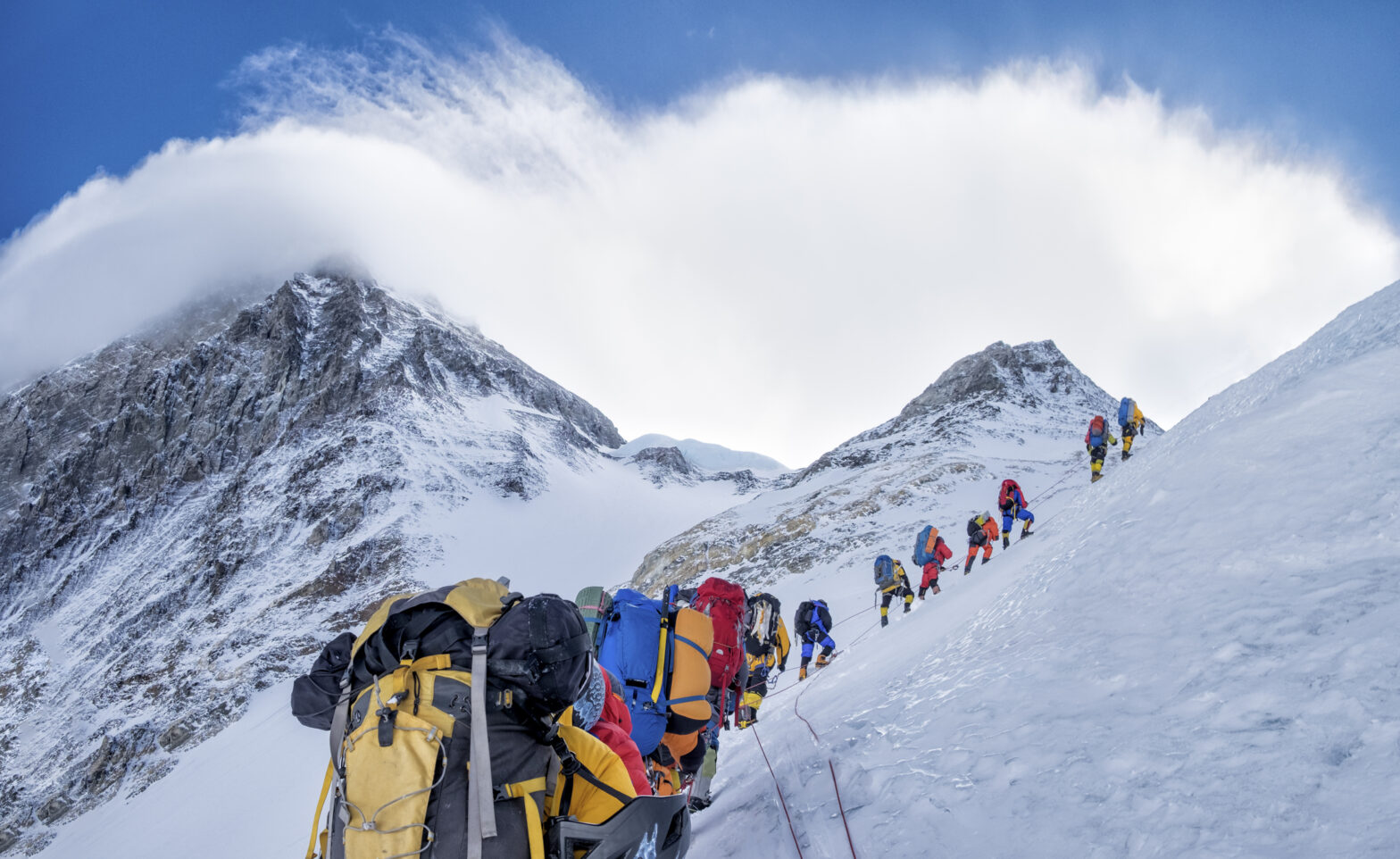
The scandal emerges at a critical moment for Nepal’s tourism industry, which has been working to rebuild following pandemic-related disruptions. Mountain tourism represents one of the country’s most significant revenue sources, with thousands of international visitors arriving annually to trek popular routes and attempt summits including Mount Everest.
Industry experts suggest the case could prompt meaningful reforms in how emergency services operate in Nepal’s mountains, potentially including stricter verification protocols, improved documentation requirements, and enhanced cooperation between Nepalese authorities and international insurance providers.
“This investigation exposes serious systemic vulnerabilities,” said a Kathmandu-based tourism analyst. “The challenge now is implementing reforms that protect legitimate rescues while preventing exploitation of the system.”
As the case proceeds through Nepal’s legal system, tourism officials face the difficult task of rebuilding trust in the country’s mountain safety protocols while ensuring that genuine emergency services remain available to those who need them in some of the world’s most challenging terrain.
Fact Checker
Verify the accuracy of this article using The Disinformation Commission analysis and real-time sources.

10 Comments
The alleged $20 million in losses is staggering. I wonder how widespread this problem is and what steps Nepal can take to better regulate the rescue and insurance systems to prevent future abuse. Transparency and robust auditing procedures seem essential.
Absolutely. Tightening regulations and improving coordination between rescue providers, medical facilities, and insurers could help close the loopholes exploited in this scheme. Restoring trust in Nepal’s tourism industry will be critical.
Fraudulent rescue and insurance claims undermine the legitimacy of Nepal’s tourism industry and put lives at risk. I hope the authorities can hold the culprits accountable and implement measures to prevent similar scams in the future.
Agreed. Rebuilding trust and ensuring the safety of both tourists and rescue workers should be the top priorities. This incident serves as a wake-up call for stronger regulation and oversight in Nepal’s mountain tourism sector.
This is a very troubling situation for Nepal’s tourism industry. Fraudulent rescue operations and insurance scams undermine trust and damage the reputation of legitimate operators. I hope the authorities can get to the bottom of this and hold the perpetrators accountable.
Agreed. Fraud like this can have far-reaching consequences, both financially and in terms of undermining public confidence. Proper oversight and accountability will be crucial going forward.
This is a complex issue, as mountain rescue operations can be inherently risky and vulnerable to misuse. I’m curious to learn more about the specific mechanisms used in this fraud and what lessons can be drawn to strengthen oversight in the future.
Yes, understanding the details of how this scheme was orchestrated will be important. Hopefully the investigation can shed light on systemic weaknesses that need to be addressed through policy reforms and industry best practices.
This is a concerning development that could have significant ripple effects on Nepal’s economy and reputation. I’m curious to learn more about the specific tactics used by the alleged perpetrators and what steps the government is taking to address the underlying issues.
Absolutely. Transparent investigations and swift action to reform the rescue and insurance systems will be crucial to restoring confidence in Nepal’s tourism industry. Proactive measures to prevent future abuse should be a top priority.