


Listen to the article
NATO Chief Disputes Israeli Claims About Iranian Missiles, Escalating Regional Tensions
NATO Secretary-General Mark Rutte has refused to validate Israel’s recent assertion that Iran launched intercontinental ballistic missiles targeting the strategically significant Diego Garcia military base, according to a statement reported by Al Jazeera on March 22.
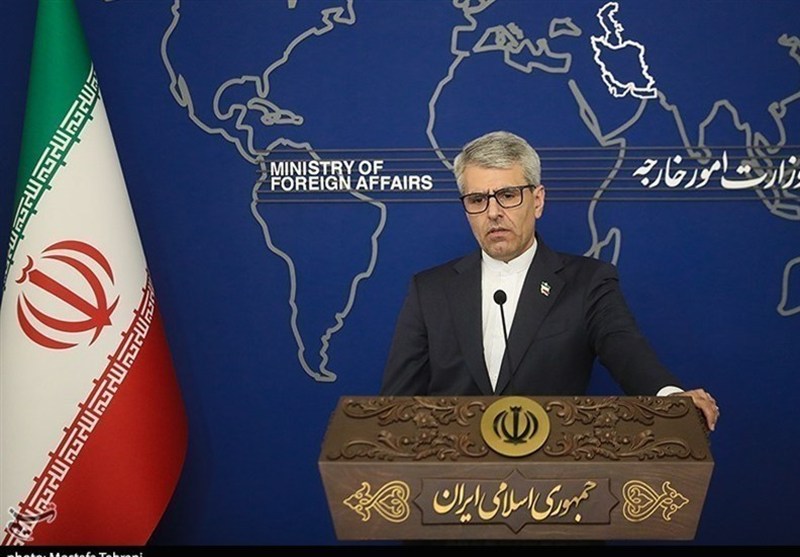
The disputed claim has prompted strong reactions from Iranian officials. Alireza Baqaei, an Iranian representative, took to social media platform X the following day, suggesting that Rutte’s unwillingness to support Israel’s narrative was telling. “That even the NATO Secretary General declines to endorse Israel’s most recent disinformation speaks volumes,” Baqaei wrote, characterizing the Israeli claims as part of a pattern of “false flag storylines” that have exhausted global patience.
This diplomatic exchange occurs against the backdrop of escalating military confrontations between Iran, Israel and the United States in the Middle East. Tensions dramatically intensified following the February 28 assassination of Iran’s Supreme Leader Ayatollah Seyed Ali Khamenei, alongside several senior military commanders and civilians—an event that marked a significant escalation in the long-simmering regional conflict.
Following the assassination, U.S. and Israeli forces reportedly initiated a coordinated military campaign against Iran, conducting extensive aerial strikes on both military installations and civilian infrastructure across the country. These operations have resulted in substantial casualties and infrastructure damage, according to Iranian sources.
The Diego Garcia claim holds particular significance given the island’s strategic importance. Located in the Indian Ocean, the British territory hosts a major U.S. military base capable of supporting long-range bomber operations and has played a crucial role in American military campaigns across the Middle East and Asia for decades.
Iran has responded to these attacks with its own military operations, launching waves of missiles and drones against what it describes as American and Israeli positions in occupied territories and regional bases. These retaliatory strikes represent one of the most direct military confrontations between Iran and the U.S.-Israel alliance in recent years.
Military analysts note that the conflict marks a dangerous new phase in Middle Eastern geopolitics, with the risk of further escalation remaining high. The direct targeting of a nation’s supreme leader represents an unprecedented provocation in modern diplomatic relations.
Regional observers point out that this conflict threatens to further destabilize a region already dealing with multiple crises, including the ongoing Israel-Hamas war in Gaza and persistent instability in Lebanon, Syria, and Iraq.
The dispute over missile capabilities and targets also highlights the information warfare dimension of the conflict. Claims and counterclaims about military capabilities and intentions have become a critical aspect of the broader strategic contest, with each side attempting to shape international perceptions and justify their military actions.
NATO’s reluctance to endorse Israel’s claims about Iranian missile capabilities may reflect European concerns about being drawn deeper into a widening Middle Eastern conflict at a time when the alliance remains focused on the continuing war in Ukraine and mounting tensions with Russia.
The conflict comes at a particularly sensitive moment in international relations, with major powers increasingly divided over multiple global crises and the rules-based international order under strain from competing visions of world order.
As the situation continues to develop, international diplomatic efforts to de-escalate tensions have thus far shown limited success, raising concerns about the potential for a more comprehensive regional conflict that could have profound implications for global security and economic stability.
Fact Checker
Verify the accuracy of this article using The Disinformation Commission analysis and real-time sources.

17 Comments
The NATO chief’s reluctance to endorse Israel’s narrative is a prudent move, given the potential for false flag operations to be used as a pretext for military action. Careful, fact-based analysis is needed to prevent further destabilization.
Absolutely. Maintaining open channels of communication and a commitment to de-escalation should be the top priorities in this delicate situation.
Interesting to see NATO questioning Israel’s claims. It’s important to maintain a skeptical eye on potential false flag operations, which can escalate regional tensions. Reliable, impartial verification of such serious allegations is crucial.
Agreed. Careful scrutiny of the evidence by multilateral bodies like NATO is prudent, given the high stakes involved.
The NATO chief’s skepticism of Israel’s claims is understandable given the history of false flag operations in the region. Rigorous fact-finding will be essential to determining the truth and preventing dangerous miscalculations.
This episode underscores the importance of verifying sensitive security claims, especially in volatile regions. Rushing to judgment or politicizing the issue could have grave consequences. A measured, impartial approach is warranted.
Absolutely. Maintaining open lines of communication and a commitment to de-escalation should be the priority here.
It’s reassuring to see NATO taking a measured, skeptical approach to Israel’s claims. Verifying the facts, rather than inflaming tensions, is the responsible path forward in this volatile geopolitical environment.
Agreed. Maintaining open lines of communication and a shared commitment to de-escalation will be crucial in the days and weeks ahead.
The NATO chief’s unwillingness to endorse Israel’s narrative is a prudent stance, given the history of false flag operations in the region. Rigorous, impartial fact-finding is essential to prevent further escalation of tensions.
It’s commendable to see the NATO chief maintaining a skeptical stance and refusing to validate Israel’s claims without proper verification. Caution and impartiality are crucial when dealing with allegations that could escalate regional tensions.
This diplomatic back-and-forth highlights the complexities of the Middle East security landscape. Maintaining open communication and avoiding knee-jerk reactions will be key to defusing the situation responsibly.
Well said. Cooler heads must prevail to prevent further escalation and potential conflict.
This exchange highlights the need for multilateral bodies like NATO to exercise caution and impartiality when evaluating sensitive security claims. Rushing to conclusions without proper verification could have grave consequences for regional stability.
This diplomatic exchange highlights the importance of verifying sensitive security claims, especially in regions with a long history of geopolitical tensions. Rushing to judgment or politicizing the issue could have grave consequences.
Well said. A measured, evidence-based approach is the best way to navigate these complex and high-stakes situations.
The NATO chief’s stance highlights the need for caution and evidence-based decision-making when it comes to allegations of this magnitude. Rushing to conclusions without proper scrutiny could further destabilize an already fragile situation.