


Listen to the article
NASA’s Artemis II Mission Becomes Target of Conspiracy Theories as Historic Lunar Flyby Completes
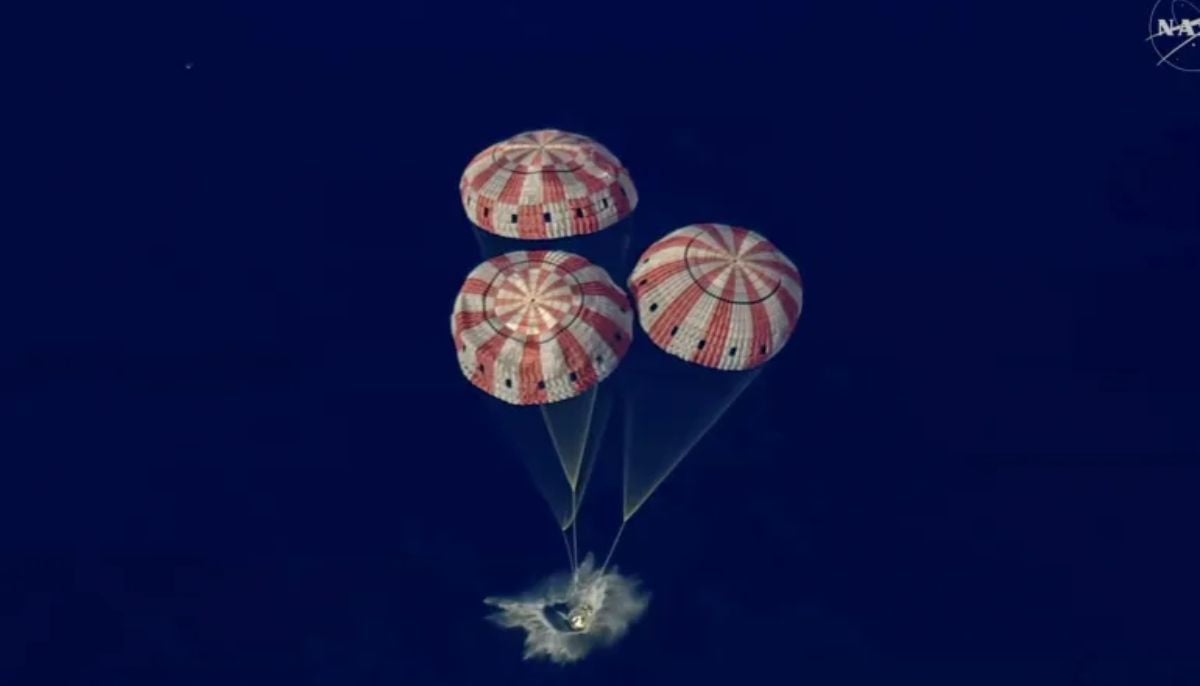
The successful conclusion of NASA’s Artemis II mission marked a historic achievement in space exploration, with four astronauts safely splashing down off the California coast Friday after completing the first crewed lunar flyby in over 50 years. Despite the mission’s significance, a wave of conspiracy theories has emerged across social media platforms, with false claims suggesting the mission was fabricated or manipulated using artificial intelligence.
The mission carried astronauts Reid Wiseman, Christina Koch, Victor Glover, and Jeremy Hansen on their groundbreaking journey around the Moon, representing a major milestone in NASA’s efforts to return humans to deep space exploration. Upon their safe return, the crew’s achievement was celebrated globally as a technological triumph and continuation of NASA’s historic lunar program.
However, across platforms like X (formerly Twitter), TikTok, and Facebook, misinformation has spread rapidly, with viral posts alleging the mission footage was staged in studios or generated through AI technology. Some widely shared content featured manipulated images purporting to show evidence of green screen production techniques, while others seized upon minor broadcast errors as supposed proof of fabrication.
Digital forensics experts from AFP investigated these claims and determined that one viral “glitch” that conspiracy theorists pointed to actually originated from a failed television overlay that mistakenly displayed mission data rather than actual footage—a simple technical error rather than evidence of deception.
Mike Rothschild, a researcher specializing in disinformation, explained that major scientific achievements like the Artemis II mission frequently become targets for conspiracy theories due to their visual impact and emotional resonance with the public. The current media landscape, which he describes as a “Wild West internet system,” has created an environment where false information can reach millions of users before corrections can be implemented.
Experts note that decreased content moderation across major social media platforms has exacerbated the problem, allowing misinformation to proliferate unchecked. Additionally, the widespread availability of AI tools has made it easier for users to create convincing fake content, contributing to what researchers call the “liar’s dividend”—where even authentic footage can be dismissed as potentially artificial.
The current wave of conspiracy theories draws parallels to the persistent Apollo 11 moon landing conspiracies that originated in 1969. These older narratives have found new life in the context of the Artemis II mission, reflecting both public skepticism of official accounts and a tendency among some audiences to embrace alternative explanations that contradict established records.
The NASA Artemis program represents America’s return to lunar exploration, with Artemis II serving as a critical step toward eventually landing humans on the Moon again. The mission’s success demonstrates significant technological advancement since the Apollo era, utilizing the Space Launch System rocket and Orion spacecraft designed specifically for deep space human exploration.
As NASA continues to progress through its Artemis program with future missions planned to establish a sustained lunar presence, the challenge of combating misinformation remains significant. The spread of conspiracy theories highlights the intersection of technological advancement, public communication challenges, and the evolving information ecosystem that surrounds major scientific achievements in the digital age.
Fact Checker
Verify the accuracy of this article using The Disinformation Commission analysis and real-time sources.

12 Comments
The Artemis II mission is a significant step forward for NASA and human spaceflight. While it’s understandable to be skeptical of government narratives, the overwhelming evidence supports the authenticity of this historic lunar flyby. We should focus on celebrating this impressive technological feat.
Well said. Conspiracy theories often arise when people feel disconnected from major events, but in this case the facts are clear. This mission represents an incredible accomplishment that deserves our praise, not unfounded speculation.
It’s disappointing to see conspiracy theories emerge around the Artemis II mission. The crew’s safe return and the wealth of data and imagery from the flight are clear evidence of its authenticity. We should be in awe of this milestone in space exploration, not dismissing it based on online speculation.
Absolutely. NASA has a long track record of honesty and transparency. Dismissing this mission as fake or AI-generated is simply not supported by the facts. We should celebrate the hard work and bravery of the Artemis II astronauts.
While I understand the desire to question official narratives, the Artemis II mission appears to be a genuine and well-documented accomplishment. Spreading unsubstantiated claims about AI manipulation or fakery does a disservice to the hard work and bravery of the astronauts involved.
Exactly. NASA has a long history of transparency, and there’s no credible reason to doubt the authenticity of this mission. We should celebrate this triumph of human ingenuity and exploration.
The Artemis II mission is a remarkable achievement that deserves recognition, not unfounded conspiracy theories. The crew’s safe return and the mission data demonstrate the authenticity of this historic lunar flyby. While healthy skepticism is understandable, in this case the evidence is clear.
I agree. NASA has a well-earned reputation for scientific integrity. Spreading misinformation about this mission being staged or manipulated is not only incorrect, but it undermines the tremendous accomplishments of the Artemis II team.
This is an incredible achievement for NASA and the Artemis II crew. The first crewed lunar flyby in over 50 years is a major milestone in space exploration. Conspiracy theories are disappointing, but the mission’s success speaks for itself.
I agree. The mission footage and data are clear evidence of the crew’s safe journey around the Moon. Dismissing this as AI-generated or staged is simply illogical.
Conspiracy theories around the Artemis II mission are disappointing, but not surprising given the current climate of misinformation. The evidence and data from this mission are clear – it was a remarkable success that should be applauded, not dismissed.
I agree. It’s important to rely on reputable sources and verified information when discussing major events like this. Spreading unfounded claims online only serves to undermine the real achievements of the Artemis program.