


Listen to the article
Minnesota Launches Fact-Checking Website to Combat Medicaid Fraud Misinformation
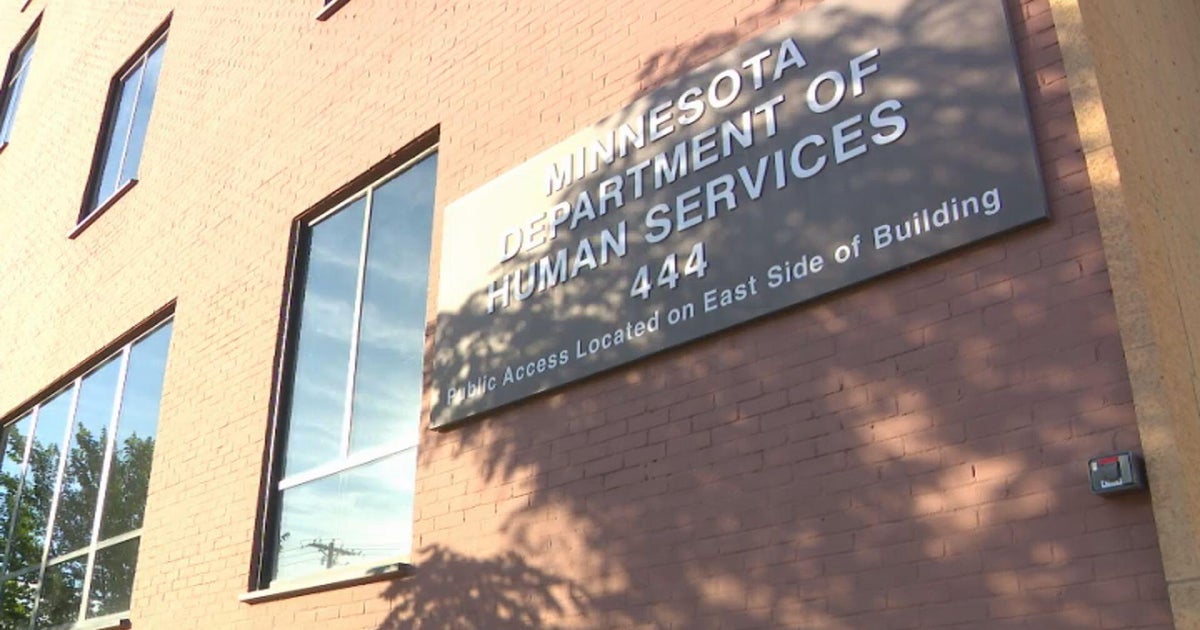
Minnesota’s Department of Human Services unveiled a new web page dedicated to fact-checking claims about Medicaid fraud in the state, officials announced Wednesday. The initiative aims to address what the department describes as “misleading information and outright false claims” circulating about fraud within the state’s Medicaid program.
The newly launched page presents various assertions about Medicaid fraud alongside what the department characterizes as factual corrections. The claims listed do not attribute specific sources for the statements being refuted.
“Speculation, intentional misinformation and amateur investigations will not stop fraud in our state,” said Shireen Gandhi, temporary human services commissioner, in a news release announcing the webpage. The statement underscores the administration’s position that addressing fraud requires methodical, evidence-based approaches rather than unverified claims.
Medicaid serves as a crucial healthcare lifeline for approximately 1.2 million low-income Minnesotans, according to the department. The program’s extensive reach makes it both vital to public health and a target for potential fraud schemes.
The fact-checking website represents just one component of Minnesota’s multi-pronged effort to combat Medicaid fraud. Earlier this month, state officials announced the redeployment of more than 160 employees from various state agencies to conduct thorough provider examinations and site reviews. This initiative aims to revalidate nearly 6,000 providers across 13 Medicaid-related services by summer, reflecting the scale of the verification effort.
State authorities have also developed a pre-payment system designed to identify potentially fraudulent Medicaid claims before payments are processed. This preventative approach marks a shift from primarily post-payment fraud detection methods.
In October, Governor Tim Walz announced a partnership with healthcare services company Optum to audit billing for 14 Medicaid services deemed “high risk” for fraud. The collaboration’s goal is to establish an automated system by year’s end that would review claims prior to payment and flag suspicious entries for further investigation. According to recent reports, Optum has already identified over $52 million in potentially recoverable funds stemming from policy violations across those 14 Medicaid service categories.
The scale of potential fraud remains disputed. Joe Thompson, former first assistant U.S. Attorney, suggested in December that total fraud in Minnesota’s Medicaid system could reach $9 billion or more. Governor Walz has publicly challenged this estimate, describing it as “sensationalism” that doesn’t constructively contribute to addressing the issue he has committed to resolving.
The debate highlights the politically charged nature of Medicaid fraud discussions, with significant implications for taxpayer funds and public trust in government programs. Healthcare fraud experts note that precise quantification of total fraud is inherently difficult, as sophisticated schemes are designed to evade detection.
Minnesota’s intensified focus on Medicaid fraud comes amid national attention on program integrity in public healthcare spending. Other states have implemented similar verification measures as federal authorities encourage more robust oversight of Medicaid expenditures.
Healthcare policy analysts observe that while fraud prevention is essential, states must balance thorough verification with ensuring legitimate beneficiaries maintain access to needed services. Overly burdensome verification processes can sometimes create barriers for vulnerable populations legally entitled to coverage.
The Department of Human Services has indicated that additional fraud prevention measures will be announced in the coming months as the state continues its comprehensive approach to safeguarding Medicaid resources while maintaining service quality for those who depend on the program.
Fact Checker
Verify the accuracy of this article using The Disinformation Commission analysis and real-time sources.

12 Comments
Curious to see how Minnesota’s new Medicaid fraud fact-checking site will be received. Transparency and nuance will be essential to build trust and have a meaningful impact.
Medicaid fraud is a serious issue, but unsubstantiated claims can do real harm. Minnesota’s fact-checking initiative could be a helpful tool, if implemented thoughtfully and impartially.
While combating misinformation is admirable, I hope Minnesota’s fact-checking website presents a truly objective and comprehensive look at Medicaid fraud, without downplaying or exaggerating the issue.
Well said. Rigorous, impartial analysis is crucial to inform the public and policymakers, not political spin.
While I applaud the goal, the success of Minnesota’s Medicaid fraud fact-checking site will depend on how objectively and thoroughly it addresses the complexities of this challenge.
Well said. Simplistic or partisan presentations will only serve to further polarize the debate, not inform it.
It’s good to see Minnesota taking proactive steps to address Medicaid fraud misinformation. Fact-based approaches are preferable to inflammatory rhetoric, but the execution will be key.
Agreed. With the high stakes involved, the state must ensure the information presented is verifiable and comprehensive.
Medicaid is a vital healthcare program for low-income Minnesotans. Addressing any fraud is important, but the state must be careful not to fuel unfounded claims that could undermine trust and access to essential services.
Absolutely. Balancing fraud prevention with protecting the program’s integrity and beneficiaries will require a nuanced, evidence-based approach.
Interesting move by Minnesota to combat Medicaid fraud misinformation. Fact-checking can be an important tool, but it will be crucial to ensure the information presented is truly objective and well-supported.
Agreed. Transparency around the sources and methodology used will be key to building public trust in this initiative.