


Listen to the article
Federal authorities and Minnesota officials are clashing over claims of non-cooperation with immigration enforcement operations, according to statements from both sides.
The Department of Homeland Security has alleged that local authorities in Minnesota are impeding their operations, creating tension between federal immigration enforcement and state-level policies. This dispute highlights the ongoing national debate over immigration enforcement jurisdiction and cooperation between different levels of government.
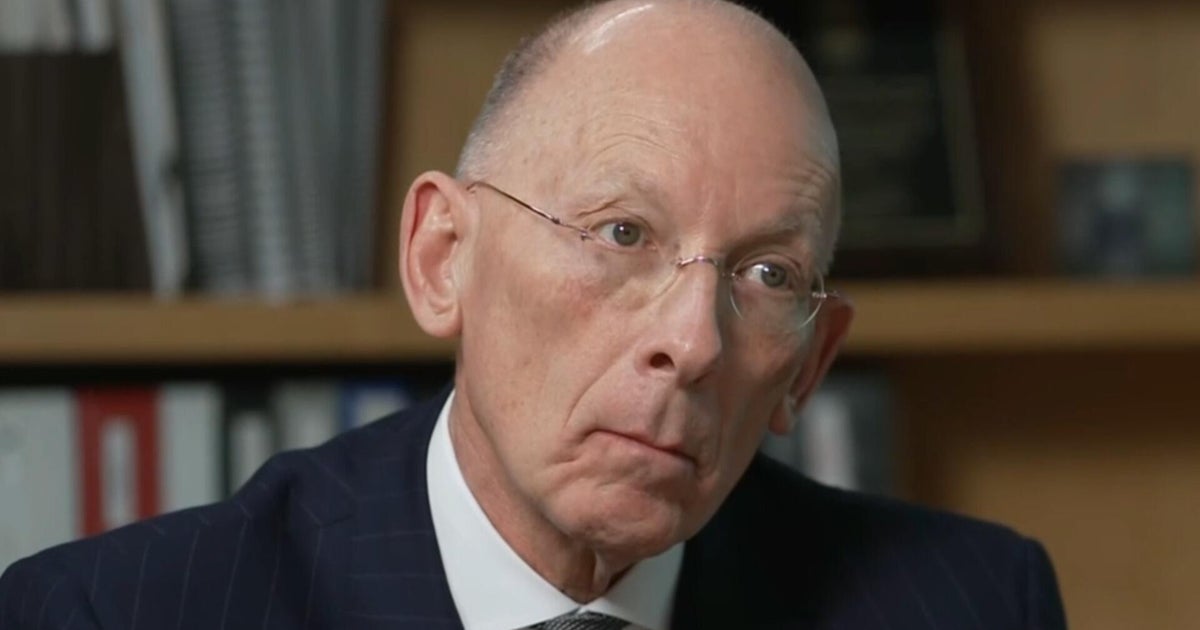
In response to these allegations, Minnesota Corrections Commissioner Paul Schnell has categorically denied the federal claims. In an interview with CBS News homeland security correspondent Nicole Sganga, Schnell stated that accusations of non-cooperation are unfounded, insisting that Minnesota authorities have maintained appropriate levels of coordination with federal agencies while following state protocols.
The disagreement emerges amid heightened national attention on immigration enforcement policies. Similar conflicts between federal agencies and local governments have occurred in other states, particularly those with so-called “sanctuary” policies that limit local law enforcement cooperation with federal immigration authorities.
Minnesota, like several other states, has grappled with balancing public safety concerns against immigrant community rights. Local officials often contend they must maintain trust with immigrant populations to ensure effective community policing, while federal authorities argue full cooperation is essential for national security and immigration law enforcement.
The dispute potentially stems from different interpretations of what constitutes adequate cooperation. Federal authorities typically seek notification when undocumented immigrants are released from local custody and request detainers to hold individuals for potential deportation proceedings. Local jurisdictions, meanwhile, may have policies limiting such cooperation without judicial warrants.
Immigration policy experts note that these intergovernmental conflicts have intensified in recent years as immigration remains a divisive political issue. The Biden administration has faced criticism from both sides – from those who believe enforcement has been too lax and others who argue certain enforcement actions are too aggressive.
For Minnesota residents, particularly those in immigrant communities, the public disagreement between state and federal authorities creates uncertainty regarding how immigration enforcement will be conducted in their neighborhoods. Community advocacy groups have expressed concerns about the potential impact on immigrant families and their willingness to interact with local authorities.
The dispute also raises legal questions about the extent to which federal agencies can compel local cooperation. Supreme Court rulings have previously limited the federal government’s ability to force state and local authorities to assist in immigration enforcement.
Commissioner Schnell’s direct refutation of DHS claims suggests Minnesota officials believe they are operating within legal boundaries while maintaining their own priorities and policies. His interview with CBS News represents an unusually public pushback against federal characterizations of state-level cooperation.
Economic implications also shadow this dispute, as Minnesota, like many states, relies on immigrant labor in key industries including agriculture, food processing, and healthcare. Business leaders have increasingly voiced concerns about immigration enforcement actions that might disrupt workforce stability.
The disagreement between DHS and Minnesota authorities reflects broader tensions in American governance regarding immigration policy implementation. While federal agencies hold primary authority over immigration enforcement, practical implementation often requires coordination with state and local entities that may have different priorities and legal obligations.
As this situation develops, both Minnesota officials and federal authorities will likely face pressure to clarify the specific nature of their disagreements and establish clearer parameters for cooperation. Congressional representatives from Minnesota may also become involved in mediating the dispute or advocating for their constituents’ interests.
The public nature of this disagreement, highlighted by Commissioner Schnell’s interview with CBS News, ensures that Minnesota’s approach to federal immigration enforcement will remain under scrutiny from both immigration advocates and enforcement proponents in the coming months.
Fact Checker
Verify the accuracy of this article using The Disinformation Commission analysis and real-time sources.

10 Comments
Disputes over jurisdiction and cooperation between different levels of government are not uncommon, especially on sensitive topics like immigration. I’m curious to see how this particular case evolves.
Maintaining transparency and open communication will be important for finding a constructive resolution that balances various priorities and concerns.
Immigration enforcement is a highly charged and politically contentious issue. Careful, fact-based analysis from all sides is needed to understand the complexities at play here.
This seems to be another case of the ongoing tensions between federal and state/local authorities over immigration enforcement. It’s important to hear both sides and understand the nuances involved.
Maintaining appropriate cooperation while following state protocols is a delicate balance. Hopefully the parties can find a constructive resolution.
The dispute over cooperation with ICE is a complex issue without easy answers. I’m curious to learn more about Minnesota’s perspective and how they are trying to balance federal requirements with their own policies.
Reasonable people can disagree on the right approach. Listening to all stakeholders is key to finding a workable solution in these sensitive situations.
This seems like another chapter in the ongoing national debate over the appropriate roles and responsibilities of federal, state, and local authorities on immigration enforcement. I’ll be following this story closely.
This highlights the ongoing tug-of-war between federal immigration enforcement and state/local policies. It will be interesting to see how this particular case unfolds and if any broader lessons emerge.
The Minnesota corrections chief’s denial of the federal claims seems straightforward, but I’m sure there’s more nuance to the situation that isn’t being reported.