


Listen to the article
False Cancer Claims About Ja Morant Expose Social Media Misinformation Risks
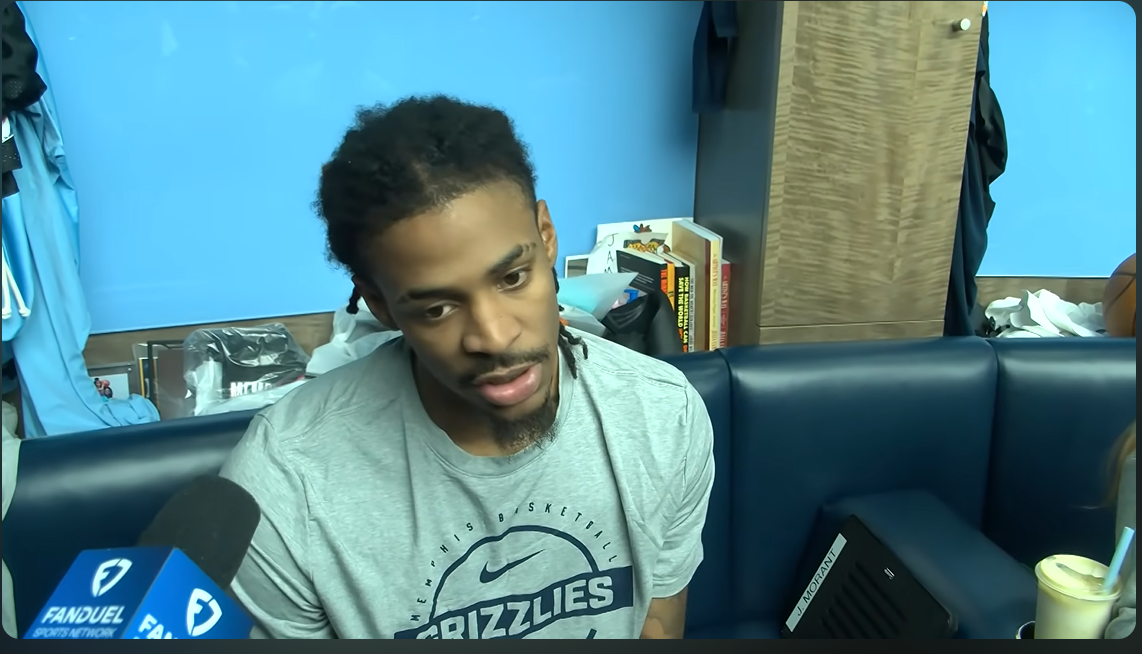
False claims that Memphis Grizzlies star Ja Morant has been diagnosed with lung cancer spread rapidly across social media platforms this week, causing confusion among basketball fans and highlighting the ongoing problem of misinformation in the digital age.
The fabricated health crisis originated from a TikTok video created by a user named Templex, who shared a doctored screenshot of a tweet supposedly posted by Morant’s father. The manipulated image claimed the NBA guard would miss the entire season due to lung cancer and included a Bible verse from Psalm 28:7 to lend an appearance of authenticity.
The hoax gained significant traction before being identified as false, with multiple TikTok videos promoting the fabrication accumulating over 100,000 combined views and nearly 4,000 likes. The rapid spread demonstrates how quickly unverified claims can circulate through social platforms, particularly when they involve high-profile athletes.
Fan reactions varied widely across social channels. Many expressed concern and offered prayers for Morant’s supposed recovery, while others immediately questioned the validity of the claims. Critics directed anger toward the content creator for manufacturing health misinformation about a public figure. Templex later expressed uncertainty about the authenticity of the information, though only after the content had already reached a massive audience.
Multiple media outlets have confirmed that no such tweet ever appeared on any verified Morant family social media accounts. The 24-year-old guard has not been diagnosed with lung cancer or any similar condition, and the January 26 post attributed to his father never existed outside of the manipulated screenshot.
The timing of these false rumors coincided with legitimate health concerns surrounding Morant. During a January 21 game against the Atlanta Hawks, he suffered a real injury—an ulnar collateral ligament sprain in his left elbow. The Grizzlies lost that contest 124-122, with the injury forcing Morant to the sidelines.
Three days later, on January 24, the Memphis organization released an official statement addressing his condition. The team confirmed Morant would make a full recovery and undergo reassessment in approximately three weeks. Unlike the fabricated cancer claims, the actual elbow injury carries no season-ending implications.
This latest setback adds to what has been a frustrating season for both Morant and Grizzlies fans. Prior to the elbow issue, he had already missed six consecutive games because of a right calf contusion. His combined absences now total 25 games out of 45 this season—more than half the schedule. The frequent sidelined periods have disappointed fans eager to watch one of the league’s most dynamic players perform.
“It’s getting harder to buy tickets to see him play when you don’t know if he’ll actually be on the court,” said one fan on social media, reflecting a sentiment shared by many supporters who plan attendance around star players.
The pattern of missed games has raised broader questions about Morant’s long-term durability and availability. While the current elbow sprain should resolve with proper rest and rehabilitation, the trend of injuries represents a concerning pattern for both the player and the franchise, which has built its competitive strategy around his talents.
Morant will miss games at least through mid-February as he recovers. The Grizzlies medical staff will monitor his progress and determine when he can safely return to basketball activities. The three-week reassessment window provides a framework for his potential comeback, though the team emphasizes they will prioritize complete recovery over rushing their star player back to action.
The false cancer rumors added unnecessary stress to an already challenging situation for the Grizzlies organization. The incident serves as a reminder of how misinformation can spread rapidly in today’s social media landscape, particularly when it involves celebrities or athletes with large followings.
Sports fans seeking accurate updates about player health are advised to rely on official team announcements and verified news sources rather than unconfirmed social media posts, particularly those making extraordinary claims without evidence or attribution to recognized medical professionals.
Fact Checker
Verify the accuracy of this article using The Disinformation Commission analysis and real-time sources.

15 Comments
While I’m glad the Ja Morant cancer rumors were debunked, this whole episode is a reminder of how vulnerable we are to digital misinformation. We need better tools to combat it.
Sad to see how quickly misinformation can spread, even about something as serious as a cancer diagnosis. We have to stay critical of what we see online.
Agreed. Fact-checking is crucial, especially for high-profile stories that could impact people’s lives.
While I’m relieved the lung cancer claim was false, it’s worrying how easily fabricated health crises can gain traction on social media these days. We need better digital literacy.
Kudos to the journalists who investigated and exposed this false claim. Fact-checking and accountability are crucial to combating the spread of misinformation.
Social media hoaxes involving high-profile figures are nothing new, but they’re still deeply concerning. We have to stay critical consumers of online content.
Unfortunate that someone would create a false claim about an athlete’s health for attention or likes. Hopefully this incident encourages more responsible social media behavior.
This incident highlights the need for greater media literacy education. Teaching people to identify and avoid misinformation should be a priority.
Appreciate the reporters shining a light on this hoax and debunking the false claims. Responsible journalism is key to combating social media misinformation.
Glad to see this rumor proven false. We should be careful about spreading unverified health claims, especially involving public figures. Social media misinformation can cause real harm and confusion.
Hopefully this serves as a wake-up call for social media platforms to improve their policies and enforcement around verifying health-related claims before allowing them to spread.
This is an important reminder to always fact-check viral claims before sharing. It’s too easy for doctored screenshots and hoaxes to spread rapidly online these days.
Absolutely. We need to be more vigilant about verifying information, especially related to sensitive topics like health.
This is a good example of why we should always be skeptical of unverified health claims, especially those involving public figures. Misinformation can have real consequences.
It’s disturbing to see how damaging fabricated health stories can be, even if they’re eventually proven false. We have to be more vigilant in our online lives.