


Listen to the article
Immigration enforcement operations across major U.S. cities have intensified in recent months, sparking a heated debate about who exactly is being targeted in these sweeps. Despite assertions from right-wing media outlets that Immigration and Customs Enforcement (ICE) is primarily focusing on dangerous criminals, government data and documented cases tell a more complex story.
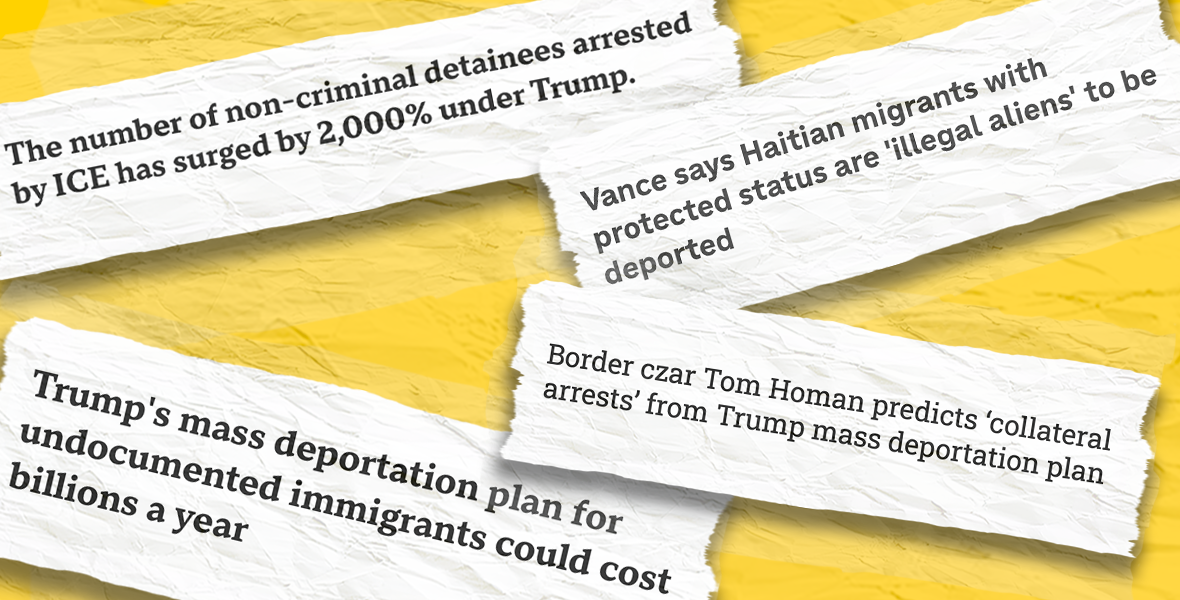
An analysis of recent ICE arrest records reveals that a significant portion of those detained had no criminal history whatsoever. Many individuals were taken into custody solely for civil violations of immigration law, such as overstaying visas or entering the country without proper documentation. These civil infractions, while technically violations of immigration regulations, are distinctly different from criminal offenses that might justify claims of targeting “the worst of the worst.”
The narrative that ICE operations exclusively target dangerous criminals has been further undermined by multiple verified incidents involving the detention of legal permanent residents and even U.S. citizens. These cases, which have drawn criticism from civil rights organizations and immigration advocates, raise serious questions about the scope and methods of current enforcement actions.
In Francisco County, for instance, a U.S. citizen was detained for three days before officials acknowledged their error. Similar incidents have been reported in several other states, creating what critics describe as an atmosphere of fear in immigrant communities.
Statements from administration officials themselves have contradicted the focused-enforcement narrative. In briefings before major operations, officials have openly discussed the likelihood of “collateral arrests” – the detention of undocumented individuals who happen to be present during operations targeting others. This acknowledgment directly challenges the notion that operations are surgically precise in targeting only those with serious criminal records.
Furthermore, administration officials have stated that families could be “deported together,” indicating a broader enforcement approach that extends beyond individuals with criminal backgrounds. These statements align with the increased numbers of family detentions reported in several regions across the country.
Immigration policy experts note that this discrepancy between public messaging and actual enforcement practices is not new. “There has often been a gap between the stated priorities of immigration enforcement and the reality on the ground,” explains Dr. Elena Vasquez, professor of immigration policy at Georgetown University. “The current operations appear to be casting a wider net than what is being portrayed in certain media segments.”
The expansion of enforcement operations has had tangible effects on immigrant communities nationwide. Business owners in areas with large immigrant populations report decreased foot traffic as people avoid public spaces out of fear. School administrators in several districts have noted increased absenteeism among children from immigrant families.
Economic analysts point out potential ripple effects across industries that rely heavily on immigrant labor. Agricultural sectors in California and Florida, construction in Texas, and service industries in major urban centers could face workforce disruptions if enforcement operations continue to broaden.
Legal aid organizations have reported a surge in calls from concerned immigrants seeking information about their rights. “People are afraid to go to work, take their children to school, or even seek medical care,” says Roberto Mendez of the Immigrant Legal Resource Center. “The fear extends far beyond those with criminal records.”
The debate occurs against the backdrop of a deeply divided political landscape regarding immigration policy. While some advocate for stricter enforcement across the board, others call for more targeted approaches that prioritize public safety threats while minimizing disruption to families and communities.
As operations continue across major metropolitan areas, the distinction between targeted criminal enforcement and broader immigration sweeps remains a critical point of contention in the national conversation about immigration policy, its implementation, and its human impact.
Fact Checker
Verify the accuracy of this article using The Disinformation Commission analysis and real-time sources.

12 Comments
The cost guidance is better than expected. If they deliver, the stock could rerate.
Uranium names keep pushing higher—supply still tight into 2026.
The cost guidance is better than expected. If they deliver, the stock could rerate.
Silver leverage is strong here; beta cuts both ways though.
If AISC keeps dropping, this becomes investable for me.
Good point. Watching costs and grades closely.
Good point. Watching costs and grades closely.
Interesting update on Media Outlets Misrepresent ICE Enforcement Priorities with Inaccurate Claims. Curious how the grades will trend next quarter.
Good point. Watching costs and grades closely.
The cost guidance is better than expected. If they deliver, the stock could rerate.
Silver leverage is strong here; beta cuts both ways though.
The cost guidance is better than expected. If they deliver, the stock could rerate.