


Listen to the article
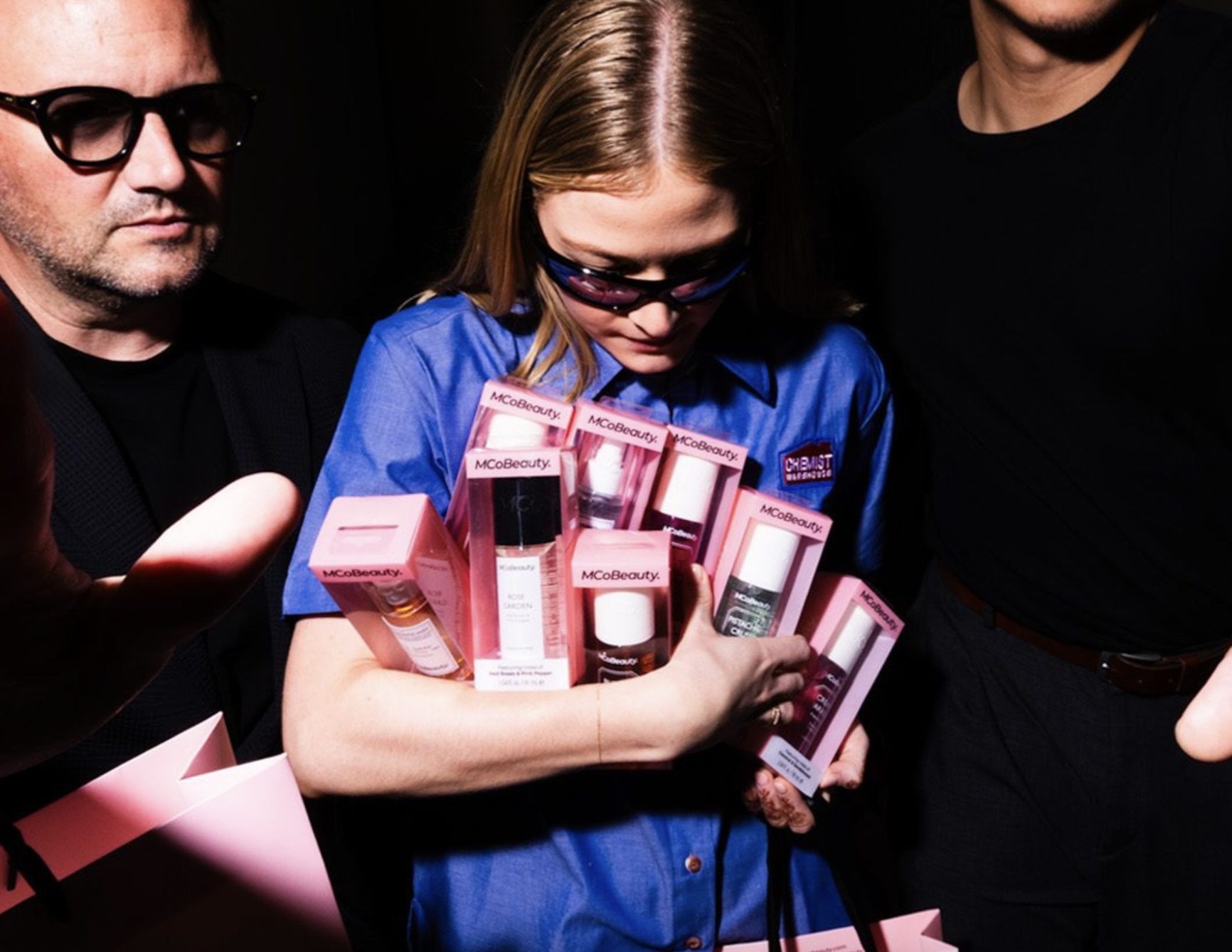
Australian beauty brand MCoBeauty is fighting back against a lawsuit filed by Sol de Janeiro, arguing that its fragrance mists represent legitimate competition rather than trademark infringement. In a motion to dismiss filed on January 27 with the Southern District of New York, MCoBeauty contends that the lawsuit is merely an attempt to stifle market competition.
The legal battle began in November 2024 when Sol de Janeiro (SDJ) accused MCoBeauty of copying the packaging, color schemes, and branding of its popular Cheirosa body mist line. SDJ amended its complaint a year later, alleging that the Australian company had orchestrated a campaign of influencer marketing, curated consumer reviews, and comparative advertising designed to trade on SDJ’s goodwill and mislead consumers.
MCoBeauty defends its business model as openly drawing inspiration from trends popularized by higher-priced brands, positioning itself in what it describes as “dupe culture” – a phenomenon widely recognized in the beauty industry and driven by social media. The company cited a 2023 Business Insider survey showing that 71% of Gen Z and 67% of millennials regularly purchase “dupes” of more expensive beauty products, arguing that this trend “reflects ordinary competition, not deception.”
At the heart of SDJ’s false advertising claim are statements from influencers and customer reviews suggesting MCoBeauty’s products “smell exactly like” or outlast SDJ’s offerings. MCoBeauty counters that none of these statements originated with the company itself, characterizing them as subjective consumer opinions rather than factual claims that could be attributed to the brand.
In one example highlighted in court documents, an influencer named @laurenilord compares the two products and states they “smell exactly” alike – language that MCoBeauty frames as puffery rather than objective fact. The company emphasizes that consumer reviews are subjective by nature and cannot reasonably be construed as the company’s own speech under the Lanham Act.
MCoBeauty’s motion also challenges SDJ’s trade dress claim, arguing that design elements like bottle shape and font are generic, functional, and therefore unprotectable under trademark law. The company points out that the trade dress in question is unregistered and that SDJ has failed to demonstrate non-functionality or secondary meaning – critical elements for trade dress protection.
Perhaps most boldly, MCoBeauty questions SDJ’s legal standing to bring the lawsuit at all. To maintain a Lanham Act claim, plaintiffs must show they’ve suffered actual injury. MCoBeauty argues that SDJ has undermined its own claim of harm by highlighting its commercial success – over $450 million in revenue in just six months and a 19% year-over-year increase in U.S. sales.
“There are no allegations that SDJ’s sales were negatively impacted,” the motion states. “In fact, SDJ undermines its own claim of harm by boasting of its success.”
The case illuminates growing tensions in the beauty industry, where the distinction between inspiration and imitation has become increasingly blurred. For premium brands like Sol de Janeiro, the rise of “dupe culture” presents both reputational and financial challenges. However, the legal question before the court isn’t simply whether the products resemble each other, but whether consumers are genuinely misled and whether trademark and advertising laws should shield established brands from intentional but potentially legitimate competition.
This lawsuit comes at a time when consumers are increasingly savvy about seeking out more affordable alternatives to premium products, particularly in the beauty sector. Social media platforms like TikTok and Instagram have accelerated the “dupe” phenomenon, with content creators specifically highlighting budget-friendly alternatives to high-end products.
The outcome could have significant implications for how beauty brands position “inspired by” products and how courts interpret the balance between fair competition and trademark protection in an era of social media-driven consumer trends.
The case is Sol De Janeiro, Inc. v. MCoBeauty Pty Ltd, 1:24-cv-08862 (SDNY).
Fact Checker
Verify the accuracy of this article using The Disinformation Commission analysis and real-time sources.

8 Comments
This legal battle highlights the complex interplay between brands, consumers, and the role of social media in shaping market dynamics. I’m curious to see how the court weighs the competing interests at play in this case.
This is a fascinating case that gets at the heart of the tension between innovation, competition, and consumer demand. I’m curious to see how the court navigates the tricky balance between protecting IP and allowing affordable alternatives to thrive.
It will be interesting to see if MCoBeauty’s ‘dupe culture’ defense holds up. While consumers may appreciate affordable options, brands also need to protect their IP investments. This case could have broader implications for the beauty industry.
Interesting battle over competing beauty brands. It seems MCoBeauty is defending its ‘dupe culture’ business model as legitimate competition, not trademark infringement. It will be fascinating to see how the court rules on this case.
It’s interesting that MCoBeauty is framing this as a case of legitimate competition rather than trademark infringement. The ‘dupe culture’ trend does seem to be a reality that brands have to navigate. I wonder how the court will balance consumer interests with IP protection.
The beauty industry is no stranger to copycat products, but this case seems to raise some nuanced questions. Does ‘dupe culture’ provide valuable competition, or is it just exploiting higher-priced brands’ investments? The court’s decision could set an important precedent.
The ‘dupe culture’ phenomenon driven by social media is a fascinating dynamic in the beauty industry. It’s understandable why higher-priced brands would want to protect their IP, but consumers also seem to appreciate affordable alternatives. This case could set an important precedent.
This legal battle highlights the complex interplay between innovation, competition, and consumer preferences in the beauty market. I’m curious to see if MCoBeauty’s defense of its business model as drawing inspiration from trends will hold up in court.