


Listen to the article
Manhattan College Settles PPP Fraud Case for $8.4 Million
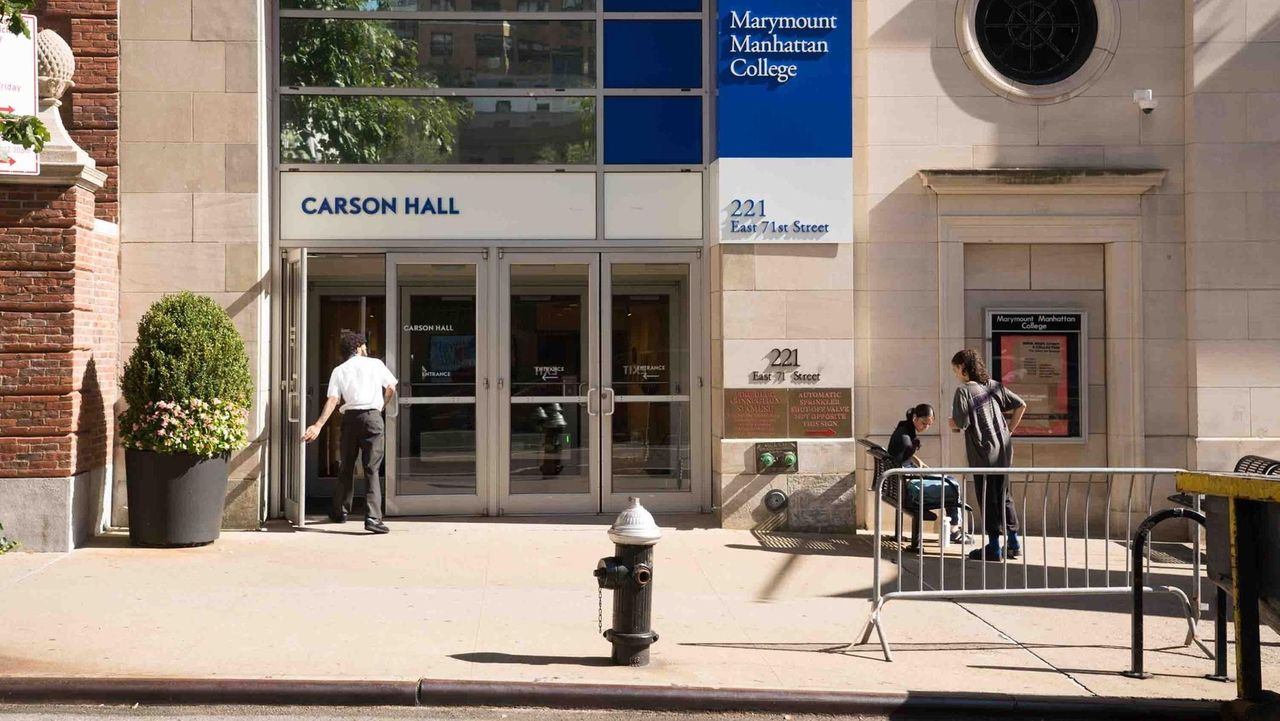
Marymount Manhattan College has agreed to pay $8.4 million to the federal government to settle allegations that it fraudulently obtained pandemic relief funds. The private liberal arts institution admitted it was ineligible for the $6.6 million Paycheck Protection Program (PPP) loan it received in spring 2020 during the height of the coronavirus pandemic.
Federal prosecutors revealed the college’s workforce exceeded 800 employees the year prior to receiving the loan, significantly above the 500-employee limit required to qualify for the program.
The settlement, negotiated between the U.S. Attorney for the Southern District of New York and Marymount, highlights an increasingly important enforcement mechanism that has emerged since the pandemic: private citizens bringing lawsuits under the False Claims Act.
This 162-year-old law permits whistleblowers to take legal action on the government’s behalf and collect a portion of any recovered funds. Combined with investigations by the Justice Department and Small Business Administration, these cases have returned billions of dollars improperly distributed during the COVID-19 crisis.
The Marymount case was initiated two years ago by Patricia Lesko, a 64-year-old Michigan resident who describes herself as an independent investigative journalist. In her Manhattan federal court filing, Lesko not only targeted Marymount but also accused nine other nonprofit arts and educational institutions in New York State of defrauding the PPP program of more than $50 million.
Lesko has been particularly active in pursuing such cases, filing similar lawsuits in Michigan and Ohio in 2023. For her role in the Marymount settlement, court documents show she received $419,638 – nearly half a million dollars for her efforts.
“The PPP was supposed to ease financial and economic strain caused by the pandemic by providing businesses with forgivable loans. But too many applicants applied for and received taxpayer money that they had no right to receive,” said U.S. Attorney Jay Clayton when announcing the settlement.
Marymount, which serves approximately 1,600 undergraduates on Manhattan’s Upper East Side, has substantial financial resources. According to its most recent available tax return, the college reported 2024 revenue exceeding $80 million and assets of $132 million. The institution, where six in ten students major in visual and performing arts, declined to comment on the settlement.
Thomas F. Wieder, Lesko’s former attorney who filed her cases in Michigan and Ohio, explained her methodology: “She matched up the public information and then looked for nonprofits that had more than 500 employees because that meant they weren’t eligible for the loan.”
Unlike traditional whistleblowers, Lesko had no insider connection to the institutions she accused. “Pat wasn’t personally involved. She discovered something that she thought was wrong and filed claims,” Wieder said.
A Newsday review of court filings across nine states identified at least a dozen individuals who have filed False Claims Act suits related to PPP fraud in the past five years. In nearly 20 of these cases, federal prosecutors determined the allegations warranted further action, resulting in settlements totaling $64 million. Whistleblowers have collected more than $5.5 million from these settlements.
The financial incentives built into the False Claims Act are deliberate, according to experts. “The system is set up to reward you for discovering and pursuing a wrong that the government may not be aware of or lacks the resources to bring a case,” Wieder explained.
However, not all of Lesko’s cases have resulted in settlements. U.S. Attorneys in Michigan and Ohio declined to intervene in her lawsuits filed in those states, and the cases were subsequently dismissed at Lesko’s request.
Rodger D. Citron, associate dean at Touro University’s Jacob D. Fuchsberg Law Center, noted this outcome isn’t unusual. “Without the Justice Department, the likelihood of recovery often is lower, sometimes much lower,” he said.
The Marymount settlement comes amid broader scrutiny of pandemic-era relief programs, which distributed trillions of dollars rapidly with limited oversight. As investigations continue, the role of private citizens in uncovering fraud has sparked debate, with three Supreme Court justices recently questioning whether the Constitution permits citizens to act as prosecutors on behalf of the government.
Fact Checker
Verify the accuracy of this article using The Disinformation Commission analysis and real-time sources.

8 Comments
This is a significant settlement, but I wonder if it really sends a strong enough message. Billions in pandemic relief funds have been misused – the government needs to come down hard on any institution or individual caught defrauding these critical programs.
I agree, the scale of COVID-19 relief fraud is concerning. Steep penalties and high-profile prosecutions may be necessary to deter this kind of abuse in the future.
This is a concerning case of COVID-19 relief fraud. It’s good to see the government taking action to recover misused funds and hold institutions accountable. Proper oversight and enforcement are crucial to ensure pandemic aid reaches those who truly need it.
I agree. The False Claims Act seems to be an effective tool for uncovering and addressing this type of fraud. Whistleblowers play an important role in identifying abuse of public funds.
It’s disappointing to see a college like Marymount Manhattan abuse the PPP program in this way. Institutions should be setting a good example, not exploiting crisis relief for their own gain. Hopefully this settlement serves as a deterrent for other organizations considering similar fraudulent behavior.
Absolutely. Fraud drains resources away from the people and businesses that need pandemic support the most. Strong enforcement and penalties are crucial to maintain public trust in relief programs.
The COVID-19 pandemic was an extremely challenging time, but that doesn’t justify taking advantage of relief funds. I’m glad the government is cracking down on this type of fraud to ensure the integrity of these important programs.
It’s important that institutions like Marymount Manhattan are held accountable for fraudulent use of pandemic aid. Misusing public funds intended for crisis relief is a serious breach of the public trust.