


Listen to the article
Audit Exposes Ksh11 Billion Fraud at Kenya’s Social Health Authority
An extensive audit by the Ministry of Health has revealed that the Social Health Authority (SHA) lost Ksh11 billion to fraudulent claims between October 2024 and April 2025, with private hospitals being the primary culprits in what officials describe as systematic theft from Kenya’s universal health coverage scheme.
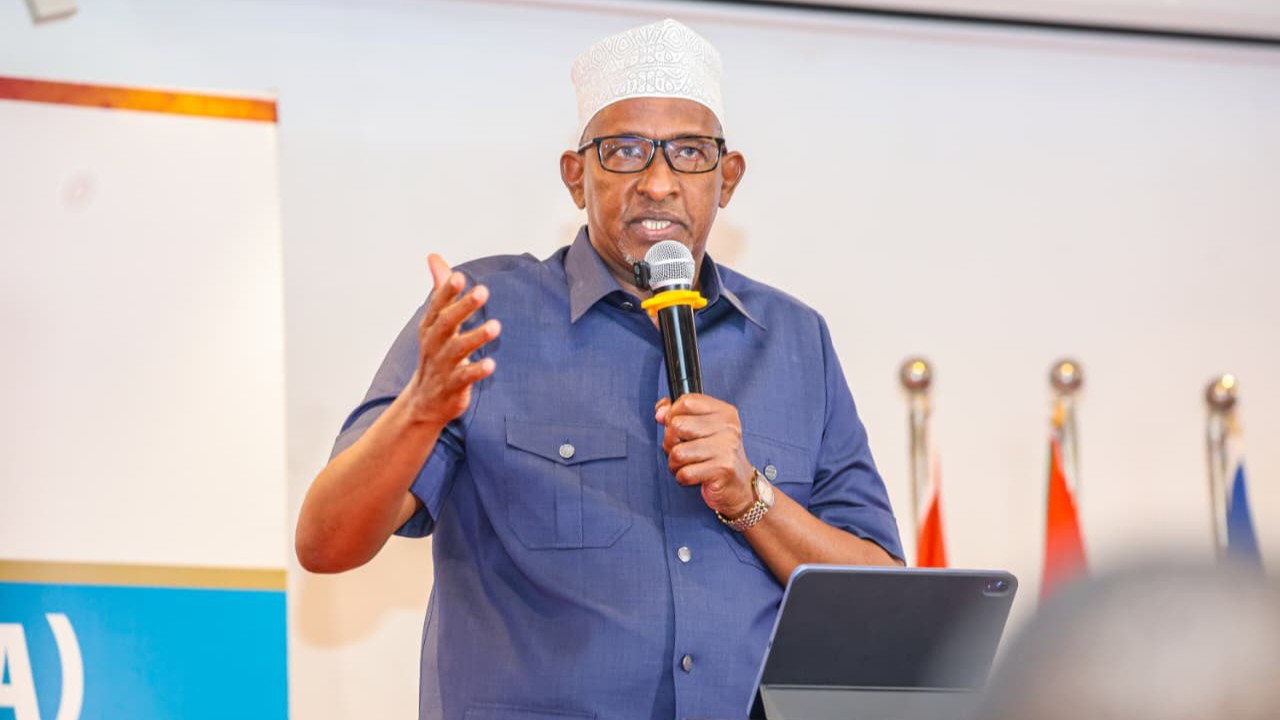
Health Cabinet Secretary Aden Duale confirmed that the six-month period marked the height of fraudulent activity within the national health insurance program, with private and referral hospitals accounting for the majority of rejected claims. Faith-based facilities, by contrast, demonstrated significantly lower rates of suspicious billing.
According to an investigation by Nation, hospitals employed various deceptive tactics to inflate payments, including converting routine outpatient visits into fictional inpatient admissions, billing for costly procedures that were never performed, and in some cases, even registering their own healthcare workers as patients to create entirely false claims.
In maternity departments, facilities routinely classified all deliveries as caesarean sections to receive higher reimbursements, despite this practice contradicting World Health Organization standards. Many surgical claims lacked essential documentation like theatre notes, making verification impossible.
The government has initiated legal action, with 118 files submitted to the Directorate of Criminal Investigations. So far, 24 facilities have confirmed fraud cases, 61 are under active investigation, and 15 cases have been forwarded to the Director of Public Prosecutions. More than 40 medical professionals, including 18 doctors and 22 clinicians, have been blocked from accessing the SHA portal due to their involvement in fraudulent activities.
Despite these significant losses, Duale noted that the government had contributed Ksh75 billion to the Social Health Insurance Fund over the past 14 months and remains committed to recovering stolen funds while ensuring Kenyans receive the healthcare services they have paid for.
Nairobi Property Market Shows Mixed Growth in High-End Neighborhoods
Lavington has emerged as the leader in house price growth among Nairobi’s upscale neighborhoods, with values increasing by 2.8% in the fourth quarter of 2025, according to the latest HassConsult House Price Index. Westlands and Karen followed closely with growth rates of 2.6% and 2.4%, respectively.
Overall property prices across 18 of Nairobi’s established suburbs grew by a modest 0.8% during the quarter, while rental rates showed a more robust increase of 1.5%, as reported by Capital Business. The rental market saw particularly strong performance in Runda, where rates climbed 3.1%, followed by Lavington at 2.6% and Upper Hill apartments at 2%.
Not all areas experienced growth, however. Westlands apartments recorded the largest annual price decline at 11.5%, though the rate of decrease slowed to just 0.5% in the fourth quarter, suggesting a potential stabilization in this segment of the market.
In the satellite towns surrounding Nairobi, Tigoni led both house price and rental growth at 2.2% and 2.8% respectively, with Ruiru close behind. The satellite areas showed a particular surge in apartment rental prices, with Ruiru seeing a remarkable 15.6% increase over the course of 2025, indicating growing demand for more affordable housing options outside the capital’s core neighborhoods.
Kenya Airways Shares Soar 70% Amid Strategic Changes and Investor Speculation
Kenya Airways (KQ) shares have surged dramatically by 69.7% over eight trading days, closing at Ksh5.50 on Tuesday, up from Ksh3.24 on January 15. The rally has generated paper gains of Ksh13.1 billion for shareholders, amid market speculation about potential talks with a strategic investor and significant governance changes.
As reported by Business Daily, a key development contributing to investor confidence was the creation of a new board seat representing Kenyan banks, with the appointment of Esther Koimett to represent KQ Lenders Company 2017 Limited. This consortium of ten local banks holds approximately 38% of the airline following a debt-to-equity conversion during a previous financial restructuring.
While Kenya Airways has not officially confirmed discussions with potential investors, the appointment of Koimett, who brings extensive expertise in finance and corporate restructuring, is viewed as a strategic move to strengthen decision-making as the airline continues to seek capital injections. The national carrier faces significant financial challenges, including a negative book value of Ksh129.5 billion, which has made sustainable recovery difficult despite government support.
The involvement of the banking consortium through direct board representation signals a more active approach by major stakeholders in steering the airline’s strategic direction, potentially paving the way for significant operational and financial restructuring in the coming months.
County Audits Uncover Widespread Ghost Worker Fraud Costing Billions
Special audits conducted across 26 Kenyan counties have revealed alarming evidence of possible ghost workers, with approximately 25.3% of sampled employees unable to be physically verified despite receiving salaries. The investigation found that 596 out of 2,354 employees under review could not be traced, yet collectively received Ksh978 million in compensation between July 2021 and June 2024.
The comprehensive audits, led by Auditor-General Nancy Gathungu, identified Machakos, Mandera, Kajiado, Nairobi, and Nandi counties as among the worst affected by the scheme. In these regions, non-verified staff pocketed salaries ranging from Ksh47.6 million to Ksh112 million over the three-year audit period.
The findings highlight serious vulnerabilities in county payroll systems, particularly where manual processes remain in use, creating opportunities for fraud, irregular payments, and artificially inflated wage bills. When extrapolated across all counties, the audit suggests that local governments may have paid as much as Ksh33.5 billion to non-existent staff in the 2024/25 fiscal year alone, representing a significant portion of the total county wage bill of Ksh132.2 billion.
The revelations come as counties continue to struggle with budget constraints and service delivery challenges, raising urgent questions about financial controls and accountability mechanisms in local government operations. The Auditor-General’s office has recommended immediate verification exercises across all counties and implementation of integrated human resource management systems to prevent further losses.
Fact Checker
Verify the accuracy of this article using The Disinformation Commission analysis and real-time sources.

9 Comments
This fraud scandal is a major setback for Kenya’s efforts to provide affordable, accessible healthcare for all. It’s deeply concerning to see private hospitals exploiting the system in such a calculated way, bilking billions from the public coffers. Strong enforcement and systemic reforms will be essential to regain control and prevent future abuse of the national insurance program.
This is a very troubling case of systemic fraud within Kenya’s national health insurance program. It’s appalling that private hospitals would exploit the system in such a predatory way, stealing billions from funds intended to provide healthcare for the people. I hope the authorities are able to recover as much of the stolen money as possible and hold the culpable parties fully accountable.
This is a major setback for Kenya’s efforts to provide quality, affordable healthcare for all citizens. It’s disturbing to see private hospitals exploiting the system in such a calculated, predatory way. The government will need to conduct a full forensic audit, recoup the stolen funds, and implement stringent new safeguards to protect the integrity of the national insurance program.
11 billion shillings lost to healthcare fraud is an outrageous breach of public trust. I’m glad the government audit uncovered this systematic abuse, but the real test will be how effectively they can claw back the stolen funds and hold the culpable parties accountable. Stronger oversight and tighter controls within the insurance system are clearly needed to prevent this from happening again.
Agreed, the government needs to take decisive action to recover the losses and overhaul the system to restore public confidence. Transparency and accountability will be key to ensuring the universal healthcare initiative achieves its intended goals.
What a disappointing turn of events. The Kenyan government’s universal healthcare initiative was meant to improve access and affordability, but it seems some private hospitals took advantage and siphoned off billions through fraudulent claims. This kind of systemic abuse undermines the whole system. Rigorous auditing and accountability measures will be crucial to regain public confidence.
I agree, the scale of this fraud is truly shocking. Holding the responsible parties accountable will be essential, but the bigger challenge is rebuilding the integrity of the health insurance system to prevent future abuse.
It’s disheartening to read about this brazen healthcare fraud scandal. Diverting funds intended for universal health coverage is a serious betrayal of the public trust. I hope the investigation leads to meaningful consequences for the culpable parties, and that robust new safeguards are put in place to protect the integrity of Kenya’s national insurance program going forward.
Wow, 11 billion Kenyan shillings lost to fraudulent claims – that’s an astronomical sum. It’s concerning to see the scale of abuse, with hospitals using deceptive tactics like false inpatient admissions and inflated procedure billing. Glad the government audit uncovered this, but they have a massive challenge ahead to recoup the stolen funds and reform the system to prevent future fraud.