


Listen to the article
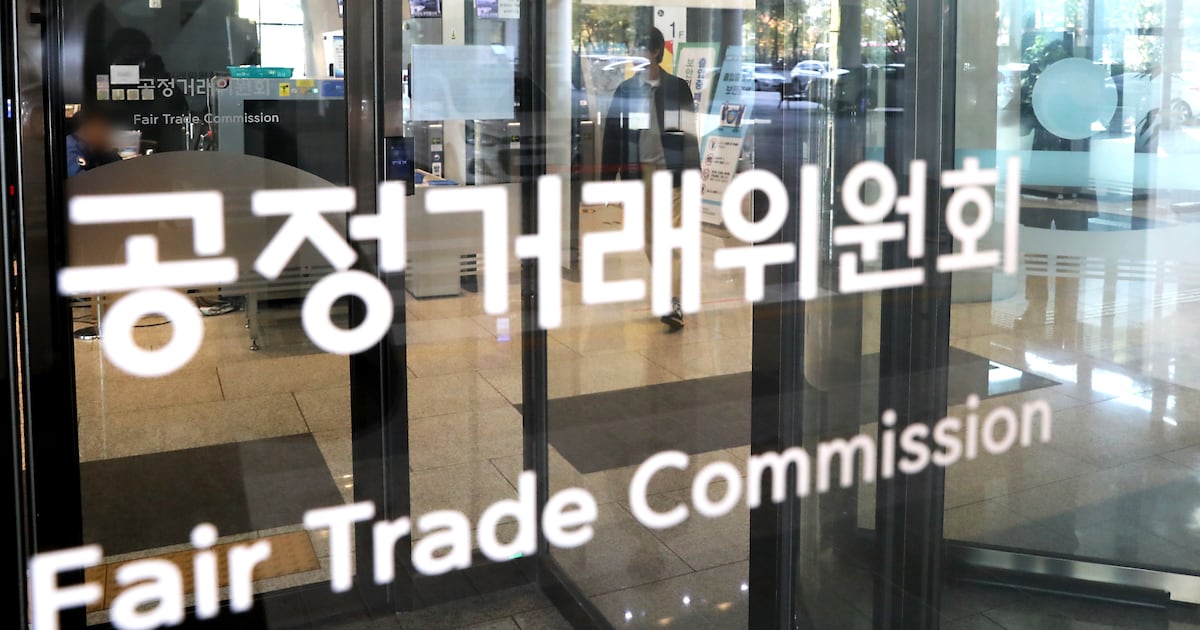
South Korea’s Fair Trade Commission (KFTC) has imposed sanctions on multiple companies for making false claims about down and cashmere products, highlighting growing concerns about misleading labeling practices in the textile industry.
The watchdog announced penalties against several manufacturers and retailers who marketed products as containing premium materials that, upon inspection, contained significantly less of those materials than advertised or, in some cases, none at all.
Among the sanctioned companies was a major department store chain that sold jackets labeled as “90% down” when laboratory tests revealed actual down content of only 70%. The retailer has been ordered to correct its marketing materials and issue refunds to affected customers.
Another case involved a clothing manufacturer that marketed sweaters as “100% cashmere” when the products actually contained substantial amounts of wool and synthetic fibers. The KFTC noted that cashmere, derived from cashmere goats primarily in Mongolia and parts of China, commands premium prices due to its softness and insulating properties, making it a frequent target for misrepresentation.
“Consumers pay premium prices for natural materials like down and cashmere specifically for their superior qualities,” said a KFTC spokesperson. “When companies falsely claim product composition, they not only deceive customers but also gain unfair competitive advantages in the marketplace.”
The sanctions come amid increasing global scrutiny of textile labeling practices. Down products, which use the soft underlayer of feathers from ducks or geese, have seen particularly high rates of fraudulent claims in recent years. Industry experts note that the significant price difference between high-grade down and lower-quality alternatives creates strong financial incentives for misrepresentation.
Consumer advocates have welcomed the KFTC’s action. Kim Min-ji of the Korean Consumer Protection Association said: “These sanctions send an important message to the industry. Consumers have the right to know exactly what they’re paying for, especially when it comes to premium materials that command higher prices.”
The crackdown follows similar actions in Europe and North America, where authorities have increasingly targeted misleading claims about natural fiber content. Last year, Italian regulators fined several luxury brands for cashmere misrepresentation, while Canadian authorities implemented stricter down verification requirements following widespread testing failures.
Market analysts suggest the sanctions could have broader implications for South Korea’s textile and retail industries. Lee Sung-ho, a retail sector analyst at Hana Financial Investment, noted: “These penalties will likely prompt many companies to review their supply chains and testing procedures. We may see increased costs for verification, but also potentially higher consumer confidence in product claims over the long term.”
South Korea’s textile industry, valued at approximately 20 trillion won (US$15 billion), has been working to position itself in higher-value segments of the global market. The country’s exports of premium textiles and garments have grown steadily over the past five years, with a particular focus on technical fabrics and luxury materials.
The KFTC has ordered the sanctioned companies to implement corrective measures within 30 days, including accurate relabeling of products, customer notifications, and revising marketing materials. Financial penalties were also imposed, though the exact amounts were not disclosed in the initial announcement.
In response to the sanctions, the Korea Textile Association issued a statement pledging to work with its members to improve verification processes and ensure compliance with labeling regulations. The association also announced plans to introduce a voluntary certification program for natural fiber content claims.
Industry observers note that detecting fraudulent material claims often requires sophisticated testing methods. Down content analysis typically involves separating and weighing different components, while cashmere verification may require microscopic fiber examination or chemical testing to distinguish it from less expensive wools.
The KFTC indicated that it would continue monitoring the market for similar violations, with additional inspections planned for other premium textile products, including silk, merino wool, and organic cotton claims.
Fact Checker
Verify the accuracy of this article using The Disinformation Commission analysis and real-time sources.

14 Comments
Textile mislabeling is a persistent problem, so it’s good to see the KFTC cracking down. Consumers have a right to know what they’re buying, especially for expensive natural fibers like cashmere and down. Hopefully this sends a strong message.
Misleading labeling is a serious problem, especially for luxury fabrics like cashmere. Consumers deserve to get what they pay for. The KFTC’s penalties seem like a good deterrent against this type of deception.
Absolutely, false claims about materials content undermine consumer trust. The KFTC is right to crack down on this practice to protect shoppers.
Interesting to see the KFTC taking a firm stance against false marketing claims in the textile industry. Accurate labeling is crucial, especially for high-end products like cashmere and down.
Agreed, it’s important for regulators to monitor and enforce truth in advertising, especially for premium materials that can be easily substituted. Kudos to the KFTC for addressing this issue.
False advertising around cashmere and down is an ongoing problem in the textile industry. Good to see the KFTC taking enforcement action against companies making misleading claims. Consumers deserve transparency when purchasing high-end materials.
Absolutely, deceptive labeling undermines the entire market for these luxury fabrics. Hopefully the KFTC’s penalties will serve as a strong deterrent against future misconduct.
Misleading labeling on down and cashmere products is unacceptable. The KFTC is right to impose sanctions – companies need to be held accountable for deceiving customers. Transparency and honesty should be the standard.
Agreed, these penalties are warranted to protect consumers from fraudulent marketing claims. Textile manufacturers must provide accurate information about their materials.
This is an important issue as cashmere and down are high-value textiles. Manufacturers trying to pass off cheaper substitutes is concerning. The KFTC sanctions seem appropriate to address the problem.
True, these materials command premium prices so there’s a strong incentive for fraud. Glad the regulators are monitoring the situation and taking enforcement action.
It’s concerning to see major brands misrepresenting the contents of their products, especially for premium textiles like cashmere and down. The KFTC’s actions seem appropriate to address this issue and restore consumer trust.
False labeling claims are unethical and undermine consumer trust. Good to see the KFTC taking action to protect buyers from deceptive practices in the textile industry. Transparency and accurate product information are essential.
Agree, consumers deserve honesty when purchasing premium materials like down and cashmere. Hopefully these penalties will deter other companies from making similar misleading claims.