


Listen to the article
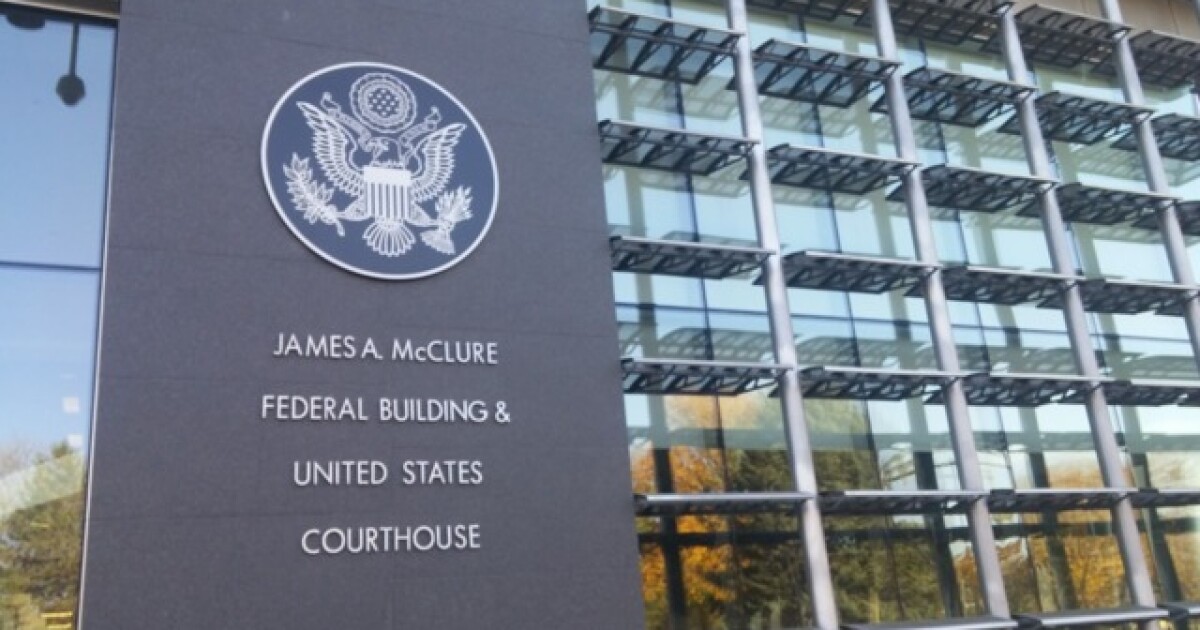
A federal jury in Boise, Idaho is deliberating in a high-profile defamation case highlighting the real-world consequences of viral misinformation in the aftermath of the 2022 University of Idaho student murders.
University of Idaho professor Rebecca Scofield is seeking damages from TikTok content creator Ashley Guillard, who published dozens of videos falsely linking Scofield to the murders that shocked the college town of Moscow, Idaho in November 2022. The videos, which garnered millions of views, also falsely claimed the professor had engaged in an inappropriate relationship with a student.
The case represents a significant legal test of accountability in the age of social media, where unfounded accusations can rapidly spread to vast audiences with little oversight.
Court records show that despite receiving cease-and-desist letters from Scofield’s attorneys warning that the claims were false and harmful, Guillard continued publishing accusatory content. The situation escalated even as authorities arrested Bryan Kohberger as the murder suspect and law enforcement officials publicly stated that Scofield had no connection to the crimes.
A federal judge has already ruled that Guillard’s statements were defamatory. The jury is now tasked with determining whether Scofield proved she suffered harm from the false accusations and, if so, what compensation she should receive.
During the second day of deliberations, the court heard expert testimony about how viral accusations can damage professional reputations, affect hiring decisions, and diminish long-term earning potential, even after allegations are disproven. A university dean who has worked closely with Scofield for nearly a decade testified that while the videos did not result in formal disciplinary action, they could create lasting professional consequences for the professor.
“Nobody has the right to make false statements that damage another person. The First Amendment doesn’t run that far,” former Idaho Attorney General David Leroy explained in an interview about the case. He noted that jurors must consider whether damages were emotional, professional, or financial, and determine if they warrant monetary compensation.
The case underscores the growing intersection between social media content, free speech protections, and defamation law. Legal experts have observed that courts are increasingly confronting cases where viral online content causes real harm to individuals’ reputations and livelihoods.
Social media platforms have become powerful amplifiers for both information and misinformation. The University of Idaho murder case drew intense public interest and speculation across multiple platforms, but TikTok’s algorithm in particular can rapidly elevate sensational content to millions of viewers within days or even hours.
For academic professionals like Scofield, false accusations can be particularly damaging. Higher education institutions increasingly consider public perception and online presence when making hiring and promotion decisions. Even after disproven, digital accusations remain searchable and can follow individuals throughout their careers.
Guillard is representing herself at trial, where cameras are not permitted in the courtroom. Final witnesses are expected to testify on Thursday, with closing arguments potentially coming Thursday or Friday before the case is fully submitted to the jury for a verdict.
The outcome could establish an important precedent for accountability in cases where social media users make demonstrably false accusations about private individuals. Legal observers note that while defamation cases involving public figures face significant hurdles, private citizens have stronger protections against false statements that damage reputation.
The jury’s decision on damages will be closely watched by legal experts, social media companies, and content creators as courts continue to navigate the complex landscape of online speech and its real-world consequences.
Fact Checker
Verify the accuracy of this article using The Disinformation Commission analysis and real-time sources.

13 Comments
The fact that the TikTok user continued publishing false claims even after cease-and-desist letters is very concerning. I hope the jury sends a strong message about the real-world consequences of such irresponsible behavior online.
It’s worrying how quickly misinformation can spread on social media, as seen in this case. The TikTok user should be held responsible for the harm caused by the false accusations against the professor.
Yes, this highlights the need for better content moderation and accountability measures on social media platforms. False claims that go viral can have devastating real-world consequences.
This case is a cautionary tale about the dangers of viral misinformation. The professor appears to have been completely exonerated, but the reputational harm will likely linger. Hopefully the legal system can provide some recourse.
Agreed, the professor deserves compensation for the damage done to her reputation, even if she was ultimately cleared. Social media platforms must be held accountable for the real-world impact of unverified claims.
This case highlights the urgent need for better regulation and oversight of social media platforms to prevent the rapid spread of misinformation. No one should have to endure the kind of reputational harm the professor experienced.
Absolutely right. Social media platforms must be held to higher standards when it comes to moderating content and curbing the virality of false claims. The professor deserves justice in this case.
Tragic that an innocent person’s reputation was damaged so severely due to unfounded accusations on social media. I hope the jury sends a strong message about the need for responsibility on platforms like TikTok.
It’s deeply concerning to see how easily false accusations can spread online and impact innocent people’s lives. I hope the jury reaches a fair verdict that holds the TikTok creator responsible.
This is a disturbing case of how misinformation can spread rapidly online and cause serious harm. It’s good to see the legal system holding the TikTok creator accountable for the false claims that damaged the professor’s reputation.
Agreed, viral misinformation is a major issue we need to address. Hopefully this case sets an important precedent for accountability on social media.
The university professor seems to have been unfairly implicated in a terrible crime through baseless accusations. I hope the jury awards appropriate damages to compensate for the reputational harm caused by these false TikTok videos.
Absolutely, the professor deserves justice for being wrongly accused. Social media platforms need to do more to prevent the spread of misinformation that can ruin lives.