


Listen to the article
Federal defamation trial underway for TikTok creator who falsely accused University of Idaho professor in student murders
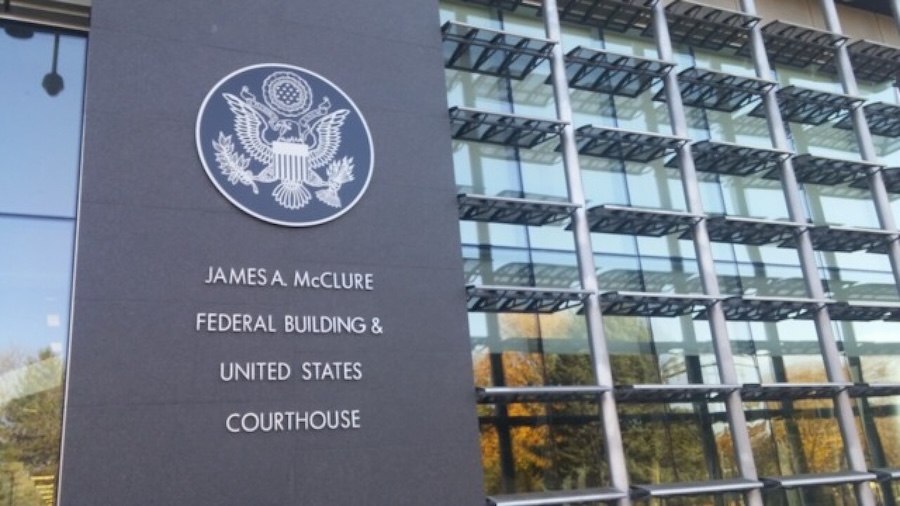
A federal jury is currently deliberating in a defamation lawsuit brought by University of Idaho professor Rebecca Scofield against TikTok creator Ashley Guillard, whose false accusations following the November 2022 murders of four university students garnered millions of views on the social media platform.
The trial, taking place in Boise, centers on dozens of videos Guillard posted in which she falsely claimed Scofield was involved in the killings and alleged the professor had an inappropriate relationship with a student. These unfounded accusations spread rapidly across social media despite cease-and-desist letters from Scofield’s attorneys warning Guillard that the statements were false and harmful.
The case highlights the real-world consequences of viral misinformation and the intersection of free speech and defamation law in the digital age. A federal judge has already ruled that Guillard’s statements were defamatory, leaving jurors to determine what damages, if any, Scofield suffered and what compensation she deserves.
“Nobody has the right to make false statements that damage another person. The First Amendment doesn’t run that far,” former Idaho Attorney General David Leroy said in an interview about the case.
The trial comes more than a year after Bryan Kohberger was arrested and charged with the murders of the four students. Law enforcement officials have publicly stated that Scofield had no involvement in the crimes.
During the second day of testimony, jurors heard evidence about how viral online accusations can significantly impact an individual’s professional reputation, hiring prospects, and long-term earning potential—even after allegations are proven untrue. A university dean who has worked closely with Scofield for nearly a decade testified that while the false accusations did not lead to formal disciplinary action, they could create professional consequences for her in the future.
The case exemplifies the growing challenge of combating misinformation on social media platforms, where unverified claims can rapidly reach millions of viewers. TikTok in particular has faced scrutiny for its role in amplifying controversial content through its algorithm, sometimes giving significant reach to creators who make sensational claims.
Legal experts note that the case could set an important precedent for holding social media creators accountable for defamatory statements. While platforms themselves typically enjoy immunity from liability for user content under Section 230 of the Communications Decency Act, individual creators do not have the same protections.
Guillard, who is representing herself at trial, continues to face legal consequences for her claims. The court has prohibited cameras in the courtroom during the proceedings.
The jury’s decision will hinge on whether they believe Scofield suffered emotional, professional, or financial damages as a result of the false accusations, and whether those damages warrant monetary compensation. Defamation cases typically consider factors such as the severity of the false statements, their reach, and their lasting impact on the plaintiff’s reputation and livelihood.
Final witnesses are expected to testify on Thursday, with closing arguments potentially coming as early as Thursday or Friday morning before the case is fully submitted to the jury for deliberation.
The case serves as a stark reminder of the collateral damage that can occur in high-profile criminal cases when speculation on social media spirals into defamatory accusations against innocent individuals.
Fact Checker
Verify the accuracy of this article using The Disinformation Commission analysis and real-time sources.

12 Comments
It’s worrying to see how quickly misinformation can spiral out of control on social media. This case highlights the urgent need for better content moderation and fact-checking mechanisms online.
Absolutely. Platforms must take more responsibility for the information they amplify and find ways to combat the spread of verifiably false claims.
Defamation lawsuits like this are an important check on the power of social media to rapidly disseminate untrue statements. However, the line between free speech and actionable libel remains murky in the digital age.
That’s a good point. Courts will likely be grappling with these issues for years to come as the legal system struggles to keep pace with the realities of modern communication.
I’m curious to see how the jury decides on the appropriate damages in this case. Quantifying the harm from viral online misinformation must be extremely challenging.
Absolutely. Reputational and emotional damages can be difficult to pin down, especially when the false claims spread so rapidly on social media.
This is a complex issue with valid arguments on both sides. While free speech is crucial, the real-world consequences of defamation cannot be ignored. The jury will have a difficult task in striking the right balance.
Agreed. The broader societal implications of this case will be important to watch as the courts navigate these tensions between individual rights and collective harm.
While free speech is paramount, there have to be consequences for those who knowingly spread harmful falsehoods. This professor deserves justice for the damage done to her career and life.
I agree. Reckless disregard for the truth should not be shielded under the guise of free expression, especially when it leads to tangible harm.
This case illustrates the serious harm that can result from the rapid spread of false online accusations, even when they lack any factual basis. The professor deserves fair compensation for the damage to her reputation and career.
Agreed. It’s critical that platforms and users take responsibility for verifying claims before amplifying them, to prevent the propagation of harmful misinformation.