


Listen to the article
Israeli defense industry leaders have vehemently rejected claims that the country’s air defense systems are unprepared for potential Iranian missile attacks, calling such assertions “nonsense and irresponsibility.” These strong rebuttals come amid reports that Israeli officials cited defense readiness concerns as justification for postponing a U.S. strike against Iran.
Senior figures in Israel’s defense establishment expressed anger in conversations with Calcalist over what they perceive as attempts to undermine confidence in the nation’s defensive capabilities. One high-ranking security official emphasized that production of critical defense systems has continued uninterrupted throughout the ongoing conflict.
“The claim that Israel’s air defense systems are not prepared to respond to missile barrages from Iran is false,” a senior defense establishment member told Calcalist. “From the outbreak of the war two years ago until now, no company has paused for even a moment. Everyone who needs to be producing is doing so, around the clock.”
Israel’s air defense architecture relies primarily on systems manufactured by two major defense contractors. Israel Aerospace Industries (IAI) produces the Arrow 3 interceptor missiles, specifically designed to counter ballistic missiles launched from Iran and Yemen. Meanwhile, Rafael Advanced Defense Systems manufactures interceptors for the Iron Dome and David’s Sling systems, which handle shorter-range threats.
The controversy emerged following a CNN report claiming Prime Minister Benjamin Netanyahu was among several regional leaders who urged U.S. President Donald Trump to delay attacking Iran. According to the report, Netanyahu expressed concerns about the readiness of Israel’s air defense systems after nearly two years of intensive use during the ongoing conflict. The White House confirmed conversations between Netanyahu and Trump prior to the postponement decision but declined to elaborate on their content.
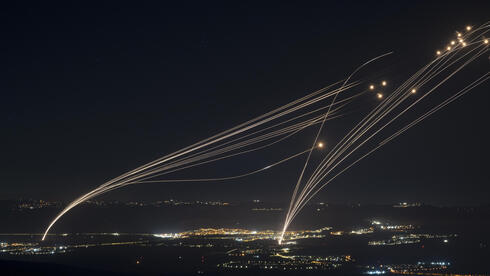
Another senior security official contested this narrative, telling Calcalist, “The current state of Israel’s air defense systems is very close to their condition on the eve of the 12-Day War last June. During that war, the air defense array operated successfully: out of more than 550 missiles launched at Israel from Iran, only about 40 reached Israeli territory. All the rest were intercepted.”
This successful performance during the 12-Day War has been highlighted as evidence of the systems’ operational effectiveness and continued readiness. Defense industry representatives argue that suggesting otherwise undermines public confidence and sends the wrong message to Israel’s adversaries.
Prior to these reports surfacing in American media, IDF Chief of Staff Lt. Gen. Eyal Zamir conducted a tour of an Arrow 3 missile battery on Thursday evening, accompanied by Air Defense Division commander Brig. Gen. K. During this visit, Zamir made a point of reassuring the public: “It is important for every citizen to know that the IDF is prepared for defense and adjusts its readiness based on a responsible and measured assessment of the situation.”
Defense officials also dismissed claims that political disputes between Defense Minister Israel Katz and the minister responsible for government companies, David Amsalem, had delayed the procurement of interceptor missiles due to the absence of external directors at IAI. “The Arrow missile production line, like other systems essential to Israel’s defense, has not stopped for a minute and has even been significantly reinforced,” a senior defense official stated emphatically.
Reinforcing this message, IAI workers’ union chairman Yair Katz sent a communication to company employees on Sunday evening: “IAI employees are working around the clock on the production of Arrow systems for Israel’s security. Production has not stopped for even a single day, on the contrary, since Operation Rising Lion it has only intensified. Nothing is stopping us, and nothing will stop us, in the production process.”
The controversy highlights the sensitive nature of defense readiness discussions, particularly during a prolonged conflict when both public confidence and strategic deterrence are critical factors in national security planning. It also underscores the complex relationship between Israel and the United States regarding regional security threats, especially those posed by Iran.
Fact Checker
Verify the accuracy of this article using The Disinformation Commission analysis and real-time sources.

22 Comments
The officials’ comments highlight the importance of clear and transparent communication during times of heightened regional tensions. Maintaining public trust in the government’s ability to protect its citizens is crucial for national security.
Absolutely. The officials’ proactive approach to addressing concerns and projecting confidence in Israel’s defense capabilities is likely a strategic move to deter potential adversaries and reassure the public.
The Israeli officials’ strong rebuttals suggest they are taking the potential Iranian threat very seriously. Maintaining public confidence in the country’s defense systems is likely a top priority.
Agreed. The emphasis on uninterrupted production of critical defense systems indicates Israel is leaving nothing to chance when it comes to safeguarding its national security.
It’s good to see Israel taking proactive steps to bolster its defense capabilities, especially given the heightened regional tensions. Maintaining a robust air defense system is crucial for national security.
Absolutely. With the ongoing conflict, it’s important for Israel to demonstrate its preparedness and ability to protect its citizens from potential missile attacks.
It’s reassuring to hear that Israel’s defense industry leaders are confident in the country’s air defense capabilities. Their strong rebuttals and emphasis on uninterrupted production suggest a high level of preparedness.
Agreed. The officials’ comments seem to be a direct response to any doubts or concerns about Israel’s defense readiness, likely aimed at deterring potential aggression and maintaining public confidence.
The officials’ strong rebuttals seem to be aimed at dispelling any doubts or concerns about Israel’s air defense capabilities. Their confidence in the country’s ability to respond to potential threats is noteworthy.
Definitely. The officials’ unwavering stance suggests they are determined to project an image of strength and preparedness, likely to deter any potential aggressors.
Interesting to hear Israeli officials strongly refute claims about their air defense systems being unprepared. Seems like they are confident in their ability to respond to potential Iranian missile attacks.
Yes, the officials seem to be pushing back hard on any doubts about Israel’s defense readiness. Emphasizing uninterrupted production of critical systems is likely meant to assure the public.
The officials’ comments highlight the importance of clear and transparent communication during times of heightened regional tensions. Maintaining public trust in the government’s ability to protect its citizens is crucial.
Absolutely. Providing factual information and addressing concerns head-on can help alleviate fears and strengthen public confidence in the government’s defense capabilities.
It’s interesting to see the tensions between Israel and Iran playing out in the public discourse. The officials’ comments highlight the delicate balance of maintaining national security while also addressing public concerns.
Absolutely. The officials’ responses seem to be a calculated effort to reassure the public and project an image of unwavering defense capabilities, likely as a deterrent against potential Iranian aggression.
I’m curious to learn more about the specifics of Israel’s air defense architecture and the capabilities of the systems manufactured by IAI and other defense contractors. Knowing the technical details could provide valuable context.
That’s a good point. Understanding the technical specifications and performance of Israel’s air defense systems would help assess their readiness to respond to potential threats.
It’s reassuring to hear that production of critical defense systems has continued uninterrupted throughout the ongoing conflict. This suggests Israel is taking a proactive approach to bolstering its security.
Yes, the officials’ emphasis on uninterrupted production is a clear indication that Israel is not taking any chances when it comes to ensuring its defense readiness.
The officials’ emphasis on the uninterrupted production of critical defense systems is a clear indication that Israel is taking a proactive approach to bolstering its security. This sends a strong message to potential adversaries.
You’re right. The officials’ comments suggest that Israel is not taking any chances and is committed to maintaining a robust and reliable air defense system, even in the face of ongoing regional tensions.