


Listen to the article
Iran’s state media outlet Tasnim News Agency published an unverified report on Monday suggesting that Israeli Prime Minister Benjamin Netanyahu may have been killed or wounded, the latest example of information warfare tactics being deployed in the ongoing Israel-Iran conflict.
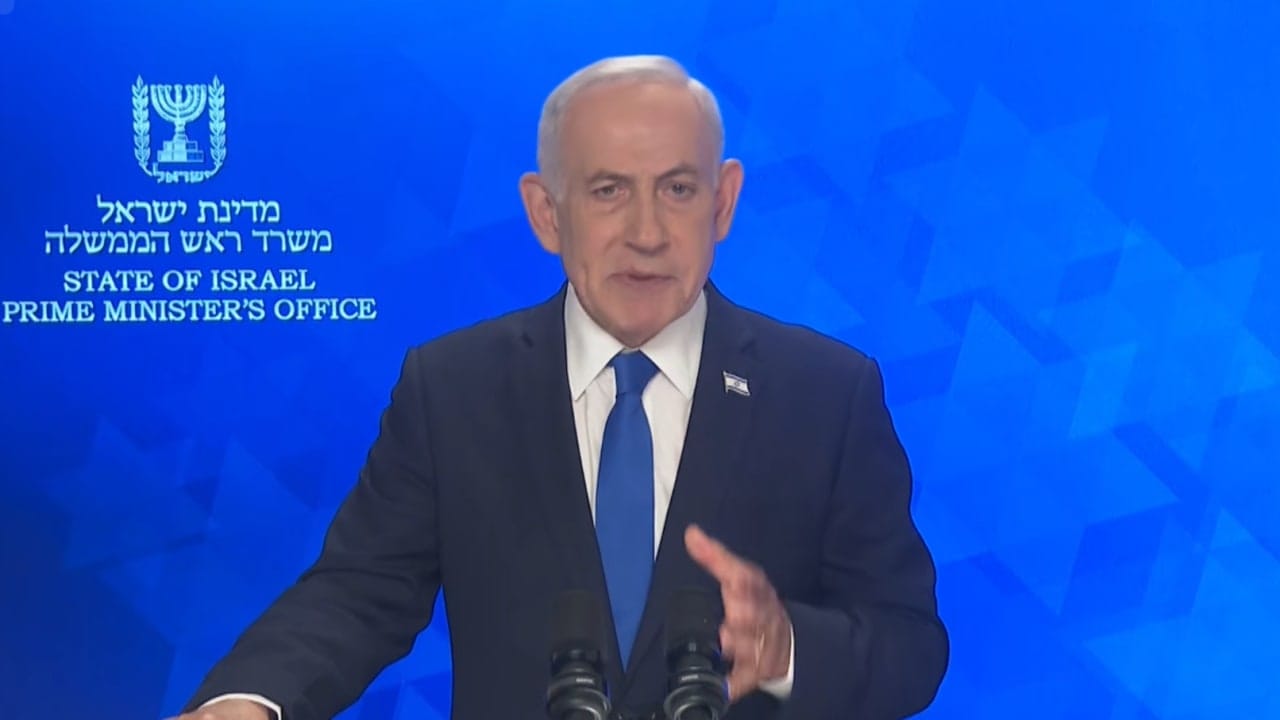
The Persian-language report offered no concrete evidence for its claims, instead cobbling together a series of circumstantial observations. These included Netanyahu’s supposed absence from recent video appearances, Hebrew media reports about enhanced security measures around his residence, the postponement of a scheduled visit by Jared Kushner and US envoy Steve Witkoff, and ambiguity in a French readout of a call between President Emmanuel Macron and Netanyahu.
Tasnim, which is widely considered to be affiliated with Iran’s Islamic Revolutionary Guard Corps (IRGC) and is designated as such by the US Treasury Department, also cited secondhand claims attributed to former US intelligence officer Scott Ritter via Russian media. These claims alleged that Iran had bombed Netanyahu’s “hideout” and that his brother had been killed. The outlet itself acknowledged that these speculations remained unconfirmed by any official sources.
Independent verification contradicts these assertions. Public records show that Netanyahu delivered an official statement through his office on March 7 and visited an impact site in Beersheba on March 6, according to the Israeli government’s main portal. Additional reports from recent days reference his activities, including the phone call with Macron that was documented by the Élysée Palace and reported by The Jerusalem Post on March 5.
This incident follows a pattern of similar unsubstantiated claims about Netanyahu’s fate that have emerged during the conflict. Earlier in the hostilities, Iranian military sources suggested that Netanyahu’s status was “unclear” after an alleged strike – claims that Netanyahu’s office dismissed as “fake news.” Chinese state news agency Xinhua reported on March 2 that Jerusalem residents near Netanyahu’s office had observed no evidence of a missile impact following similar Iranian assertions.
The circulation of such rumors highlights a key aspect of modern information warfare. During active conflicts, routine occurrences such as the temporary absence of new video footage, vaguely worded official communications, or changes to diplomatic schedules can quickly become fodder for conspiracy theories. Tasnim’s report appears to exemplify this approach by presenting insinuations rather than evidence.
Security protocols for high-ranking Israeli officials frequently change during wartime, and official communications are commonly issued as text statements rather than video appearances. These standard security practices don’t constitute evidence of an assassination attempt or injury. As of Monday evening, no credible sources had confirmed Tasnim’s claims.
The spread of such unverified information serves multiple strategic purposes in the ongoing information battle between Iran and Israel. It creates uncertainty, tests the responsiveness of Israeli communications channels, and generates international media attention that amplifies the original claims, regardless of their accuracy.
Media analysts note that this pattern of information warfare – using fragments of public information reassembled into dramatic narratives – has become increasingly common in regional conflicts. Intelligence agencies and affiliated media outlets often deploy these tactics to create confusion, project strength, or test adversaries’ reactions without committing to verifiable statements that could later be disproven.
For consumers of international news, the incident underscores the importance of seeking verification from multiple credible sources, particularly during periods of heightened tensions when information warfare tactics are most prevalent. The absence of confirmation from Israeli officials, international diplomatic sources, or independent media organizations suggests Tasnim’s report should be treated with significant skepticism.
As the Israel-Iran conflict continues to unfold across multiple domains – from physical strikes to cyber operations and information warfare – distinguishing between verified facts and strategic misinformation remains a critical challenge for observers seeking to understand the true state of regional developments.
Fact Checker
Verify the accuracy of this article using The Disinformation Commission analysis and real-time sources.

6 Comments
While it’s important to stay informed, I would urge readers to be very skeptical of these kinds of sensationalist reports from Iranian state media. They seem designed to sow confusion and undermine trust rather than provide factual information.
Hmm, this sounds like classic disinformation tactics. Unsubstantiated claims and vague ‘evidence’ are hardly convincing. Unless verified by reputable, independent sources, I would take these reports from Iranian state media with a huge grain of salt.
Huh, this is an interesting development, but the lack of concrete evidence is concerning. I wonder if this is just another attempt by Iran to stir up tensions and spread misinformation. We’ll have to wait and see if any credible information emerges.
This seems like more false propaganda from Iran. Unsubstantiated claims and circumstantial ‘evidence’ are hardly credible. Unless there is verified information from official Israeli sources, I would be highly skeptical of these conspiracy theories.
It’s concerning to see state media outlets like Tasnim peddling these kinds of unverified rumors, especially given their links to the IRGC. This appears to be a clear attempt at information warfare and disinformation rather than responsible journalism.
Agreed. Reputable news sources should be extremely cautious about amplifying such claims without strong evidence. Spreading unconfirmed speculation can be very damaging, especially in sensitive geopolitical conflicts.