


Listen to the article
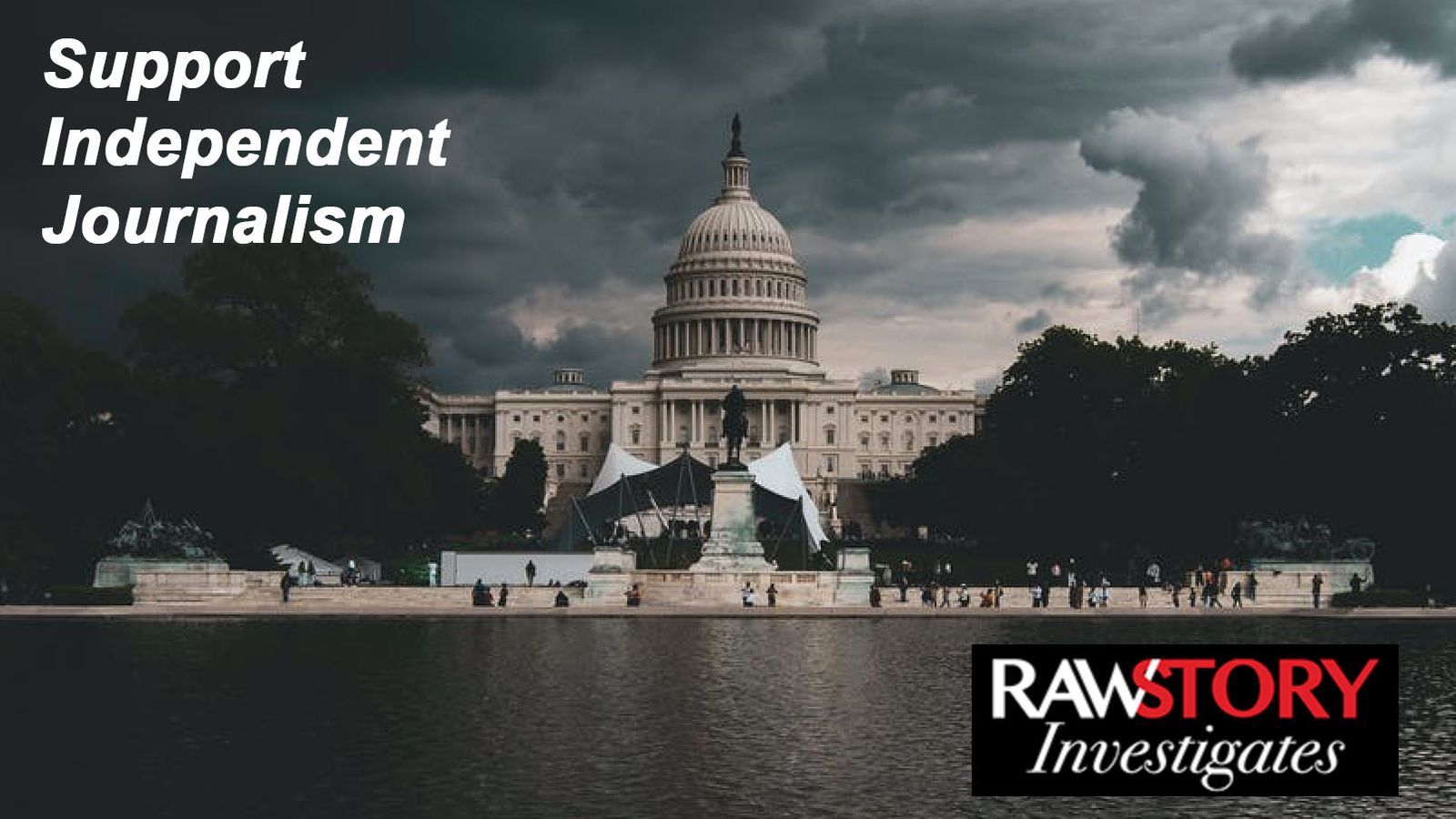
The battle for American democracy faces mounting challenges as 2023 reaches its midpoint. Political polarization continues to deepen across the nation, with Senate Republicans and Democrats locked in legislative gridlock over key components of President Biden’s agenda—even those with substantial public support.
Against a backdrop of persistent inflation affecting households nationwide and ongoing debates about constitutional rights, citizens across the political spectrum are increasingly concerned about the health of America’s democratic institutions. Political scientists note this period as particularly contentious, with partisan divides reaching levels not seen in recent decades.
“What we’re witnessing is more than typical political disagreement,” explains Dr. Eleanor Martinez, professor of political science at Georgetown University. “The fundamental mechanisms of governance are being tested in ways that challenge long-standing democratic norms.”
The legislative impasse in Washington reflects broader national tensions. Several significant bills with majority public support according to recent polling have stalled in Congress, contributing to historically low approval ratings for federal lawmakers. This political stalemate comes at a time when economic pressures continue to affect Americans, with inflation remaining a persistent concern despite recent moderation in consumer price increases.
Media organizations covering these developments face their own struggles. The journalism industry continues navigating financial headwinds as traditional revenue models evolve in the digital age. Independent news outlets in particular face mounting pressure to remain viable while maintaining editorial independence.
Media analysts highlight the importance of diverse news sources during periods of political tension. “A robust, independent press serves as a crucial check on power,” notes media economist James Harrington. “But the economics of journalism have never been more challenging, forcing outlets to adapt their business models while preserving their core mission.”
This environment has led many news organizations to increasingly rely on reader support through subscriptions and donations. The shift represents a significant change from advertising-dependent models that dominated the industry for decades. According to the Reuters Institute Digital News Report, reader revenue now accounts for a growing percentage of many outlets’ operating budgets, reflecting both necessity and a renewed emphasis on serving audience needs.
The financial restructuring of journalism coincides with heightened public interest in political reporting. Traffic to news sites covering governmental affairs has increased substantially during periods of political controversy, though converting casual readers to paying supporters remains challenging for many outlets.
Industry experts point to several successful cases of reader-supported journalism emerging in recent years. Organizations implementing hybrid models—combining limited advertising with subscription offerings that provide enhanced access to reporting—have shown promising results in certain market segments.
“The relationship between news outlets and their most engaged readers is evolving into something more resembling partnership than traditional consumption,” explains media analyst Sarah Coleman. “This represents both challenge and opportunity for the future of journalism.”
As political tensions persist and economic concerns continue, the interdependence between a functioning democracy and informed citizenry becomes increasingly apparent. Political scientists and media observers alike note that access to factual, contextualized reporting plays a crucial role in democratic governance—particularly during periods of heightened polarization.
Looking ahead to the remainder of 2023, analysts predict continued political contestation around key issues including economic policy, judicial appointments, and electoral procedures. How media organizations navigate their dual roles—providing essential information while securing financial sustainability—will significantly influence public understanding of these complex debates.
The ongoing transformation of both politics and media suggests that traditional patterns of governance and information flow continue to evolve, with implications extending well beyond the current news cycle.
Fact Checker
Verify the accuracy of this article using The Disinformation Commission analysis and real-time sources.

7 Comments
I’m curious to see how the midterm elections and ongoing debates over constitutional rights will impact the political landscape in the US. These are critical issues that deserve thoughtful, nuanced coverage.
The challenges facing American democracy are certainly concerning. I hope leaders on both sides of the aisle can find ways to work together and uphold democratic norms, even in the face of deep divisions.
I agree. Compromise and good-faith collaboration are essential, even when political differences are stark. The alternative – continued gridlock and escalating tensions – would be very damaging.
Investing in independent, fact-based journalism is crucial during these divisive times. It’s the best way to cut through partisan noise and provide citizens with the information they need to make informed decisions.
Absolutely. Unbiased reporting is essential for a healthy democracy. Journalists have an important role to play in holding leaders accountable and giving voice to diverse perspectives.
Interesting to see how political polarization is affecting the democratic process in the US. It’s a complex issue with no easy solutions, but quality journalism can help shed light and foster constructive dialogue.
Inflation and the economy are clearly top concerns for many Americans right now. It will be interesting to see how these issues factor into upcoming elections and debates over the Biden administration’s agenda.