


Listen to the article
South Korea’s top financial regulator has announced a significant expansion of its insurance fraud reporting program, extending the reporting period and adding automotive claims to the list of eligible cases while maintaining a substantial reward for whistleblowers.
The Financial Supervisory Service (FSS) revealed today that it will extend its special reporting period for insurance fraud through December 31, continuing a program that was originally set to expire at the end of October. This extension comes as part of broader efforts to combat fraudulent insurance activities that cost the industry billions annually.
In a notable development, the FSS has added automotive insurance claims to the categories eligible for reporting. Previously, the program had focused primarily on medical insurance fraud, which has been a persistent problem in South Korea’s healthcare sector. The expansion recognizes the growing concern about organized fraud rings operating in the auto insurance market.
The reward structure remains unchanged, with whistleblowers eligible to receive up to 50 million won (approximately $37,000) for providing information that leads to successful prosecution of insurance fraud cases. This substantial incentive reflects the government’s determination to crack down on fraudulent activities that drive up premiums for honest policyholders.
“Insurance fraud is not a victimless crime. It ultimately affects every policyholder through higher premiums,” said a senior FSS official who requested anonymity. “By expanding our reporting program to include auto insurance claims, we’re targeting another significant area where organized fraud has been detected.”
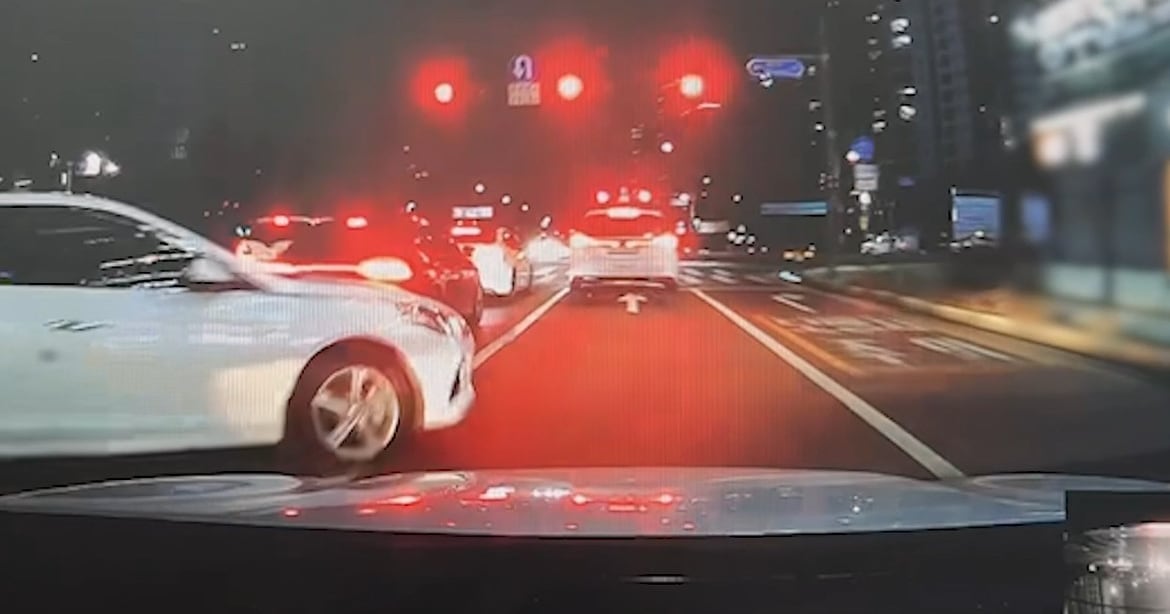
The automotive insurance sector in South Korea has seen increasing instances of staged accidents and inflated repair costs in recent years. Industry data suggests that fraudulent auto claims may account for up to 15 percent of all claims in certain regions, particularly in metropolitan areas like Seoul and Busan.
Insurance companies have welcomed the expanded program. “This initiative will help reduce the financial burden on honest customers who end up subsidizing fraudsters through their premiums,” said Kim Min-ho, compliance director at a major Korean insurance company. “The high reward amount should incentivize those with knowledge of fraudulent schemes to come forward.”
The FSS has established a dedicated hotline and digital portal for receiving fraud reports. Whistleblowers’ identities are kept confidential throughout the investigation process, addressing concerns about potential retaliation from fraud perpetrators.
Last year, the special reporting program resulted in the identification of over 200 cases of significant insurance fraud, leading to criminal charges against more than 150 individuals. The economic impact of these cases totaled approximately 35 billion won in fraudulent claims that were prevented or recovered.
Insurance fraud has become increasingly sophisticated in South Korea, with organized groups recruiting participants to stage accidents or exaggerate injuries. Medical clinics, auto repair shops, and legal representatives sometimes collude in these schemes, creating complex fraud networks that are difficult to detect through standard verification processes.
The expanded program aligns with international best practices in fraud detection. Countries like the United States and Australia have implemented similar whistleblower incentive programs with notable success in reducing fraudulent claims.
Industry analysts note that the extension comes at a critical time when economic pressures may increase the temptation for some individuals to engage in insurance fraud. Historical data shows that insurance fraud tends to rise during periods of economic uncertainty.
“The expanded program represents a smart investment by regulators,” said Park Sun-woo, an insurance industry analyst at a Seoul-based economic research institute. “The 50 million won maximum reward may seem substantial, but it’s minimal compared to the billions saved by preventing widespread fraud.”
The FSS has indicated that it will evaluate the expanded program’s effectiveness in early 2024 to determine whether to make automotive insurance claims a permanent category in its fraud reporting system.
Fact Checker
Verify the accuracy of this article using The Disinformation Commission analysis and real-time sources.

8 Comments
A $37,000 reward is substantial and could motivate more whistleblowers to report suspicious insurance fraud activities. Expanding the program’s scope to cover auto claims in addition to medical is a smart move to catch a wider range of illicit activities.
Interesting move to expand the insurance fraud reporting program. Combating fraudulent claims in auto insurance is an important step, as it can drive up premiums for everyone. The sizable reward should incentivize more people to come forward with information.
I wonder if the extended reporting period will lead to a spike in fraud cases being uncovered. The financial incentive seems strong, so it will be interesting to see how much additional fraudulent activity is revealed over the next couple months.
This seems like a well-rounded approach to tackling insurance fraud. By extending the reporting period and broadening the scope, the regulators are demonstrating a commitment to rooting out this problem across multiple industries.
Kudos to the Financial Supervisory Service for recognizing the need to address fraud across different insurance sectors, not just medical. Broadening the program to include auto claims shows a commitment to tackling this issue comprehensively.
Overall, this is a positive step in the right direction. Cracking down on insurance fraud, whether in the medical or automotive sectors, will benefit consumers in the long run by keeping premiums more affordable.
This is an important initiative to combat insurance fraud, which ultimately drives up costs for consumers. Extending the program and adding auto claims shows a proactive approach to tackling this problem from multiple angles.
Curious to see how effective this expanded program will be in reducing insurance fraud in South Korea. The auto insurance addition is a smart move, as that sector has also been prone to organized criminal activity.