


Listen to the article
Federal officials announced last week that Insect Shield LLC and the estate of its late co-founder, Richard Lane, have agreed to pay $1.4 million to settle allegations that the company provided false testing information to the U.S. government regarding military uniforms.
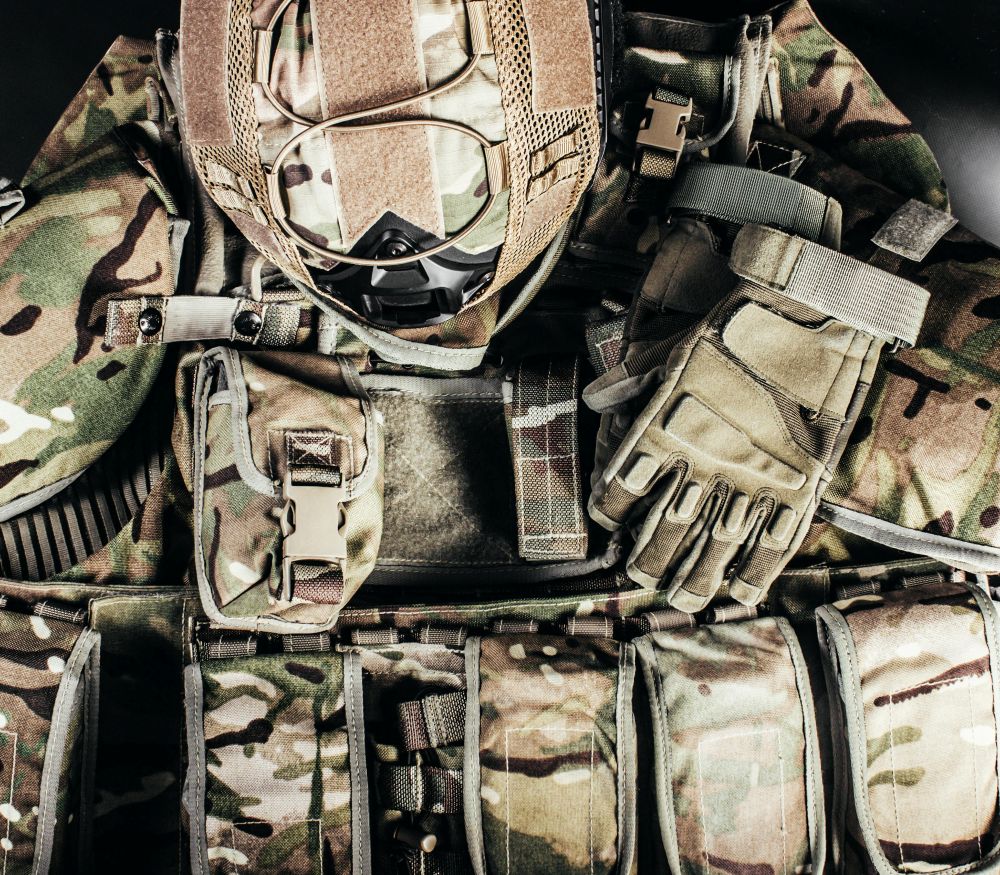
The settlement, reached in early February 2026, resolves claims that the North Carolina-based company misled federal authorities about testing procedures for Army Combat Uniforms treated with permethrin, an insect-repelling chemical designed to protect soldiers from disease-carrying insects in the field.
According to prosecutors, between 2015 and 2021, Insect Shield, which served as a subcontractor for military uniform manufacturers, violated stringent government testing protocols required to ensure the proper application and safety of the chemical treatment. These protocols exist to protect service members who rely on properly treated gear in potentially hazardous environments.
Federal investigators uncovered what they described as systematic testing irregularities, including the commingling of results from different testing rounds to obscure the actual testing timeline and methodology. The government also alleged that Insect Shield relabeled some test samples to conceal their origins and conducted unauthorized additional tests beyond contractual requirements.
Perhaps most concerning to military officials, the company allegedly withheld information about test failures that should have been disclosed to the Department of Defense. Such omissions could potentially compromise the effectiveness of protective equipment issued to military personnel.
“This isn’t just about paperwork violations,” said a Defense Department spokesperson familiar with the case. “When companies cut corners on testing military equipment, they potentially put our service members at risk. The protective treatments on these uniforms serve a critical function in certain deployment environments.”
Richard Lane, who served as Insect Shield’s president and chief operating officer until his death in December 2022, was specifically named in the settlement due to his leadership role during the period when the alleged violations occurred. The agreement does not include an admission of wrongdoing by either the company or Lane’s estate.
The case originated as a whistleblower lawsuit under the False Claims Act, which allows private citizens to file suits on behalf of the government when they suspect fraud involving federal funds. The whistleblower, identified as Ms. Downs, will receive $315,000 from the settlement amount – approximately 22.5 percent of the recovery.
After reviewing the initial claims, the federal government intervened in the case, with the Justice Department’s Civil Division and the U.S. Attorney’s Office for the Middle District of North Carolina taking the lead in prosecuting the matter. They received substantial support from the Defense Criminal Investigative Service, the Army Criminal Investigation Division, and other defense oversight agencies.
The settlement underscores the government’s commitment to enforcing compliance within the defense contracting sector, where product integrity directly impacts military readiness and personnel safety. Permethrin-treated uniforms represent an important preventive measure against insect-borne diseases that can quickly degrade combat effectiveness and endanger troop health.
“Defense contractors must understand that testing requirements aren’t optional,” said a Justice Department official. “When the government establishes specifications for military equipment, especially those designed with protective properties, we expect absolute adherence to those standards and complete transparency in reporting.”
Industry analysts note this case fits into a broader pattern of increased scrutiny on military supply chains, particularly for products with safety or protective functions. The defense procurement system relies heavily on testing verification to ensure that specifications are met consistently.
While the settlement closes the civil claims without a formal finding of liability, it serves as a reminder of the serious consequences companies can face for misrepresenting compliance with government contracts. The $1.4 million payment, while significant, represents only one aspect of the fallout; companies found to have violated federal contracting standards may also face reputational damage and challenges in securing future government work.
Federal authorities have indicated that oversight of defense contractors will remain rigorous, with particular attention to testing protocols for equipment that directly impacts service member safety and operational effectiveness.
Fact Checker
Verify the accuracy of this article using The Disinformation Commission analysis and real-time sources.

8 Comments
This settlement highlights the importance of honest and rigorous testing for products used by the military. While subcontractors may try to cut corners, the health and safety of our service members must always come first.
Agreed. Misleading test results put lives at risk – the $1.4 million penalty seems appropriate given the seriousness of the violations.
It’s concerning to hear about systematic testing irregularities by Insect Shield. Proper safety protocols for military equipment are critical. This settlement should serve as a warning to any contractors trying to game the system.
Absolutely. Transparency and accountability are essential, especially when it comes to protecting our troops. This settlement seems like a reasonable outcome.
It’s disappointing to see a company like Insect Shield violate the trust placed in them by the government. Strict testing protocols exist for good reason, and this settlement serves as a reminder of the consequences of cutting corners.
Providing false testing information to the government is a major breach of trust. I’m glad federal authorities were able to uncover the issues at Insect Shield and hold them accountable through this settlement.
This case highlights the need for rigorous oversight of military supply chains. While cost-cutting measures may be tempting, compromising safety and integrity is unacceptable. Kudos to the investigators for their diligence.
Well said. Maintaining the highest standards for military equipment is essential, even if it means tough enforcement actions against non-compliant contractors.