


Listen to the article
TikTok Influencer Ordered to Pay $10 Million for False Murder Accusations Against Idaho Professor
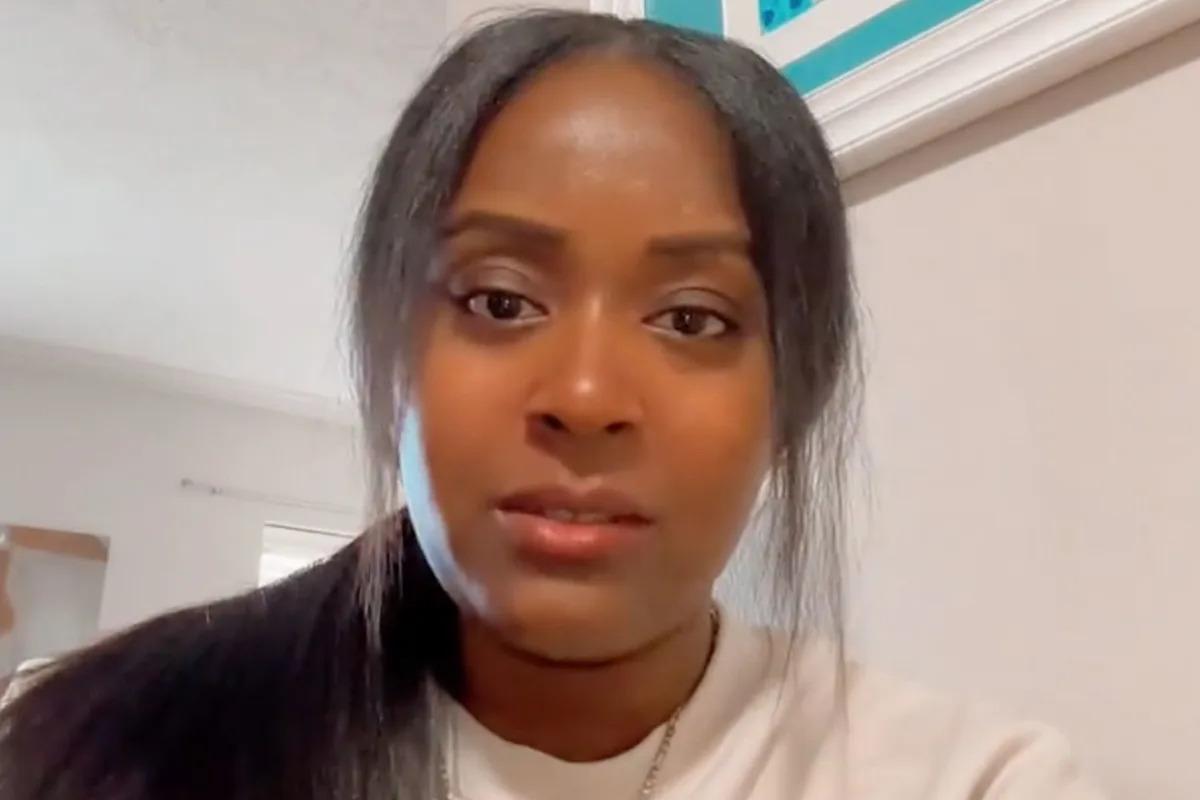
A federal jury has ordered TikTok influencer Ashley Guillard to pay $10 million in damages to University of Idaho professor Rebecca Scofield for falsely accusing her of involvement in the 2022 murders of four university students.
The verdict, delivered last Friday, came after Guillard published numerous TikTok videos claiming that Scofield orchestrated the killings after one of the students allegedly threatened to expose their purported romantic relationship. The jury awarded Scofield $6.5 million for the false murder allegations and an additional $3.5 million for fabricated claims about an inappropriate relationship with a student.
According to court documents, Guillard—who built an online following by theorizing about high-profile unsolved crimes using what she described as “spiritual intuition” and tarot card readings—began posting the defamatory content in November 2022, shortly after the murders shocked the college town of Moscow, Idaho.
The case gained national attention when Bryan Kohberger was ultimately arrested, confessed to the killings, and received four lifetime sentences. Despite Kohberger’s confession and a Moscow Police Department press release explicitly stating that Scofield was not a suspect in the investigation, Guillard continued publishing videos falsely implicating the professor.
Court records show that Scofield sent multiple cease and desist letters to Guillard, who ignored them and persisted with her unfounded claims. In June 2024, a federal judge ruled that Guillard’s statements were defamatory and based solely on her self-described “spiritual intuition” rather than any factual evidence.
During last week’s trial, jurors heard testimony about the lasting damage that false online accusations can inflict on a person’s professional reputation, even after such claims are disproven. The high-profile nature of the University of Idaho murders—described by Scofield as “the darkest chapter in our university’s history”—magnified the harm caused by Guillard’s baseless accusations.
Following the verdict, Scofield released a statement saying, “The $10 million verdict reinforces the judge’s decision and sends the clear message that false statements online have consequences in the real world for real people and are unacceptable in our community.”
The case highlights the growing intersection between social media influence and real-world consequences, particularly in the true crime community where amateur sleuths sometimes cross ethical boundaries. Legal experts note that this verdict represents one of the largest defamation awards against a social media influencer and could serve as a warning to others who use their platforms to make unsubstantiated accusations.
Guillard, however, remains defiant. In a 21-part series of TikTok videos posted immediately following the verdict, she disputed the jury’s ruling, calling it “unfair and ridiculous.” In a statement, she claimed the “verdict does not reflect the evidence” and questioned the impartiality of several jury members. She has indicated she may appeal the decision.
The case comes amid growing concerns about the responsibility of content creators and the role of social media platforms in the spread of misinformation. While Section 230 of the Communications Decency Act largely shields platforms like TikTok from liability for user-generated content, individual creators remain legally responsible for their statements.
For Scofield, the vindication comes after nearly two years of fighting to clear her name. The University of Idaho community, still healing from the tragic loss of four students, now has one chapter of this painful saga resolved through this decisive legal outcome.
Fact Checker
Verify the accuracy of this article using The Disinformation Commission analysis and real-time sources.

9 Comments
As someone who follows the mining and commodities space, I’m curious to see if this case will have any broader implications for the way high-profile crimes are discussed on social media. It’s critical that influencers and online commentators remain grounded in facts, not speculation.
Wow, $10 million is a hefty price to pay for making false claims. It’s a sobering reminder that social media influencers can’t just say whatever they want without consequences, especially when it involves serious allegations. Hopefully this serves as a lesson to be more responsible with online content.
As someone interested in true crime, I’m troubled by how this influencer exploited the tragic Moscow murders for personal gain. Spreading conspiracy theories and false accusations is unethical and can cause real harm. I’m glad the court recognized the gravity of her actions.
This case is a sobering reminder that there are real-world consequences for spreading false information, even if it’s done under the guise of ‘intuition’ or ‘spiritual insights’. I hope this verdict sends a strong message and deters similar behavior in the future.
While I’m not familiar with the specifics of this case, the hefty damages awarded to the professor suggest the court took these false accusations very seriously. It’s a good reminder that social media users need to be cautious about making definitive claims, especially around sensitive criminal investigations.
This is a fascinating case that touches on the intersection of social media, true crime, and personal responsibility. I’ll be curious to see if it leads to any changes in how platforms handle potentially defamatory content, or if it sparks broader discussions about the ethical use of tarot and other ‘intuitive’ methods.
This case highlights the dangers of spreading misinformation and unfounded accusations online, even in the guise of ‘spiritual intuition’. Tarot readings should not be weaponized to defame innocent people. I’m glad the professor was able to clear her name and get justice through the courts.
It’s concerning how easily misinformation can spread on social media, especially when it comes to high-profile criminal cases. While everyone is entitled to their opinions, making definitive claims without evidence is irresponsible and can have serious repercussions, as this case demonstrates.
Absolutely. Fact-checking and responsible reporting should be the top priority when discussing such sensitive matters online.