


Listen to the article
In a landmark defamation case, social media influencer Ashley Guillard has been ordered to pay $10 million in damages after falsely claiming a University of Idaho professor was involved in the 2022 murders of four students.
The federal jury reached its verdict on February 27, finding that Guillard had defamed Rebecca Scofield, an associate professor and chair of the university’s history department. According to court documents, the jury determined there was a “preponderance of evidence” that Guillard had spread false accusations through a series of TikTok videos.
The substantial judgment includes $6.5 million in damages related to Guillard’s false murder accusations and an additional $3.5 million for falsely claiming Scofield had an inappropriate relationship with one of the victims.
Guillard, who operates on TikTok under the handle “lordashleyg,” presents herself as a psychic who provides spiritual and true crime content, often using tarot cards to weigh in on high-profile murder cases. In November 2022, following the murders of four University of Idaho students in their off-campus residence, Guillard began posting videos claiming Scofield had “orchestrated” the killings.
Despite having no known connection to Scofield or the case, Guillard persisted with her unfounded accusations even after receiving a cease and desist letter from Scofield’s attorneys. The professor’s legal team emphasized in court documents that “Scofield did not participate in the murders, and she had never met any of the victims, let alone entered a romantic relationship with them.”
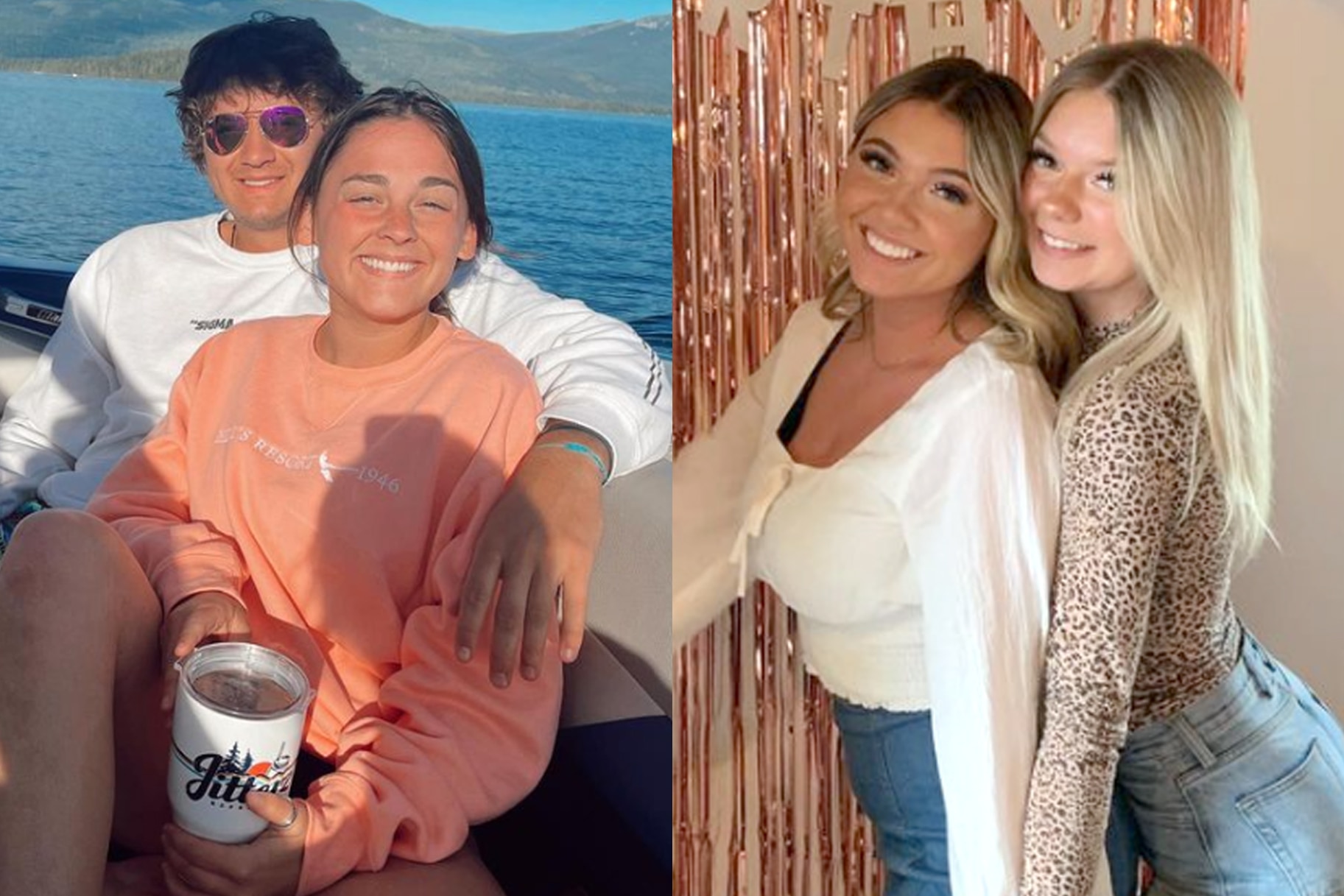
The Moscow Police Department had also publicly stated in December 2022 that they did not believe Scofield was involved in the crimes. Instead, authorities arrested Bryan Kohberger, a PhD student in criminology at nearby Washington State University, for the murders of Madison Mogen, Kaylee Goncalves, Xana Kernodle, and Ethan Chapin.
During the February trial, jurors heard testimony about how online accusations can severely impact a person’s professional career and long-term earning potential. The judge had previously ruled that Guillard’s statements were definitively false, with the jury’s verdict reinforcing this determination.
Following the verdict, Scofield expressed gratitude to the jury in a statement. “The $10 million verdict reinforces the judge’s decision and sends the clear message that false statements online have consequences in the real world for real people and are unacceptable in our community,” she said.
Scofield also emphasized that the decision allows the community to refocus on the victims. “The murders of the four students on November 13, 2022, was the darkest chapter in our university’s history,” she noted. “Today’s decision shows that respect and care should always be granted to victims during these tragedies.”
The case highlights the growing legal consequences for social media influencers who spread misinformation about high-profile crimes. As platforms like TikTok continue to amplify individual voices to millions of viewers, the responsibility for the content created becomes increasingly significant.
Guillard has indicated she plans to appeal the verdict, calling it “unfair and ridiculous” in a multi-part TikTok series. In an emailed statement, she claimed the verdict “represents the bias, ignorance and laziness of the jury” rather than the evidence presented at trial.
The substantial damages awarded in this case may serve as a warning to content creators about the potential legal and financial repercussions of making unfounded accusations against individuals, particularly during sensitive criminal investigations. It also underscores how the rapid spread of misinformation on social media can cause real harm to innocent people caught in its wake.
Fact Checker
Verify the accuracy of this article using The Disinformation Commission analysis and real-time sources.

10 Comments
While the specifics of this case are still emerging, it’s concerning to see false claims being amplified on social media. Spreading unverified information, especially around sensitive criminal investigations, can hinder the pursuit of justice and further traumatize victims’ families. Platforms need to do more to address this issue.
Absolutely. Social media companies have a responsibility to implement stricter policies and enforcement to prevent the spread of misinformation, especially around active criminal cases. Fact-checking and content moderation need to be a much higher priority.
This serves as an important lesson that there are real consequences for defamation, even online. Individuals with large social media followings need to exercise caution and verify information before making serious accusations. Spreading unsubstantiated claims can cause irreparable harm to innocent people’s reputations and lives.
Agreed. While free speech is crucial, it doesn’t mean freedom from accountability. Influencers and content creators have an ethical obligation to uphold journalistic standards of accuracy and fairness, especially when discussing criminal investigations and tragedies.
Quite a substantial judgment against the TikTok influencer. It sends a strong message that spreading false narratives and accusations online can have severe legal ramifications. Fact-checking and responsible reporting should be expected, even from self-proclaimed “psychics” and true crime commentators.
Exactly. Individuals with large social media platforms wield significant influence, and with that comes a duty to use that power responsibly. This ruling highlights the need for greater accountability and transparency around online content, especially when it relates to sensitive criminal cases.
This is a significant defamation ruling. False claims against individuals can cause immense harm and should be met with serious consequences. It’s important that social media influencers and others be held accountable for spreading unsubstantiated accusations, especially around tragic events like murders.
Completely agree. Spreading misinformation and conspiracy theories on social media can have devastating impacts. Glad the court took strong action to protect the professor’s reputation and deter this kind of behavior in the future.
While the details of this case are still unfolding, the $10 million judgment against the TikTok influencer is a stark reminder that there are real consequences for defamation, even online. Social media users, especially those with large followings, have a responsibility to verify information and avoid spreading unsubstantiated claims.
Absolutely. Influencers and content creators need to be held to high standards when it comes to the accuracy and integrity of the information they share. This ruling sets an important precedent and should serve as a wake-up call for the need to combat the proliferation of misinformation on social media platforms.