


Listen to the article
French Foreign Minister Faces Legal Challenge Over Claims Against UN Palestinian Rights Expert
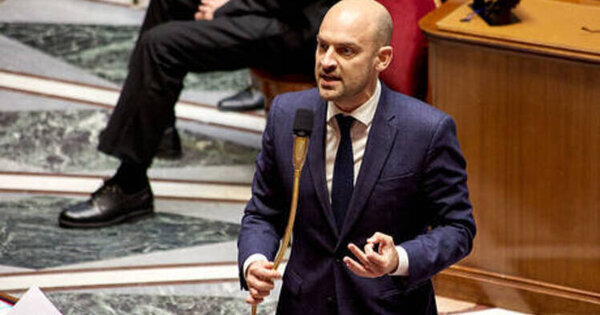
A French legal organization has filed a formal complaint against Foreign Minister Jean-Noel Barrot following his public accusations against UN Palestinian rights rapporteur Francesca Albanese, marking a significant escalation in tensions between international diplomats and UN human rights monitors.
The Association of Lawyers for the Respect of International Law (JURDI) submitted the complaint on Thursday, alleging Barrot’s statements constitute “the dissemination of false information” and potentially violate French law. The group further claims his comments undermine the independence of United Nations human rights mechanisms.
The dispute centers on Barrot’s assertion that Albanese referred to Israel as a “common enemy of humanity” during a recent speech in Doha. Based on this allegation, the French foreign minister called for Albanese’s removal from her position at the UN Human Rights Council.
Albanese has strongly rejected these accusations, describing them as “shameful and defamatory.” She insists her remarks were taken out of context, explaining she was referring to “the system” enabling what she characterizes as genocide in Palestine, rather than the Israeli state or its people.
The controversy quickly gained international attention as German Foreign Minister Johann Wadephul and Czech Foreign Minister Petr Macinka joined Barrot in calling for Albanese’s dismissal. This coordinated pressure from European diplomats signals growing friction between some Western governments and UN human rights experts focused on the Israeli-Palestinian conflict.
However, Albanese has found support from prominent human rights advocates. Amnesty International Secretary General Agnes Callamard defended Albanese’s “vital work” and warned against political interference with independent UN experts. The UN human rights office itself expressed concern about the situation, with spokesperson Marta Hurtado noting a troubling pattern of personal attacks and misinformation targeting judicial officials and rapporteurs.
“These attacks distract from the investigation of serious human rights violations,” Hurtado stated, highlighting broader concerns about the integrity of international human rights monitoring mechanisms.
Albanese’s position has been controversial since her appointment. She has previously characterized Israel’s military operations in Gaza as “genocide” and advocated for a comprehensive arms embargo and suspension of trade agreements with Israel. These positions have drawn intense criticism from Israel and its allies.
The United States has imposed sanctions on Albanese, while she has faced persistent allegations of bias and anti-Semitism—charges she consistently denies. Her mandate as Special Rapporteur on the situation of human rights in the Palestinian territories is scheduled to continue until 2028, with her next briefing to the Geneva-based council expected next month.
The dispute raises important questions about the independence of UN human rights monitors. There is no established precedent for removing a special rapporteur before their term concludes, though diplomatic sources cited by Reuters suggest a motion could theoretically be proposed. However, analysts note that such an effort would likely fail given the strong support for Palestinian rights within the Human Rights Council.
This confrontation occurs against the backdrop of ongoing conflict in Gaza, which has claimed thousands of lives and generated intense international debate about humanitarian law and accountability. The legal complaint against Barrot represents a novel development in how disputes between government officials and UN rights experts are being contested, potentially creating new tensions between diplomatic immunity and legal accountability for public statements by government officials.
Fact Checker
Verify the accuracy of this article using The Disinformation Commission analysis and real-time sources.

15 Comments
This dispute highlights the fine line that diplomats must walk when navigating complex geopolitical issues. Maintaining credibility requires nuance and adherence to facts, not inflammatory rhetoric.
It’s troubling to see a foreign minister make such strong accusations against a UN rapporteur without clear evidence. Upholding the independence of these mechanisms should be a priority for all states.
It will be interesting to see how this legal challenge against the French foreign minister plays out. Upholding the independence of UN human rights mechanisms is vital for global stability.
Absolutely. This case could set an important precedent for how states engage with critical UN assessments in the future.
This dispute highlights the delicate balance between national sovereignty and the role of international human rights bodies. Diplomats must navigate these waters carefully to maintain global stability.
It’s concerning to see tensions escalating between diplomats and UN human rights experts. Maintaining the independence and impartiality of these mechanisms is crucial for effective global governance.
While states may disagree with UN assessments, resorting to personal attacks against rapporteurs is counterproductive. Constructive dialogue is the best path forward on sensitive human rights issues.
The French government should carefully review the facts before making public accusations against a UN rapporteur. Undermining the legitimacy of human rights monitoring sets a dangerous precedent.
I agree. Diplomats should engage constructively with UN experts, even when their assessments are critical, rather than resorting to personal attacks.
The French government’s response seems heavy-handed and could backfire if it’s seen as an attempt to silence legitimate UN scrutiny. Diplomats should be more judicious in their public statements.
I agree. Undermining the credibility of UN human rights mechanisms sets a dangerous precedent that could weaken international cooperation on important global issues.
This situation underscores the need for greater transparency and accountability in international diplomacy. Distorting the statements of UN experts erodes public trust in global institutions.
This situation highlights the importance of accurately representing UN officials’ statements, even if they are critical of a country. Mischaracterizing their remarks could undermine the credibility of human rights mechanisms.
This situation underscores the need for greater transparency and accountability in international diplomacy. Distorting the statements of UN experts erodes public trust in global institutions.
Well said. Diplomats should engage constructively with UN human rights experts, even when their assessments are critical of a country’s policies.