


Listen to the article
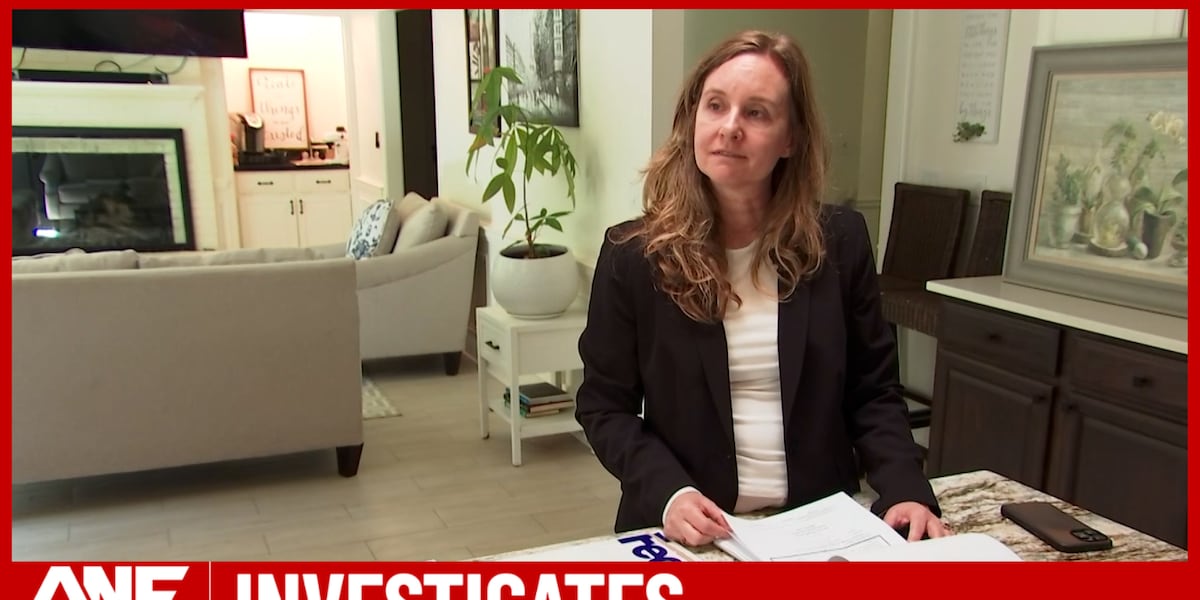
A Kennesaw homeowner’s nightmare unfolded when she discovered someone had filed a fraudulent insurance claim for fire damage on her property, triggering a prolonged struggle to clear her record and prevent increased insurance premiums.
The incident began in March when Renee Arbogast, who had completed extensive home renovations two years earlier, learned that her husband had received an alert about an insurance claim for fire damage at their home.
“My initial thought was, is there a fire?” Arbogast recalled. “I asked, where are you? And he said, ‘I’m at the house. There’s nothing here.'”
The couple quickly realized there had been no fire at all. For weeks, Arbogast repeatedly contacted her insurance company, urging them to investigate the claim as fraud. According to her, the insurer never dispatched an adjuster to verify whether a fire had actually occurred at the property.
The Georgia Office of Commissioner of Insurance and Safety Fire launched an investigation, discovering that Arbogast’s insurance provider “did not confirm the property owner’s name” when accepting the claim. Investigators concluded that “if this information had been verified, a claim would not have been initiated.”
Unfortunately, by that point, the false claim had already been recorded in the Comprehensive Loss Underwriting Exchange (C.L.U.E.), a nationwide database accessible to virtually all insurance companies in the United States.
The C.L.U.E. system stores information whenever consumers start insurance claims, are denied coverage, or receive claim payments. These reports remain active for up to seven years, and inaccurate or fraudulent entries can significantly impact insurance premiums.
“You could wind up paying hundreds or even thousands of dollars more in premiums unfairly,” explained Michael DeLong, an advocacy associate with the Consumer Federation of America.
The consumer watchdog organization notes that the frequency of flawed C.L.U.E. reports remains unclear because the insurance industry restricts access to this information, sharing it only with other insurance companies.
The problem isn’t new. In 2003, California’s former insurance commissioner highlighted errors in the database after his own consumer services chief was denied homeowners insurance five times due to multiple inaccuracies in his record.
“Insurance companies have a fairly long history of treating consumers poorly,” DeLong said. “If there is a mistake that is against the consumer, they may not make fixing that a high priority.”
After months of persistent advocacy, Arbogast finally succeeded in having her insurance company remove the false fire claim from the C.L.U.E. database. She decided to share her experience publicly to raise awareness about a situation most homeowners don’t know could happen.
“Most people don’t have the resources,” Arbogast said. “For us to advocate in this way has cost us so many thousands of dollars alone. I want to protect other people from this happening.”
Insurance experts recommend that consumers regularly check their C.L.U.E. reports for accuracy. Under the Fair Credit Reporting Act, individuals are entitled to a free copy of their report annually. Homeowners can request one through the LexisNexis consumer center online or by calling 866-312-8076. Prospective homebuyers interested in a property’s claim history should note that only the current owner can request the report.
If errors are discovered, consumers can contact the LexisNexis Consumer Center at 888-497-0011. The company will verify information with the reporting insurance company and provide results within 30 days. Consumers can also add explanatory notes to report entries.
Georgia residents experiencing similar issues can file complaints through the state’s insurance and fire safety office via their consumer complaint portal or by downloading and mailing a form.
The case highlights the importance of vigilance regarding insurance records and the potential financial consequences of uncorrected errors in industry databases. Consumer advocates recommend regular monitoring of these records, much like checking credit reports, to prevent unexpected premium increases based on inaccurate information.
Fact Checker
Verify the accuracy of this article using The Disinformation Commission analysis and real-time sources.

12 Comments
Clearing one’s name after a false insurance claim can be a real hassle. The homeowner must be relieved that the authorities are taking this seriously and uncovering the truth. Hopefully, this experience will lead to improvements in the claims verification process.
It’s good to see the state insurance commissioner taking this case seriously and investigating the fraudulent claim. Homeowners shouldn’t have to go through the hassle of clearing their name after an incident like this. Proper verification is key to preventing these issues.
Fraudulent insurance claims are a serious problem that can have major consequences for innocent homeowners. I’m glad the authorities are investigating this case thoroughly and working to set the record straight. Proper verification is key to preventing such issues.
Absolutely, the insurance company really dropped the ball here by not verifying the details of the claim. They need to tighten up their processes to avoid these kinds of situations in the future.
It’s frustrating that the insurance company didn’t properly verify the claim before accepting it. They should have a robust process to validate claims and prevent fraud. Glad to see the state insurance commissioner is looking into this case.
This is a prime example of why strong fraud prevention measures are so important in the insurance industry. The homeowner shouldn’t have to deal with the aftermath of a fraudulent claim that wasn’t properly verified. Glad the authorities are looking into it.
Interesting case – it’s good to see the authorities taking action to uncover the truth and protect the homeowner. Proper verification of insurance claims is crucial to prevent fraud and the negative impact it can have on innocent people.
Definitely. The insurance company really dropped the ball here by not doing their due diligence. Hopefully this leads to improvements in their claims validation processes.
This is a concerning situation – no homeowner should have to deal with fraudulent insurance claims on their property. It’s good that the authorities are investigating and hopefully they can get to the bottom of what happened and clear the homeowner’s record.
Wow, what a nightmare scenario for the homeowner. No one should have to deal with the fallout of a fraudulent insurance claim on their property. Kudos to the authorities for uncovering the truth and hopefully this leads to improvements in the claims validation process.
Shoddy claims verification by the insurance company is really the root cause here. They need to tighten up their processes to avoid these kinds of problems in the future. Kudos to the homeowner for persistently fighting to clear their record.
What a frustrating situation for the homeowner. No one should have to go through the hassle of clearing their name after a fraudulent insurance claim. Kudos to the state insurance commissioner for taking this seriously and investigating the matter.