


Listen to the article
Argentine authorities have firmly rejected a series of false claims circulating online that attribute the devastating wildfires in Patagonia to either Israeli tourists or indigenous Mapuche communities. Officials emphasized there is no evidence supporting these accusations, which have spread rapidly on social media platforms in recent days.
Prosecutors in Argentina’s southern Chubut province have indicated that while the fires appear to have been caused by human activity, investigators have yet to identify any suspects or establish clear motives behind the blazes that have scorched significant portions of the scenic region.
The unfounded allegations emerged shortly after authorities announced preliminary findings about human involvement in the fire’s origin. Social media posts began circulating unverified claims that Israeli tourists — falsely characterized as soldiers — or members of the indigenous Mapuche community had deliberately set the fires.
Local media outlet Ahora Calafate conducted an investigation into these claims, determining that videos being shared as “evidence” were actually recorded far from the affected areas and show ordinary campfires unrelated to the wildfires. Their report concluded that none of the material circulating online provides any substantiation for the accusations being made.
“These kinds of baseless accusations follow familiar patterns of conspiracy theories that target minority communities during times of crisis,” said a spokesperson from Argentina’s Emergency Management Agency. “Such misinformation not only inflames social tensions but diverts critical resources from firefighting efforts and proper investigation.”
The Argentine Jewish community has responded strongly to the allegations, with the DAIA (Delegation of Argentine Jewish Associations) condemning the rumors as “clearly antisemitic in nature” and part of a troubling pattern of scapegoating. Similarly, representatives from Mapuche organizations have expressed frustration at being targeted without evidence, noting that their communities have historically been stewards of the land and are themselves affected by the fires.
Environmental experts point out that Patagonia has experienced increasingly severe fire seasons in recent years, a trend consistent with climate change effects seen in similar regions worldwide. The area’s dry conditions, combined with strong winds, create prime conditions for wildfires regardless of their ignition source.
Provincial authorities have urged the public to rely exclusively on official information channels during the ongoing emergency. “Spreading unverified accusations doesn’t help anyone,” said the Chubut province’s security minister. “It hampers investigation efforts and creates unnecessary divisions at a time when our communities need to work together.”
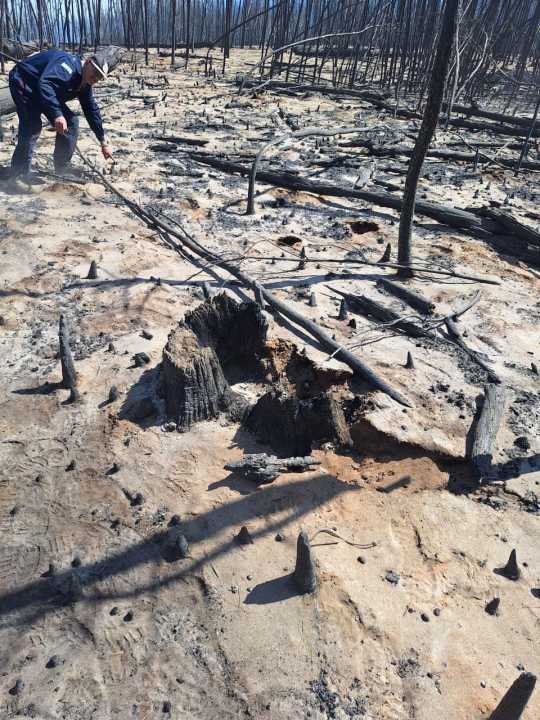
The wildfires have already consumed thousands of hectares of forest and scrubland in the picturesque region known for its stunning landscapes and tourism industry. Hundreds of firefighters, supported by aircraft and specialized equipment, continue battling the blazes while evacuation orders remain in effect for several communities.
Law enforcement agencies have established a special task force to investigate the fires’ origins, working alongside fire experts to analyze burn patterns and collect evidence. Officials have asked anyone with legitimate information about the fires’ causes to contact authorities directly rather than sharing speculation online.
The phenomenon highlights growing concerns about the rapid spread of misinformation during crisis situations and the particular vulnerability of minority groups to being falsely blamed for disasters. Social media platforms have faced increasing pressure to address such content, though the challenges of moderating information during fast-moving emergencies remain significant.
Fact Checker
Verify the accuracy of this article using The Disinformation Commission analysis and real-time sources.

11 Comments
This is a cautionary tale about the dangers of misinformation, especially when it comes to sensitive environmental and political issues. I hope the investigators can quickly identify the true causes and put an end to the false claims.
As a mining industry observer, I’m curious to see if there are any impacts on mining operations or commodities in the affected regions. Wildfires can disrupt supply chains and infrastructure, so I’ll be monitoring developments closely.
Good point. Mining and energy companies with assets in the region will need to assess any damages and potential disruptions. Reliable information will be crucial for investors tracking this situation.
Interesting to see the false claims around the Argentine wildfires being debunked. It’s important we rely on official sources and verified information, not unsubstantiated social media posts. Looking forward to learning more about the actual causes as the investigation progresses.
Agreed, misinformation and conspiracy theories can spread rapidly online. I’m glad the authorities are thoroughly investigating the origins of these fires to determine the facts.
Proper attribution of blame is essential for addressing the root causes of environmental disasters like these wildfires. I’m glad the authorities are taking a measured, evidence-based approach rather than jumping to unsubstantiated conclusions.
Agreed. Responsible reporting and a focus on facts over rumors will be crucial as this story develops. Maintaining public trust should be a priority for all involved.
It’s concerning to see the false claims blaming Israelis and indigenous groups for these wildfires. Spreading unverified information can distract from the real issues and undermine public trust. I hope the investigation provides clarity on the true causes.
As an investor in mining and energy stocks, I’ll be watching this story closely. Disruptions to operations or supply chains in the affected regions could have ripple effects on commodity prices and company financials. Reliable data will be key.
Good point. Investors will need accurate, up-to-date information to assess the potential business impacts. Transparency from companies with assets in the area will be crucial.
The spread of misinformation around these wildfires is concerning. I hope the authorities can quickly identify the true causes and shut down the false claims before they gain more traction. Maintaining public trust is so important in a crisis like this.